
Fiscal Policy Office Reveals Indonesia's Economic Update: PMI Rises, Inflation Falls
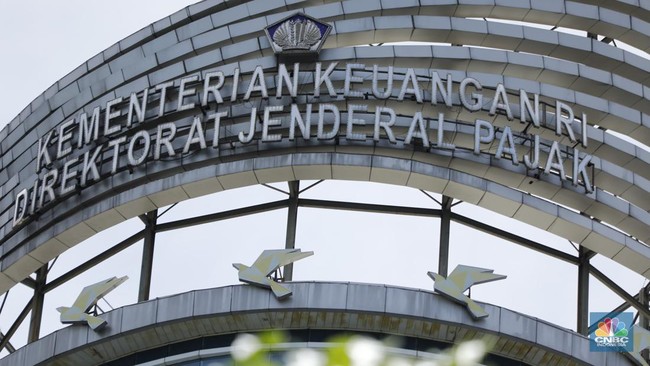
Indonesia’s manufacturing activity returned to an expansionary zone in July 2026 after contracting the previous month. At the same time, annual inflation eased, although the government remains wary of a potential trade deficit due to a surge in imports.
According to a release from the Ministry of Finance, the Indonesian Manufacturing Purchasing Managers’ Index (PMI) rose to 50.2 in July 2026 from 46.9 in June 2026. A figure above 50 indicates that manufacturing activity is in an expansion phase.
The improvement in manufacturing performance was supported by increased production and additional hiring to meet companies’ operational needs. However, the recovery in demand is considered to be occurring gradually, meaning the strengthening of the manufacturing sector still requires support from public purchasing power, improved industrial competitiveness, and sustained export demand.
Indonesia’s manufacturing performance is in line with improvements seen in several key trading partner countries. Manufacturing PMIs for July 2026 were recorded at 54.2 in Thailand, 54.5 in Japan, 53.8 in the United States, 52.9 in Vietnam, and 50.7 in Malaysia.
On the trade front, Indonesia’s exports in June 2026 grew 8.84 per cent year-on-year (yoy) to US$25.46 billion. The increase was mainly driven by non-oil and gas exports, particularly coal and crude palm oil (CPO) along with its derivatives.
However, imports grew at a much faster pace of 34.27 per cent yoy to US$25.91 billion. The rise in imports was primarily from the non-oil and gas sector, with the largest increases seen in raw materials, auxiliary materials, and capital goods.
As a result, Indonesia’s trade balance recorded a slight deficit of US$450 million in June 2026. Nevertheless, the cumulative trade balance for the January to June 2026 period remained in a surplus of US$3.58 billion.
“The trade deficit is a signal to continue monitoring the dynamics of global demand and import developments, especially world oil and gas prices,” stated the Directorate General of Economic and Fiscal Strategy (DJSEF) at the Ministry of Finance.
Meanwhile, inflationary pressures showed a downward trend. Inflation in July 2026 was recorded at 2.88 per cent yoy, down from 3.34 per cent in June 2026. The decline in inflation was mainly triggered by the easing of volatile food prices, which fell to 2.52 per cent yoy from 5.58 per cent, amid an abundant supply of horticultural harvests.
On the other hand, the DJSEF revealed that administered prices inflation slightly increased to 3.58 per cent yoy from 3.42 per cent the previous month. This increase was influenced by the transmission of non-subsidised fuel prices and air transport tariffs. Core inflation remained stable at 2.76 per cent yoy, reflecting maintained domestic demand despite pressures from rising global commodity prices and imported inflation on certain products, such as mobile phones and lubricants.
The DJSEF also noted that several domestic indicators continue to show solid economic conditions. Car sales grew by 32.9 per cent, while motorcycle sales increased by 1.1 per cent. Fuel consumption rose by 6.5 per cent, with retail and industrial fuel consumption growing by 8.0 per cent and 8.3 per cent, respectively. Domestic cement sales also grew by 13.5 per cent, while electricity sales increased by 10.8 per cent.
In terms of public sentiment, the Consumer Confidence Index (IKK) remained at an optimistic level of 117.8. This figure was supported by the Current Economic Condition Index (IKE) of 109.2 and the Consumer Expectation Index (IEK) of 126.4.
“The government affirms it will continue to maintain macroeconomic stability through responsive and measured policies,” the DJSEF wrote. Policy focus is directed towards controlling inflation, strengthening public purchasing power, enhancing the competitiveness of the manufacturing industry, and maintaining trade and investment performance amid persistently high global uncertainty.
Source: jawawa.id (https://jawawa.id/newsitem/fiscal-policy-office-reveals-indonesias-economic-update-pmi-rises-inflation-falls-1785808272)
Originally published by CNBC Indonesia (https://www.cnbcindonesia.com/news/20260804075426-4-756261/kantor-purbaya-beberkan-kabar-ekonomi-ri-pmi-naik-inflasi-turun), translated from Indonesian