
Fiscal and Monetary Policy Must Align to Face Fuel Price Pressures, Economist Says
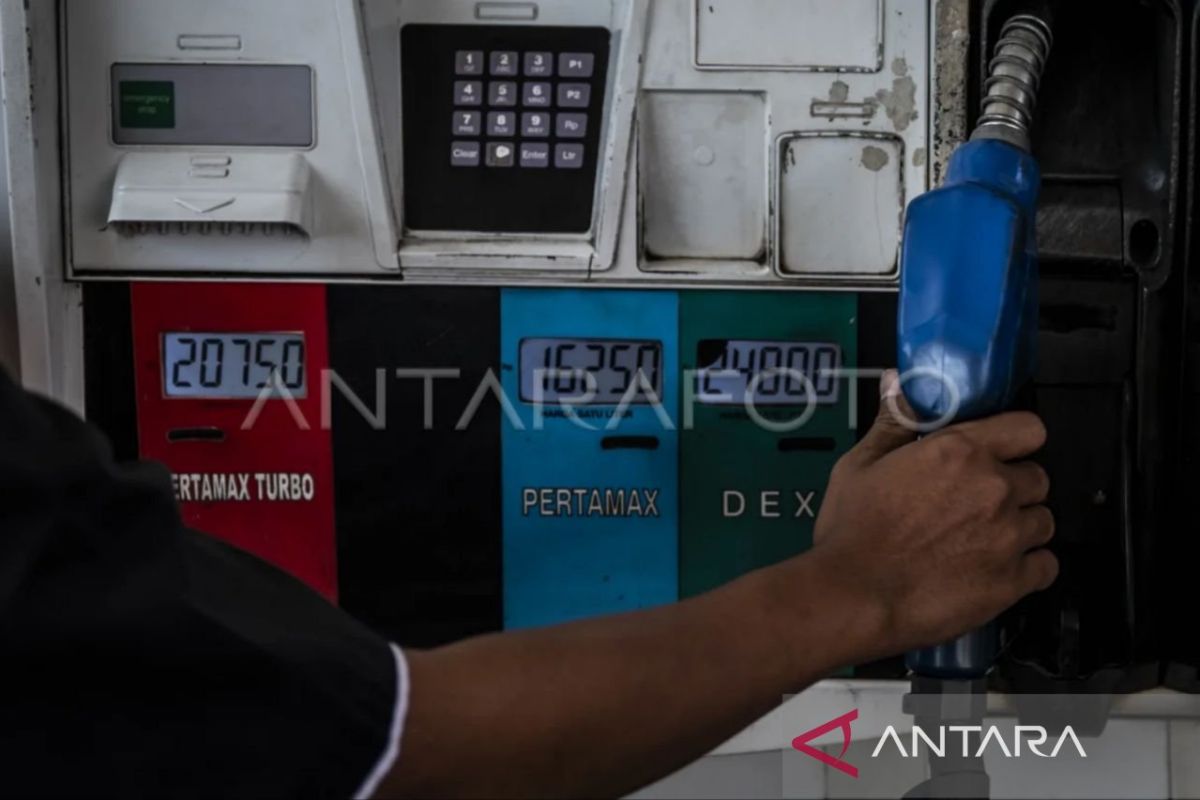
Jakarta (ANTARA) - Economist Yusuf Rendy Manilet from the Center of Reform on Economics (CORE) has highlighted the need for fiscal and monetary policies to work in harmony to address the economic pressures arising from the increase in non-subsidised fuel prices (BBM). Speaking on Friday, Manilet noted that one risk often overlooked from fuel price hikes is inflation expectations. In many cases, he explained, the behaviour of businesses and consumers is shaped by their perception of future price trends. “Therefore, fiscal and monetary policies must be aligned,” he stated. He argued that Bank Indonesia (BI) needs to keep inflation expectations anchored without resorting to excessive tightening. Meanwhile, the government must ensure that any price adjustments are carried out in a measured manner and communicated effectively to avoid triggering market panic. He explained that rising fuel prices could increase logistics, distribution, and transportation costs, which would subsequently feed into food prices and other essential goods. At this point, low-income groups, including those who do not use non-subsidised fuel, become the most affected through higher daily commodity prices. “The policy focus should not be on protecting fuel buyers, but rather on protecting households impacted by the inflation resulting from these cost increases,” he added. According to Manilet, the most efficient instrument is well-targeted cash transfers to the lowest income deciles, as the assistance received will be channelled back into consumption. This not only preserves the purchasing power of vulnerable communities but also helps sustain household consumption, which is the main driver of economic growth. However, he stressed that the quality of beneficiary data is a decisive factor. Accurate targeting is not only a matter of fairness but also of efficiency in the use of the state budget. Beyond cash transfers, he said the government must pay significant attention to the supply side, particularly food. For low-income groups, the proportion of spending on food is much larger than on energy. This means stabilising food prices is often more effective in safeguarding their welfare than intervening in fuel prices themselves. “Smooth supply chains, stock availability, and control of key commodity prices must be prioritised. At the same time, transportation and distribution costs must be kept from soaring, as they are the main channel through which cost increases are passed on to consumer prices,” he said. Therefore, Manilet assessed that the ideal response to rising fuel prices is not a single policy. Well-targeted cash transfers, food price stabilisation, logistics cost control, and policy coordination to manage inflation expectations must all be implemented simultaneously. “All of this should be financed from subsidy savings so that fiscal reform delivers tangible benefits,” he concluded. As a note, starting 10 June 2026, the price of non-subsidised Pertamax (RON 92) rose from Rp12,300 to Rp16,250 per litre, and Pertamax Green 95 (RON 95) increased from Rp12,900 to Rp17,000 per litre. Meanwhile, the subsidised fuels Pertalite and Biosolar remain priced at Rp10,000 and Rp6,800 per litre, respectively.