
First Indonesian Festival in Chiba, Japan Draws Nearly 15,000 Visitors
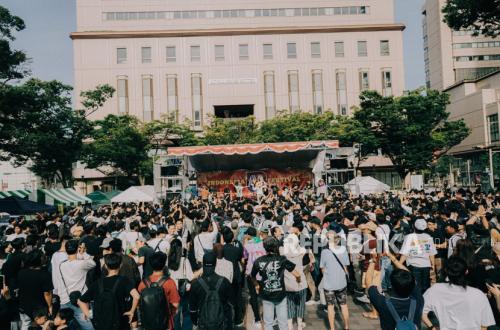
The Indonesian Festival in Chiba, organised by Maha-job.com, received an enthusiastic response from both Indonesian and Japanese communities. Over two days, nearly 15,000 visitors attended the festival area, far surpassing the organiser’s initial projection of around 5,000 attendees. Held at Chiba City Chuo Park, the event was the first Indonesian festival in Chiba and served as a meeting point for Indonesian and Japanese communities through arts, culture, music, cuisine, and various interactive activities.
Unlike events that showcase only one side of culture, the Indonesian Festival in Chiba presented arts and culture from both Indonesia and Japan in a single programme. The concept was designed to create closer interaction so that people from both countries could not only watch but also get to know each other and experience culture directly.
The spirit of strengthening Indonesia–Japan friendship was a key message at the festival’s opening. In his remarks, CEO of MFI Association Mahmudi Fukumoto expressed hope that the event would become a platform to strengthen Indonesia–Japan friendship through artistic and cultural exchange. The festival was also expected to provide a space for Indonesian citizens, particularly Indonesian migrant workers and the diaspora in Japan, to gather, socialise, and enjoy positive activities together.
According to Mahmudi, the presence of Indonesian communities in Japan is an important part of bilateral relations. Therefore, cultural festivals like this are expected to bring people together and strengthen a sense of togetherness amid diaspora life abroad.
The spirit was also supported by the Embassy of the Republic of Indonesia in Tokyo. In his remarks, Counsellor for Socio-Cultural Affairs at the Indonesian Embassy in Tokyo, Iqbal Mohammad Amrullah, said the event was part of celebrating the friendship between Indonesia and Japan. He encouraged Indonesian communities in Japan to maintain unity, solidarity, and harmony, and to see differences as shared wealth. According to him, Indonesia–Japan friendship is built not only through government-to-government relations but also through people-to-people ties.
The Indonesian Embassy in Tokyo also reminded attendees to always respect the rules and regulations in Japan. With the number of Indonesian citizens in Japan reaching 266,069 as of December, every individual carries Indonesia’s name in daily life in Japan. Therefore, Indonesian communities are expected to continue showing the best face of Indonesia through orderly behaviour, mutual respect, and respect for the environment and applicable rules. In his remarks, Iqbal also invited the community to remind each other if there are parties who do not comply with regulations.
The Indonesian Embassy in Tokyo also expressed appreciation to Mahmudi Fukumoto and Maha-job.com for organising the festival, which was seen as providing a space for interaction and socialising for Indonesian and Japanese communities. Such activities are expected to become a bridge of friendship that brings people from both countries together directly.
The message about the importance of order and respect for rules was also in line with support from the Tokyo Metropolitan Police. In their remarks, the police expressed hope that Indonesian migrant workers in Japan would continue to comply with various regulations in Japan and maintain order in community life.
Meanwhile, Secretary-General of the Asian Productivity Organization, Dr Indra Pradana Singawinata, said that the essence of activities like the Indonesian Festival in Chiba is socialising, introducing culture, and providing opportunities for people to get to know each other. He also emphasised the importance of showcasing good culture, including a culture of orderliness and friendliness. According to him, all parties have a responsibility to look after each other so that the event can run smoothly and successfully.
These messages reinforced the purpose of the Indonesian Festival in Chiba as more than just entertainment. The festival is expected to become a meeting space that strengthens people-to-people relations, introduces culture, and encourages Indonesian communities in Japan to continue showing positive attitudes and respecting social life and regulations in Japan.
One of the festival’s main attractions was the diversity of performances. From Indonesia, visitors could enjoy various Nusantara arts, including Reog Ponorogo, traditional Indonesian dance, and other cultural performances. Meanwhile, Japanese culture also had a place in the festival through Taiko, Yosakoi, and traditional Japanese musical instruments.
The presence of both cultures in one festival created an atmosphere of cultural exchange, which was one of the main goals of the event. Visitors were not only able to watch performances but also had the opportunity to participate directly. During the Taiko session, Indonesian attendees were invited to try playing the traditional Japanese drums. The audience was also invited to join the Yosakoi dance, so the performance could be enjoyed as a shared experience rather than just a spectacle.
A similar approach was taken in the Reog performance. Interested visitors were given the chance to try riding the Reog directly under the supervision of the committee, who paid attention to safety and order. This interaction allowed visitors to directly experience part of a culture they might previously have only seen through performances.
Source: jawawa.id (https://jawawa.id/newsitem/first-indonesian-festival-in-chiba-japan-draws-nearly-15-000-visitors-1786870292)
Originally published by Republika (https://ameera.republika.co.id/berita/tjuq6q291/festival-indonesia-pertama-di-chiba-jepang-tarik-belasan-ribu-pengunjung), translated from Indonesian