
First in 30 Years, Kuwait's Oil Exports Hit Zero!
Geopolitical tensions in the Middle East are once again sparking concerns in the global energy market.
Kuwait reportedly exported no crude oil at all throughout April 2026. This marks the first time in more than three decades that the major OPEC exporter has recorded zero crude oil exports since the end of the 1991 Gulf War.
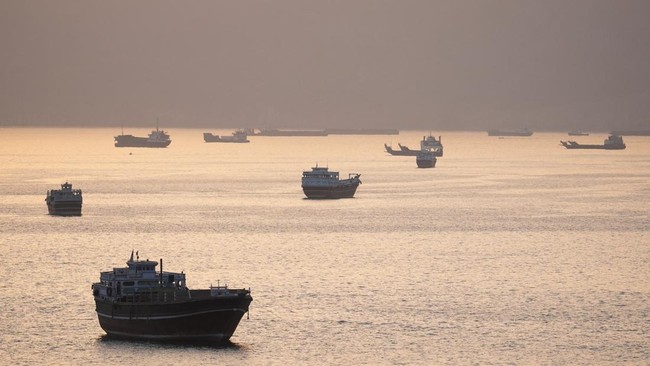
At the same time, escalating conflict around the Strait of Hormuz continues to heighten global market vigilance against risks of disruption to the world’s energy supply chain.
Kuwait Records Zero Oil Exports for the First Time in 30 Years
According to TankerTrackers reports, Kuwait sent no crude oil shipments during April. Yet the country has traditionally been one of the world’s main suppliers of crude oil, particularly to Asia and Europe.
Although Kuwait is said to still be producing oil, part of the output has been diverted to storage facilities and another portion processed into refined products. Some of these refined products are still recorded as being exported to international markets.
The disruption to Kuwait’s crude oil exports is suspected to be related to the situation in the Strait of Hormuz. Instability in the area has also impacted tanker activities.
Gulf States Begin to Worry about Strait of Hormuz Closure
Amid rising regional tensions, Qatar has urged Iran to reduce the escalation of conflict in the Middle East.
In an official statement from Qatar’s Ministry of Foreign Affairs, Prime Minister and Foreign Minister Sheikh Mohammed bin Abdulrahman bin Jassim Al-Thani held a telephone conversation with Iran’s Foreign Minister Abbas Araghchi.
Qatar emphasised that freedom of navigation in the Strait of Hormuz is a non-negotiable international principle. Closing the route or using it as a tool for political bargaining is seen as capable of worsening the crisis and disrupting vital interests of regional countries.
In addition to potentially disrupting global energy and food supplies, the situation is also feared to shake market stability and the world supply chain. Therefore, Qatar has called on all parties to comply with international law and the UN Charter, prioritising regional stability.
US Tightens Pressure on Iran, Diplomacy Still Open
Meanwhile, the United States is increasing maritime operations in the Persian Gulf region. US Central Command (CENTCOM) stated that 48 vessels have been redeployed in the last 20 days as part of enforcing restrictions on Iranian maritime assets.
The USS New Orleans warship has also been reported operating in the Arabian Sea on a mission linked to blockading Iranian ports. This move adds to market concerns over the potential for global oil distribution disruptions.
Although military pressure is intensifying, Iran remains open to diplomacy. Iran’s Deputy Foreign Minister Kazem Gharibabadi said Tehran’s latest diplomatic proposal to the United States has been conveyed through Pakistan.
Iran has also affirmed its readiness to pursue diplomatic channels or face military aggression. This situation keeps global market players monitoring developments in the Middle East, as they could impact oil prices, inflation, and world trade stability.