
Fires in Purwakarta Increase During July 2026, Mostly Dry Land
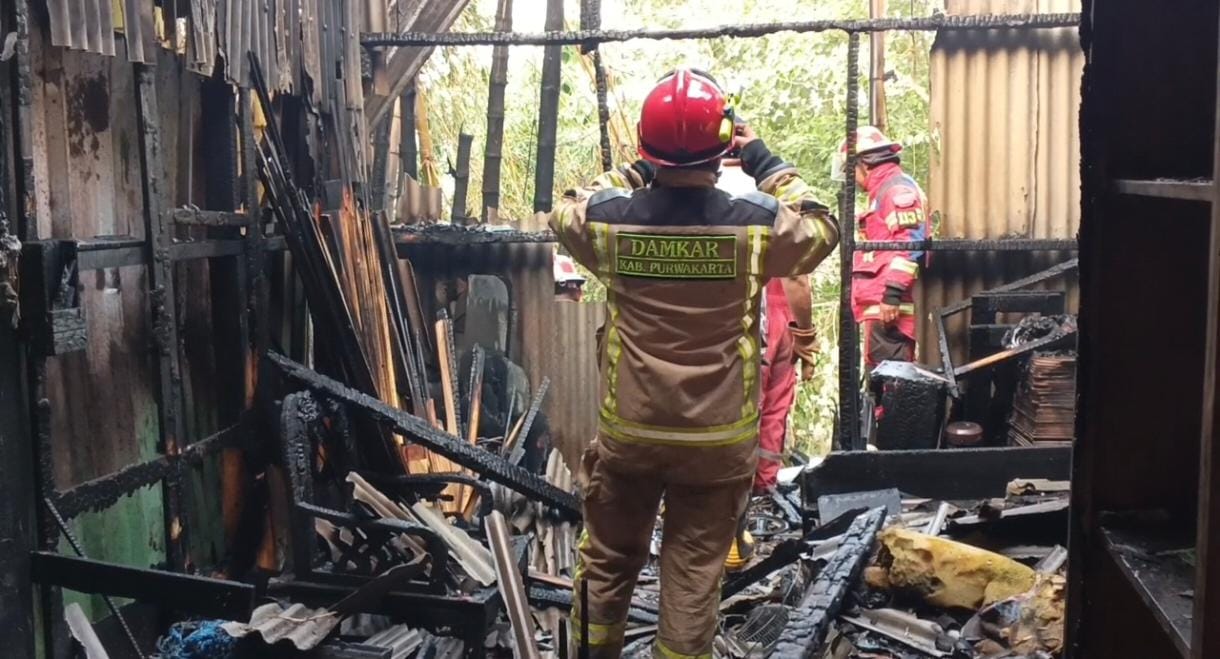
The Purwakarta Regency Fire and Rescue Service has reported a significant increase in fire incidents as the region enters the peak of the dry season. Throughout July 2026, a total of 75 fire incidents were recorded across the area, with the majority of affected objects being dry grass and vacant land.
Head of the Purwakarta Regency Fire and Rescue Service, Juddy Herdiana, stated that the total number of fire incidents from January to July 2026 has reached 147 cases. A sharp surge occurred in July, when more than half of this year’s total incidents were concentrated in that single month.
“Of these 147 fire incidents, after we compiled the data, 75 incidents occurred in July with the majority of objects being dry grass,” said Juddy Herdiana on Monday (24/8).
According to Juddy, the drying condition of land due to minimal rainfall has made vegetation such as dry grass and weeds highly flammable. However, he emphasised that natural factors are not the only cause. Human activity and negligence are the main triggers that have worsened the situation.
Several careless actions that frequently spark fires include burning rubbish, discarding cigarette butts carelessly, and other activities involving open flames near dry vegetation.
This heightened alertness has become a serious concern for local authorities, especially following a major fire that struck PT Iluva Gravure Industri in Cipopo Village, Bungursari District, some time ago. The incident, which engulfed the factory area, required strenuous efforts from firefighters until the cooling process was completed.
Despite the increased frequency of fires, Juddy confirmed that to date there have been no reports of fatalities or injuries. “There have been no fatalities, thank God. As for injuries, we have also not received any reports related to these incidents to this day,” he added.
The Purwakarta Regency Government has urged the public to be more careful and to avoid activities that could potentially spark fires, both in residential areas and around dry vacant land, in order to prevent greater losses during the ongoing dry season.