
Fire does not wait for negligence
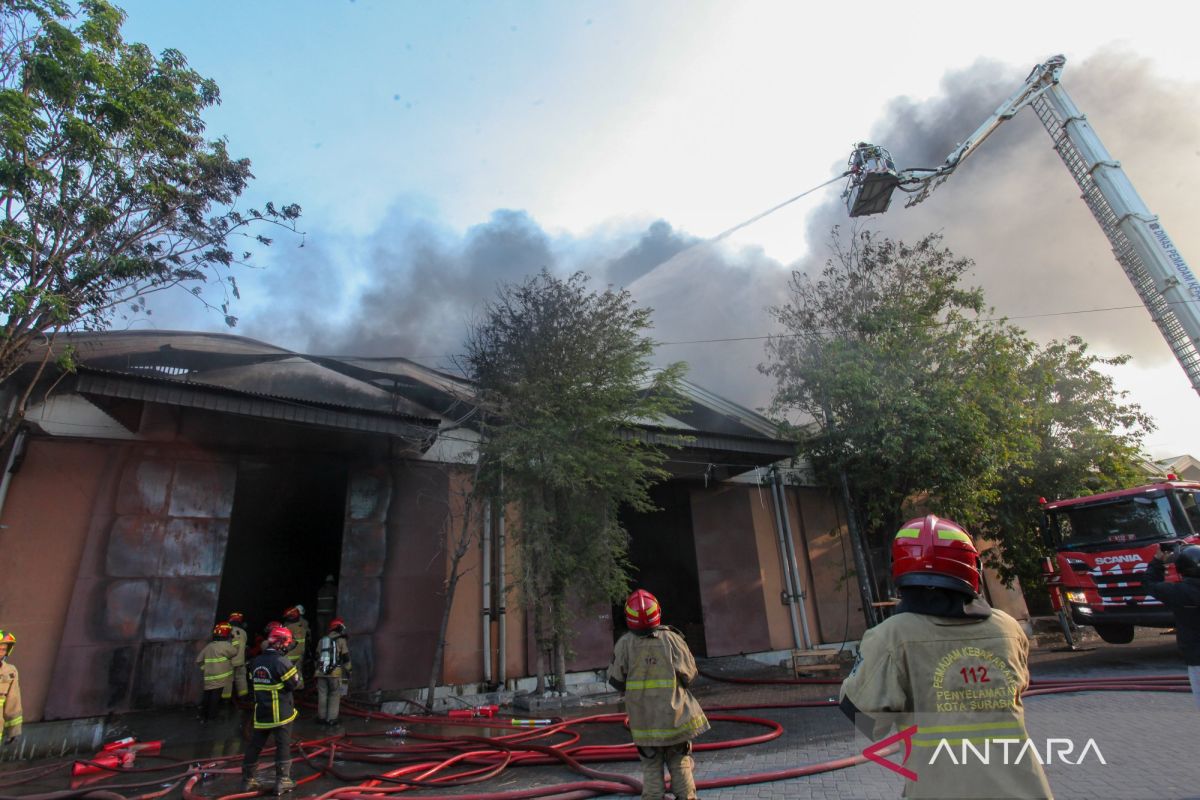
The speed of the government’s response must go hand in hand with the speed of the citizens’ response. A difference of just a few minutes can determine whether a fire is contained within a single room or spreads to other buildings.
Surabaya (ANTARA) - Fire almost always begins from something that appears small. A single spark, heat that escapes supervision, or flammable materials meeting an ignition source can turn into a major problem if not immediately identified and controlled.
In urban areas, this risk becomes increasingly complex because living spaces, economic activities, electrical networks, and residential settlements are in close proximity. The city of Surabaya, East Java, faces similar risks. Fires can originate from dry grass in vacant lots, cigarette butts on roadsides, electrical short circuits, unattended stoves, or the use of electronic devices without supervision.
When a fire grows, it is no longer just a matter of citizen vigilance, but the entire city emergency system. Reports must be received immediately, locations must be confirmed, road access must be cleared, personnel must move, and resources must be dispatched in a short timeframe.
Therefore, fire prevention should not be understood merely as an appeal for the public to be careful. Prevention is a part of urban governance that brings together citizen behaviour, environmental conditions, residential readiness, technology, and emergency service capacity.
Latest data from the Surabaya City Government shows that this issue is not insignificant. In August 2026, 55 emergency incidents were recorded, dominated by reed fires around residential areas and open land. This figure is an increase compared to the 31 incidents recorded in August 2025.
By mid-September 2026, reed fires were reported to occur almost daily, with at least 21 incidents. Cumulatively, throughout 2025, 271 emergency incidents were recorded. Meanwhile, up to mid-September 2026, the number has already reached 232 incidents.
These figures should be read carefully, as the emergency category does not consist entirely of fire incidents. However, the data still provides an overview of the pressure on the city’s emergency handling system, especially when entering a drier period.
Consequently, fire data should not merely serve as a record of the number of incidents. Data must be used to identify patterns, locations, causes, timing, and the vulnerability level of an area. From there, preventive measures can be more precisely directed before fires reappear.
Dry conditions make flammable materials increasingly vulnerable. Grass and reeds in open land can become initial sources of fire, especially when located near residential areas. Therefore, prohibitions on burning rubbish, bushes, or discarding cigarette butts carelessly are part of the efforts to reduce ignition sources.
However, prevention needs to go further than mere appeals. Vacant lots, undeveloped land, bushy areas, and open spaces around residential settlements need to be mapped as regions requiring extra attention during the dry season.