
Finding Small Joys When Wallets Thin
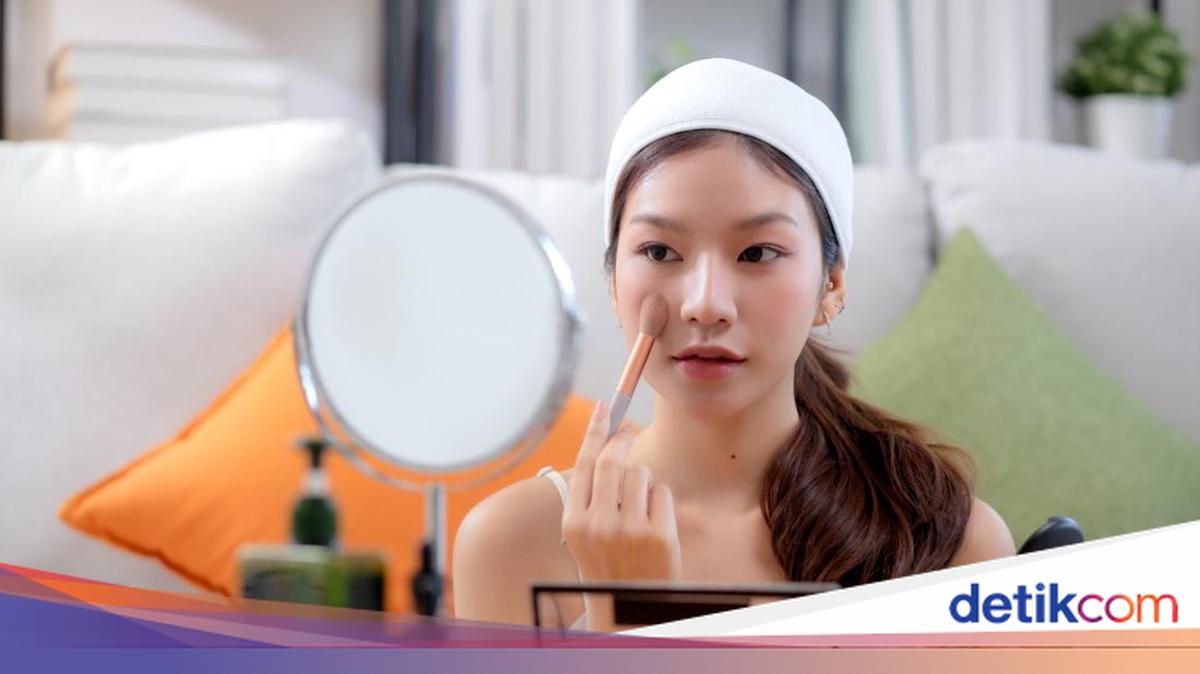
At nine o’clock in the evening, in a three-by-four-metre rented room in Bekasi, a bright white light shines in front of a small mirror haphazardly attached to the wall. Beneath it, bottles of skincare are lined up, from toner, serum, and moisturiser to sunscreen. Some are nearly empty, others are still full, and a few were only opened last week.
Nadya Safitri, an operational administrator at a logistics company, sits cross-legged on the floor, gently wiping her face with cotton. Her salary has barely changed over the past three years. The price of daily necessities, she says, has continued to creep upwards, from buying vegetables at the market to daily meal costs. Yet, amidst these conditions, small habits like purchasing skincare products remain a ritual, seemingly the only way for Nadya to feel alright.
“When I’m really exhausted from work or worrying about money, I still want to take care of myself. It’s like… well, this is the one thing that makes me happy and that I can control,” the 27-year-old told detikX. “Sometimes I realise this isn’t really a necessity. But if I don’t buy it, I feel even more stressed.”
Nadya is not the type to frequently buy expensive items. She rarely goes on distant holidays, let alone shops for branded bags or shoes. But almost every month, one or two new beauty products always end up in her yellow shopping basket. She usually engages in this small shopping routine after seeing reviews on TikTok or recommendations from friends.
She admits to often buying skincare even before the previous product runs out. Not because she has excess money, but because of the urge to try something new that feels “momentarily pleasant”.
“Skincare like a face moisturiser, for example, even if it’s not finished, I already want to try another one. It’s like wanting to find one that’s more suitable, even though it might be the same,” she told detikX.
Every morning before leaving for the office, Nadya always makes time to apply light make-up, even if it is just powder, eyebrows, and a swipe of lipstick to “liven up” her face. But it is precisely from this simple habit that her shopping impulse emerges. She admits to often checking out lipsticks in various colours, not because they are finished, but because she is bored.
Not infrequently, one lipstick has not even been used up before it is replaced by a new one, eventually piling up and expiring. Ever-changing colour trends and new products constantly emerging make it difficult for her to resist trying them. In a month, her spending on lipstick and skincare can reach Rp100,000 to Rp200,000, a figure that is actually quite significant for someone whose salary is still not far from the regional minimum wage, while Nadya still has to pay rent and regularly send money to her parents.
“Sometimes I buy not because I need it, but because I just want to. Especially if I see a new colour or it’s trending, I feel like I want to have it too,” she said.
The phenomenon experienced by Nadya is not an isolated story. Amidst economic pressures, including the weakening rupiah and increasingly strained purchasing power, many people are still spending money on small things that bring joy.
This pattern is known as the lipstick effect, the tendency for society to switch from large purchases to “small luxuries” when financial conditions worsen. Instead of stopping consumption entirely, people opt for more affordable forms like coffee, skincare, or viral foods as a form of escape and consolation.
In a crisis situation, people tend to keep buying more affordable items that still provide a sense of luxury, rather than stopping shopping altogether. In other words, consumption does not disappear; it merely changes form into something smaller and “safer” for the wallet.
This concept did not emerge suddenly. The initial idea had been observed for a long time, but it became popular in the early 2000s when Leonard Lauder of Estée Lauder saw lipstick sales actually rise after the 2001 crisis. He subsequently called it the “lipstick index”, a kind of sign that when the economy is sluggish, people’s spending patterns shift, rather than stop.
Wikipedia also notes that a similar phenomenon was even said to have occurred since the Great Depression, when cosmetic sales remained high amidst a major crisis. Over time, the meaning of this term has broadened, no longer solely about lipstick, but reflecting the habit of people who continue to seek small escapes, whether through food, drinks, or simple entertainment, as a way to survive emotionally amidst an uncertain economic situation.
Bhima Yudhistira, Executive Director of the Center of Economic and Law Studies (CELIOS), views this phenomenon as a signal that is not entirely positive for the economy.
“The lipstick effect is, in fact, a rather poor indicator for the overall sector. For the cosmetics industry, it is an opportunity. But for other sectors, if people are buying cosmetics impulsively, it means they are reducing purchases of other goods,” explained Bhima.
This change in consumption patterns, according to him, indicates a shift in priorities. The public is reducing large expenditures, such as recreation or travel, and replacing them with small purchases that provide instant gratification.
“When viewed economically, this signals that macro conditions are heading towards a slowdown,” he stated.
At a shopping centre in Supermal Karawaci, Tangerang, a small queue is visible in front of a bakery outlet. Behind the glass display case, rows of cakes appear neat. One of the most eye-catching is the Dubai chewy cookie, a cake with a simple appearance but a rather striking price of Rp65,000 per piece.
Among the queue, Henny