
Finding a route without splitting the city
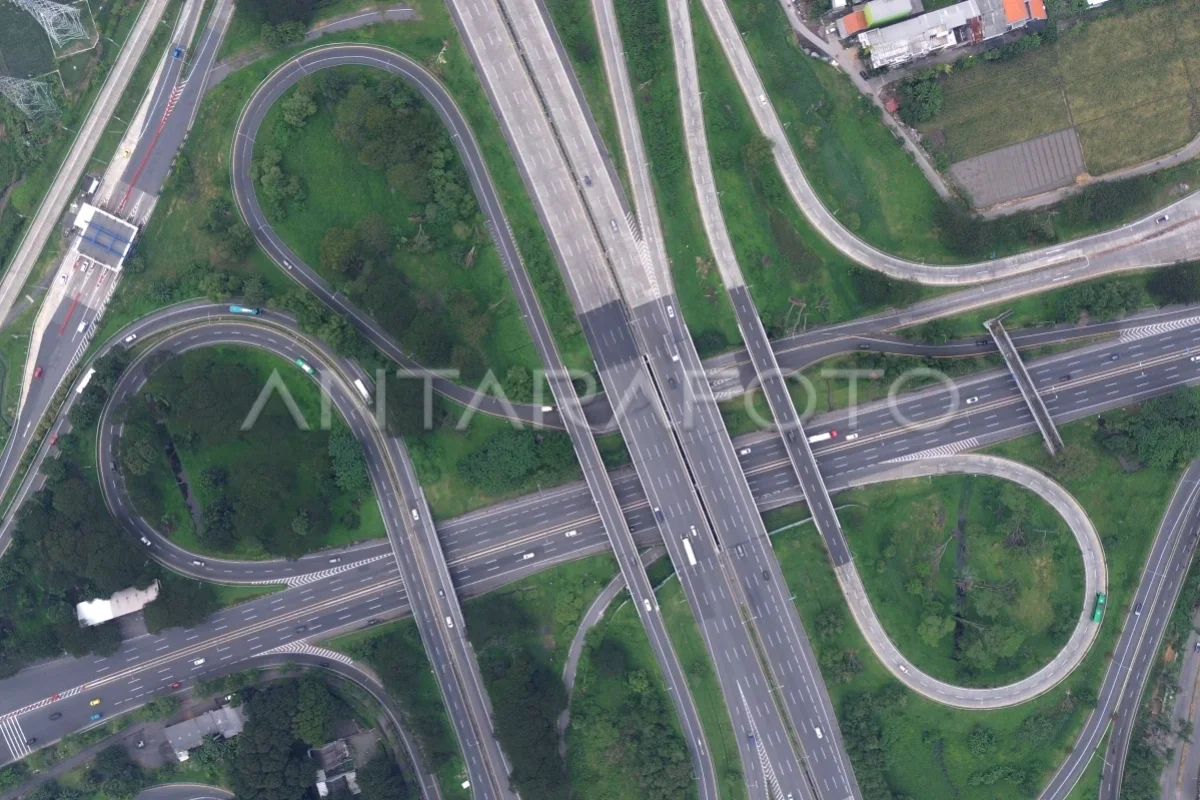
Toll roads are built to speed up travel. In an already congested city, the key question is not only how fast vehicles move, but where urban space is directed and who benefits from it.
That question has resurfaced in Surabaya, East Java. The inner-city toll road proposal, which has been a source of controversy for years, now has a new alternative. Deputy Speaker of the Surabaya Regional House of Representatives (DPRD) Arif Fathoni has proposed shifting the toll route from the central area to the eastern side of Surabaya.
The proposal does not entirely reject the need for a high-capacity road. The idea attempts to reconcile the need for connectivity to Tanjung Perak Port with the interest of preserving the city centre. On the eastern side, the toll road could be linked to the planned eastern outer ring road, or JLLT.
The proposal emerged while the inner-city toll road is still listed in spatial planning documents. Surabaya City Regional Regulation Number 3 of 2025 concerning the Surabaya City Spatial Plan 2025–2045 still includes the planned Waru–Wonokromo–Tanjung Perak toll road as well as the Juanda Airport–Tanjung Perak corridor.
However, both plans are indicative in nature and their implementation must take into account social, economic and environmental impacts. This means that the presence of the project in the regional spatial plan (RTRW) does not mean its physical construction must be carried out immediately.
Dense city
The inner-city toll road is not a new story. The Waru or Aloha–Wonokromo–Tanjung Perak plan has long been part of Surabaya’s transport planning.
A 2024 study by Gadjah Mada University noted a difference in stance between national and provincial level policies and the Surabaya City Government. The research also mentioned that the condition of the city centre as a trade and services hub, public opinion, alternative roads and public transport have all contributed to opposition to the plan.
The issue is fairly clear. The central area of Surabaya has developed as a space for trade, services, housing and various urban activities. Large-scale infrastructure does not merely add road capacity, but can also alter the spatial patterns around it.
Source: jawawa.id (https://jawawa.id/newsitem/finding-a-route-without-splitting-the-city-1788137520)
Originally published by Antara (Indonesian) (https://www.antaranews.com/berita/5718012/mencari-jalan-tanpa-membelah-kota), translated from Indonesian