
Financing for Companies with Forest Fire Risk Must Be Tightened
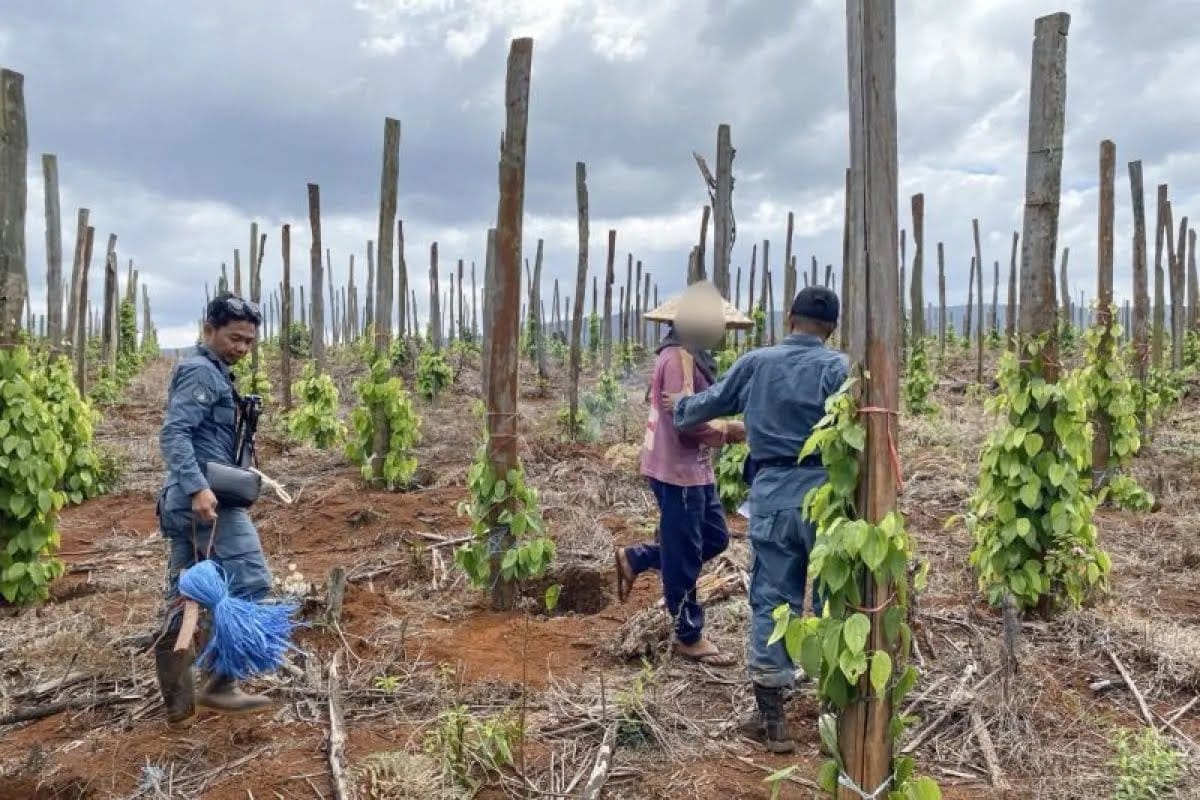
The Financial Services Authority (OJK) and the banking industry have been urged to strengthen supervision of financing for companies in the plantation and forestry sectors that carry forest and land fire (karhutla) risks. The call was made by House of Representatives Commission XI member Habib Idrus Salim Aljufri amid widespread forest and land fires across many parts of the country.
According to the Prosperous Justice Party (PKS) politician, a company’s environmental track record, including repeated fire incidents in concession areas, must become an important part of credit risk assessment and financing decisions.
“We must not allow the state budget to incur large costs to extinguish fires on one side, while on the other side financial institutions continue to provide financing without seriously taking into account the environmental track record of their debtors,” said Habib Idrus in a statement quoted on Tuesday (25/8).
He stressed that the prudential banking principle must not only measure a debtor’s financial capacity. Environmental risks that can cause economic, legal and reputational losses must also be adequately taken into account.
Therefore, the OJK needs to ensure that banks and financing institutions conduct thorough environmental checks before disbursing or extending credit to companies in the plantation and forestry sectors.
“The OJK needs to ensure that sustainable finance principles are truly applied in financing decisions, not merely as administrative reports. Companies whose concession areas have repeatedly caught fire must receive stricter financing evaluations,” Habib Idrus asserted.
He also asked the OJK to provide aggregate data on bank financing to the plantation and forestry sectors, including mitigation measures taken against high-risk debtors. According to him, transparency is needed so that the public can see the extent to which the financial services sector contributes to preventing environmental damage.
However, he said, tightening measures against problematic companies must not restrict access to financing for smallholder farmers and ordinary people. The government, together with the OJK and banks, needs to expand affordable credit for farmers who practise land clearing without burning, social forestry, land restoration, and environmentally friendly business activities.
“Financing must have a clear direction: stricter towards those who cause damage and easier for communities that protect the environment. Smallholder farmers who want to switch to land management without burning must receive technological support and access to capital,” he said.
Habib Idrus believes that sustainable financing policy must be able to create real incentives and disincentives. Responsible business actors should receive better access to financing, while companies that ignore environmental risks must face firm evaluations.
“The financial sector has great power to direct business behaviour. Therefore, banks must not merely be spectators in handling forest and land fires. Financing must become an instrument to protect the environment while also safeguarding the economy and society,” Habib Idrus concluded.