
Financial Planning Strategies Amid a Weakening Rupiah
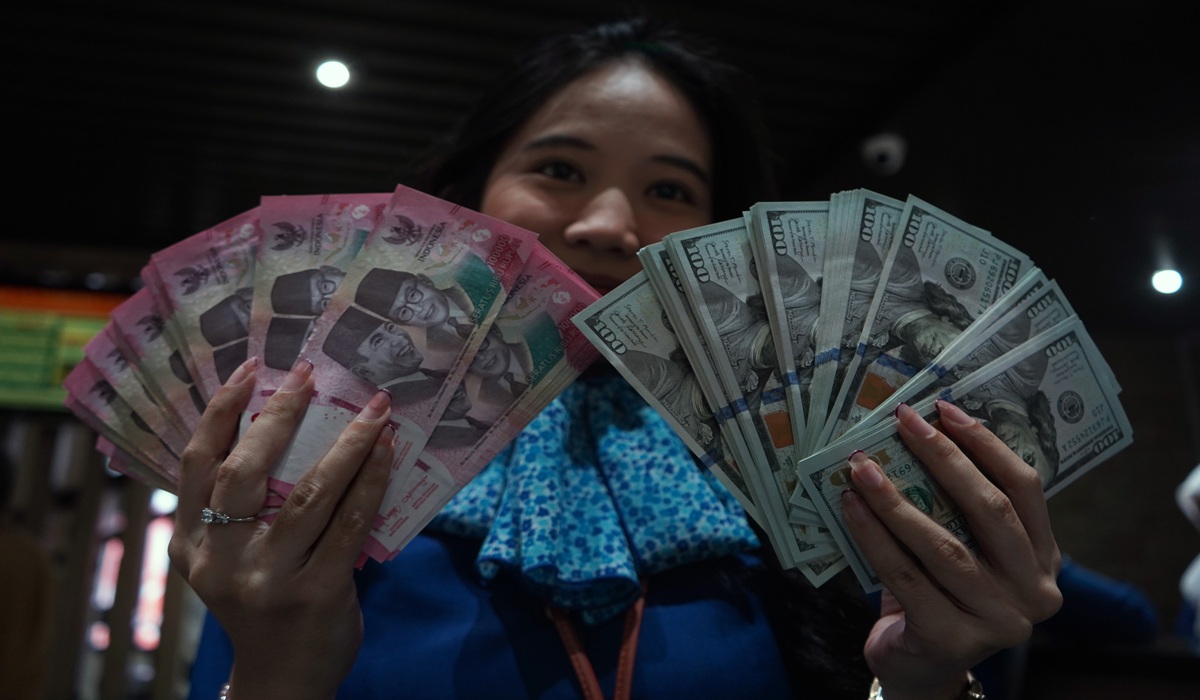
The current weakening of the Rupiah exchange rate requires the public to be more vigilant in managing household shopping baskets. The depreciation of the currency has the potential to trigger widespread price increases in goods and services, making financial discipline the primary key to safeguarding family needs.
Financial Planner from Finante.id, Rista Zwestika CFP, WMI, stressed that in a situation of economic uncertainty, the public must have a strict scale of priorities. According to her, careful financial management is the first line of defence against potential inflation caused by the currency depreciation.
“In a condition where the Rupiah exchange rate weakens and has the potential to push up the prices of a number of necessities, the public needs to be more disciplined in managing spending priorities,” Rista said when contacted on Monday (8/6/2026).
Rista explained that the first expenditure item that must be secured is basic needs. This includes daily consumption, transportation costs for productivity, children’s education, health services, and routine household bills such as electricity and water.
In addition to essential needs, timeliness in paying debt obligations or instalments is also crucial. Delaying payments amid difficult economic conditions will only add new financial burdens in the form of fines or ballooning interest.
Furthermore, Rista suggested that the public start strengthening emergency fund allocations. This fund serves as a “cushion” in the event of unexpected risks, such as a decrease in income or job loss due to macroeconomic impacts.
As a preventive measure, an evaluation of non-urgent consumer spending is highly recommended. Restraining oneself from spending on non-priority wants can help maintain the household budget balance.
“Consumer spending should be re-evaluated until conditions are more stable. This is necessary to prevent greater financial pressure in the future,” she concluded.