
Financial Planner Outlines Strategies to Manage Spending Amid Rupiah Weakening
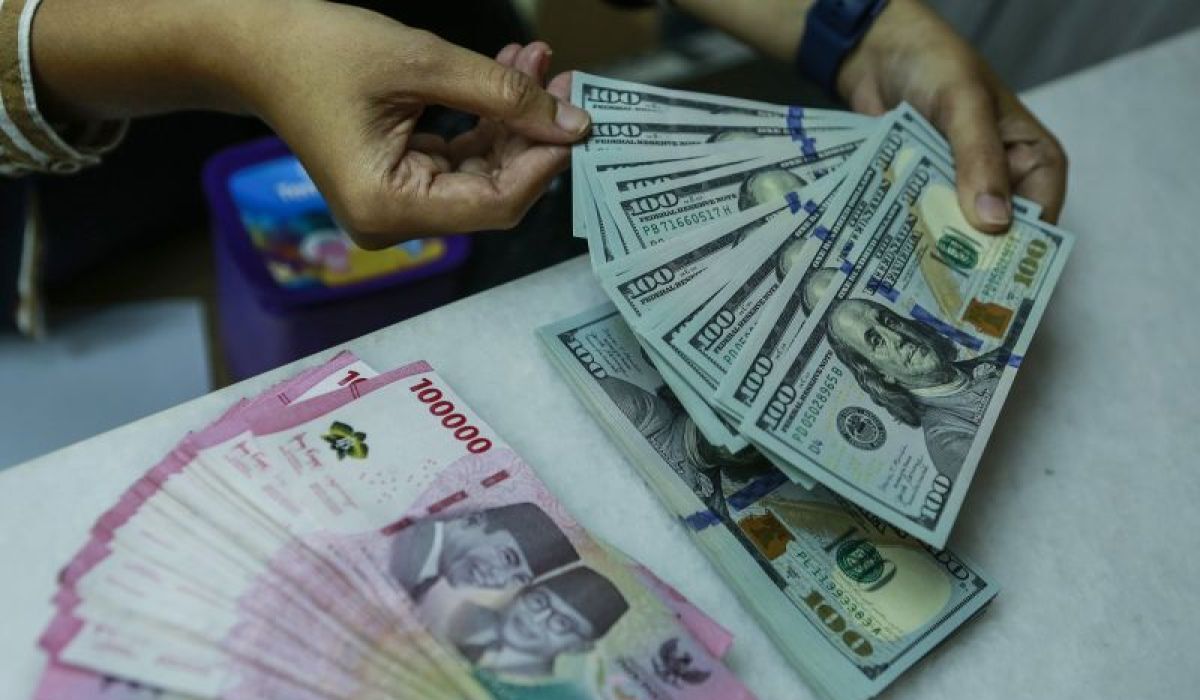
The weakening exchange rate of the Rupiah against foreign currencies often has a direct impact on the rising prices of goods and services within the country. Facing this situation, the public is required to be more careful in managing cash flow to ensure the economic stability of the family remains maintained.
Financial planner from the educational platform Finante.id, Rista Zwestika CFP, WMI, emphasises the importance of discipline in managing expenditure priorities. According to her, the decline in the Rupability exchange rate has the potential to trigger inflation, which could erode purchasing power if not addressed with the right financial strategy.
The first step in financial planning that must be taken is securing primary expenditure items. Rista suggests that fund allocation should be focused on meeting basic needs that cannot be postponed.
“In conditions where the Rupiah exchange rate is weakening, the public needs to be more disciplined in managing expenditure priorities,” Rista stated on Monday.
Expenditure items that must be maintained include debt obligations and instalments. For those with such obligations, Rista reminds individuals to always pay on time. This is crucial to avoid additional burdens in the form of interest or penalties, which would further exacerbate financial conditions amidst economic uncertainty.
Furthermore, it is necessary to re-evaluate non-urgent consumer spending until the economic conditions and the Rupiah exchange rate stabilise. In addition to managing routine expenses, preparing an emergency fund is a necessity. This fund serves as a financial buffer to face unexpected risks, such as a sudden drop in income or job loss.
Rista also suggests that the public conduct a thorough evaluation of their lifestyle. Expenses that are purely based on wants or are not urgent should be postponed for the time being.
“Evaluating expenditure is necessary to maintain the balance of the household budget and prevent greater financial pressure in the future,” she concluded.
By making financial strategy adjustments early, it is hoped that the public can continue to meet primary needs despite the fluctuations in the Rupiah exchange rate.