
Finance Ministry to Take Over Whoosh, Risking Fiscal Burden
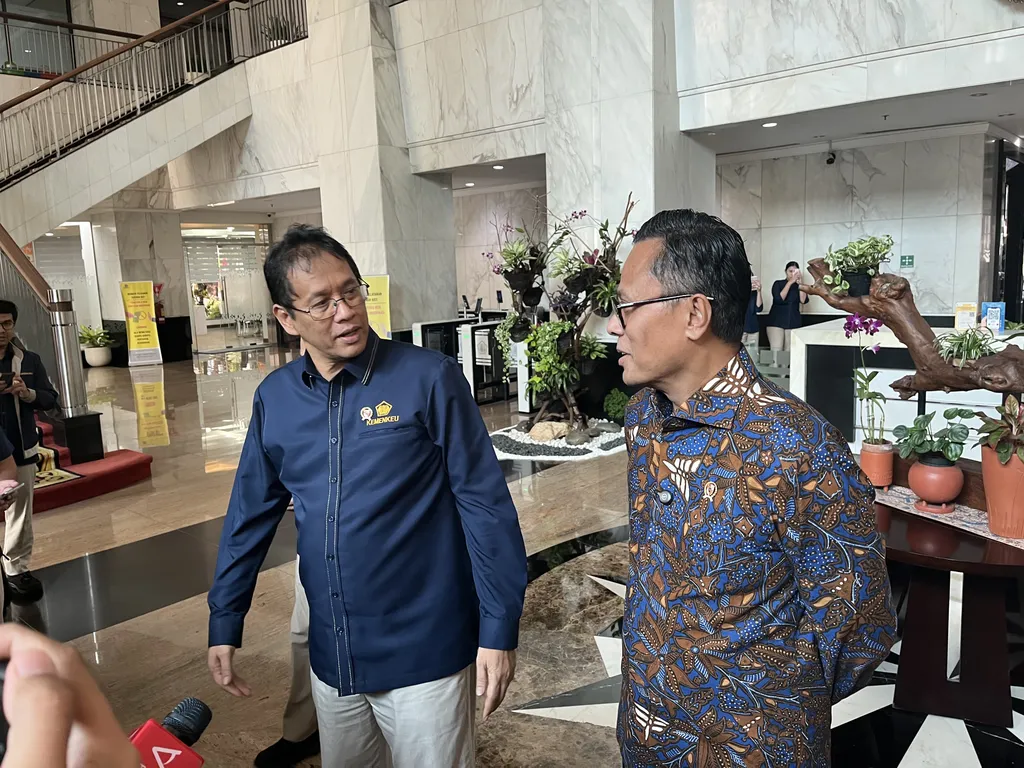
The management of Indonesia’s shares in the Jakarta-Bandung High-Speed Rail (Whoosh) project will be transferred from Danantara to the Ministry of Finance (Kemenkeu). The government is currently deliberating which special mission vehicle (SMV) will be appointed to manage the state-owned enterprise (BUMN) consortium’s shares in PT KCIC.
Minister of Finance Purbaya Yudhi Sadewa stated that the transfer, targeted for completion by mid-September 2026, does not mean the project’s financial obligations will directly burden the state budget (APBN). The government plans to place the ownership under one of the SMVs supervised by the Ministry of Finance.
Currently, 60 percent of KCIC’s shares are held by the Indonesian consortium PT Pilar Sinergi BUMN Indonesia (PSBI), which consists of PT Kereta Api Indonesia (Persero), PT Wijaya Karya (Persero) Tbk, PT Jasa Marga (Persero) Tbk, and PT Perkebunan Nusantara III (Persero). The remaining 40 percent is owned by Beijing Yawan HSR Co Ltd. Under the new scheme, the Indonesian ownership will be removed from PSBI and placed under a designated SMV.
Herry Gunawan, Director of NEXT Indonesia Center, described the transfer as a sign that Danantara has conceded the project’s risks are too great for the state-owned consortium, particularly for PT KAI. As of the first half of 2026, PSBI’s losses had reached Rp 5.13 trillion, exceeding the total losses of Rp 4.99 trillion recorded throughout 2025. KAI alone bore Rp 3.01 trillion of these losses, and PSBI’s equity has turned negative.
Gunawan warned that while the transfer relieves pressure on the state-owned enterprises, it creates new fiscal and governance risks. The government will need to provide capital to the appointed SMV and establish a sinking fund through the state budget to cover the project’s operational losses and debt obligations. He also stressed the need for a clear legal basis to allow a Ministry of Finance SMV to manage assets previously held by BUMNs under Danantara, noting that the issue has now shifted from a corporate matter to a serious fiscal policy concern.