
Finance Ministry Responds to Debate Over Tax on Sanitary Pads
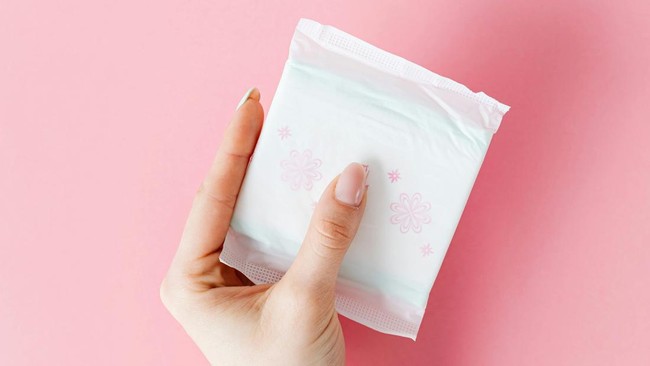
Jakarta, CNBC Indonesia — The Directorate General of Taxes (DJP) has responded to discussion on social media highlighting that sanitary pads are taxable goods subject to value-added tax (VAT).
Inge Diana Rismawanti, Director of Tax Education, Services and Public Relations at the Directorate General of Taxes, said consumer goods are taxable unless they fall into categories granted an exemption under applicable laws and regulations.
Sanitary pads sold in Indonesia are therefore subject to VAT when their sale meets the applicable tax requirements.
“We need to emphasise that VAT on sanitary pads is not a tax specifically imposed on women or on menstruation. Rather, it is part of the VAT system applied to the consumption of goods in accordance with tax regulations,” Inge told CNBC Indonesia on Thursday (29 October 2026).
Sanitary pads are not currently included among goods eligible for the exemption. Under the rules, VAT exemptions are granted only to specific categories of goods stipulated in legislation.
The government also recognises the importance of menstrual products for health and hygiene. Inge said any proposal concerning the tax treatment of these products would need to be assessed in light of applicable tax rules, its impact on the public and its fiscal implications.
In recent days, social media users have questioned why sanitary pads used during menstruation are subject to VAT, arguing that menstruation is a biological function rather than a lifestyle choice.
Users have also compared Indonesia’s position with Scotland, which became the first country in the world to provide free menstrual products to everyone.
Source: jawawa.id (https://jawawa.id/newsitem/finance-ministry-responds-to-debate-over-tax-on-sanitary-pads-1793267466)
Originally published by CNBC Indonesia (https://www.cnbcindonesia.com/news/20261029144019-4-780605/ramai-soal-pembalut-kena-pajak-kemenkeu-buka-suara), translated from Indonesian