
Finance Minister Purbaya Seeks to Add New Cigarette Excise Layer This Year
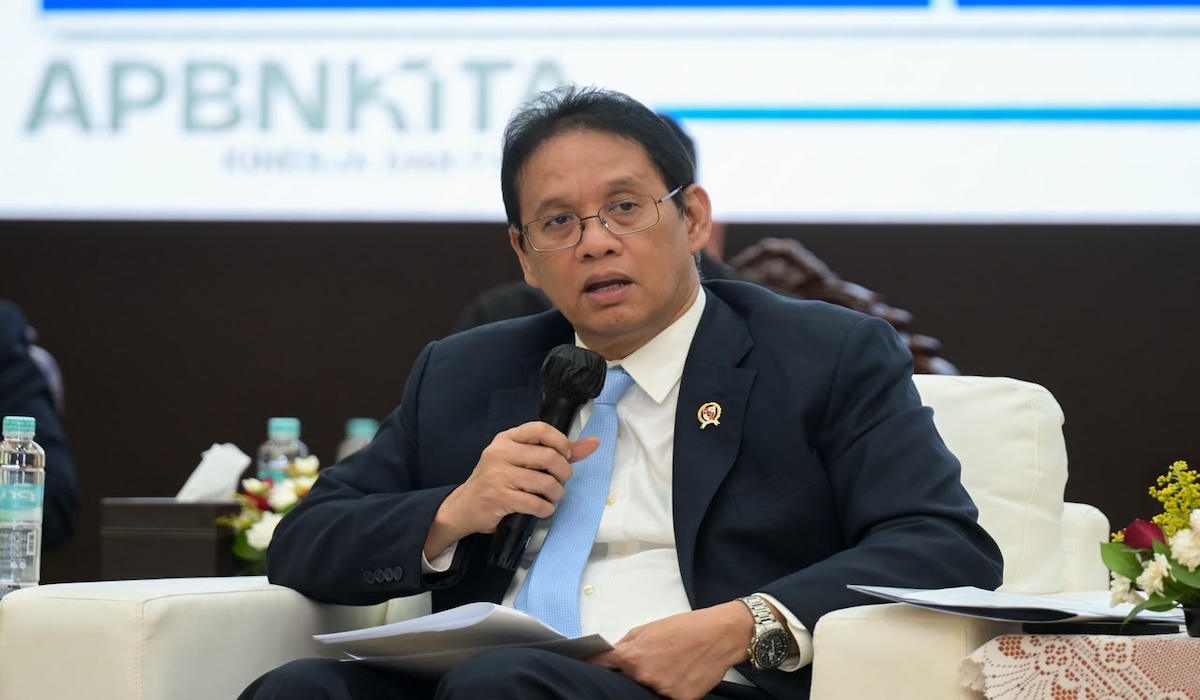
Finance Minister Purbaya Yudhi Sadewa is seeking to implement a new layer in the Tobacco Products Excise (CHT) tariff structure this year. The strategic move is now awaiting a discussion schedule with the Indonesian House of Representatives (DPR RI).
“For cigarette excise, we will try to implement it this year, after I speak with parliament. We have not yet met, we have not found the time. After 17 August, we will meet the DPR to confirm the CHT,” Purbaya said during a press conference on the 2027 State Budget Draft and Financial Note in Jakarta on Friday (14/8).
Purbaya explained that the additional excise layer policy is intended to draw the circulation of illegal cigarettes into the legal ecosystem. By entering the legal system, business operators are required to pay certain duties in accordance with applicable regulations.
The government also emphasised it will take firm action against cigarette industry players who refuse to transition to the legal system. Such enforcement includes the complete closure of illegal business distribution channels.
In the 2027 State Budget Draft, the government has set a customs and excise revenue target of Rp316.6 trillion. This figure represents a 1.2 per cent correction compared to the 2026 state budget projection of Rp320.6 trillion. Conversely, tax revenue is targeted to grow significantly by 12.1 per cent to Rp2,591.4 trillion. Overall, the total tax revenue target for 2027 is set at Rp2,908 trillion, an increase of 10.5 per cent from the previous year’s projection.
The Finance Minister explained that next year’s tax performance will be influenced by the 2027 economic projection, the sustainability of tax reform, and commodity price volatility. The main strategy will focus on strengthening technology, law enforcement, and international policy harmonisation. Furthermore, the government is committed to strengthening the digital economy taxation system and providing targeted incentives to support investment and the national downstream industry programme.