
Finance Minister Purbaya designs 2027 state budget deficit at 1.8–2.4 per cent of GDP
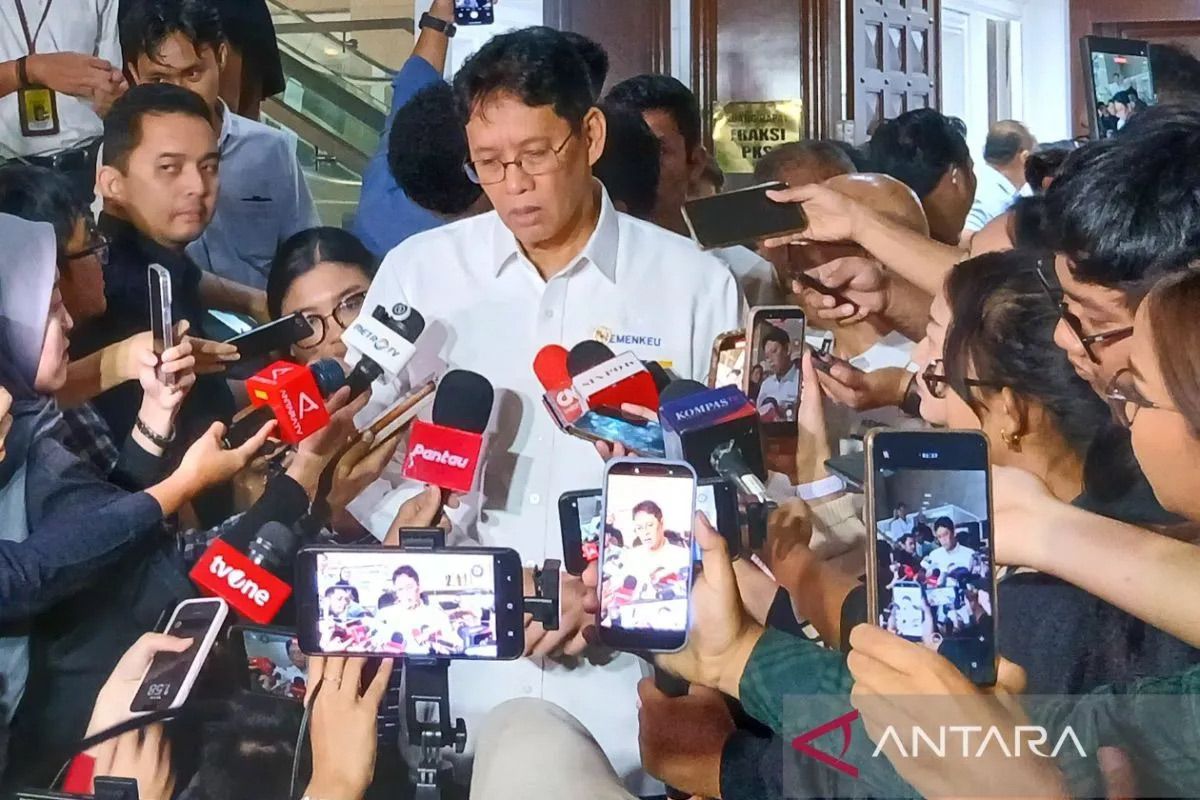
Finance Minister Purbaya Yudhi Sadewa is designing the 2027 State Budget (APBN) deficit within a range of 1.8 per cent to 2.4 per cent of gross domestic product (GDP). “The macro-fiscal posture for 2027 is designed collaboratively, in a directed and measurable manner, with a deficit of 1.8 to 2.4 per cent of GDP,” Purbaya stated during a DPR RI Plenary Session in Jakarta on Tuesday. The deficit range is supported by state revenue of 11.82 to 12.40 per cent of GDP and state expenditure of 13.62 to 14.80 per cent of GDP. To achieve the state revenue target, the Finance Minister explained that the government continues to pursue optimisation of state revenue, both through broadening the revenue base and improved management of natural resources. Revenue optimisation is realised through strengthening a taxation system that is adaptive to changes in the economic structure. Improvements in taxpayer compliance are carried out by utilising technology and big data analysis to strengthen supervisory effectiveness, broaden the tax base, and optimise state revenue potential sustainably. On the other hand, the government also continues to provide targeted, selective, and measured fiscal incentives to strategic sectors that have high added value for the economy. On the non-tax state revenue (PNBP) side, optimisation is pursued through strengthening natural resource-based receipts, enhancing transparent and accountable governance, and service innovation to improve the quality of public services. This effort is supported by stronger oversight and law enforcement, as well as optimising debt collection to maximise state revenue potential. Meanwhile, on the spending side, the government is committed to improving the quality of state expenditure through efficiency and refocusing efforts, so that budget allocations become more productive, better targeted, and capable of delivering tangible impacts on the economy and society. The government will also enhance the effectiveness of central and regional spending through strengthened synergy and harmonisation of central and regional expenditure.