
Finance Minister: PFII to Focus on Real Sector, Not Just Finance
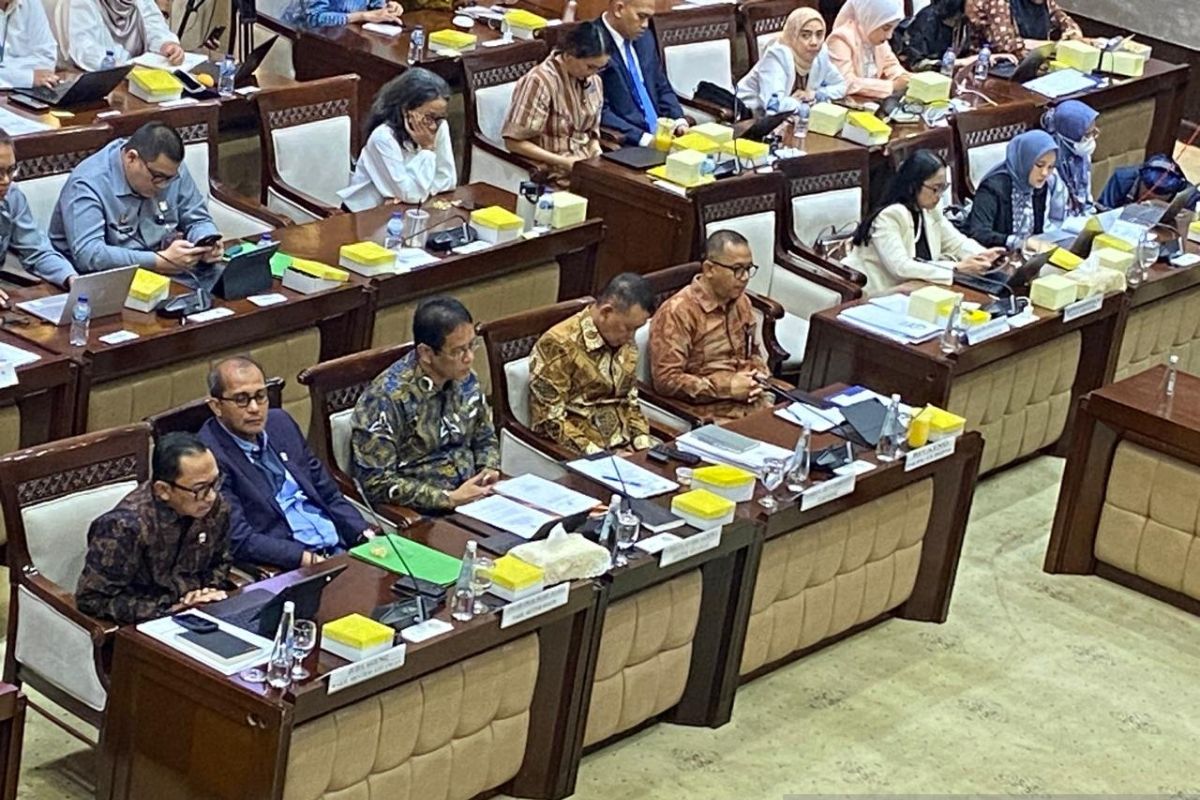
The establishment of the Indonesian International Financial Centre (PFII) aims, among other things, to enhance Indonesia’s competitiveness as an international financial hub to strengthen national economic sovereignty, according to Finance Minister Purbaya Yudhi Sadewa.
Speaking in Jakarta on Monday, Purbaya said the PFII is not only intended to consolidate financial sector activities but also to strengthen real sector financing. As such, the centre’s existence will encourage productive investment that creates jobs and bolsters national economic growth.
Furthermore, he added, the PFII is designed to promote financial sector deepening and innovation, as well as attract investment and financial sector players both nationally and internationally. It will also facilitate financing for the real sector, national strategic projects, sustainable financing, climate financing, infrastructure financing, and other types of financing, thereby strengthening the financial sector’s contribution to the national economy.
Additional objectives include promoting more equitable economic opportunities, technology transfer, job creation, and enhancing the capacity of Indonesia’s human resources. The PFII also aims to facilitate and strengthen the contribution of Islamic finance, the green economy, the blue economy, and industrial transformation to the national economy, while developing a globally competitive capital market, financial technology, digital finance, and financial market infrastructure.
To achieve these goals, the government and the House of Representatives agree that the PFII Bill focuses on several key regulatory areas, including the establishment, status, and objectives of the PFII, as well as the authority for its designation, institutional framework, and its development direction as a competitive international financial centre capable of attracting investment and strengthening the financial sector and national economy.
Other regulatory aspects cover business activities within the PFII, including the financial sector, supporting business activities, and other sectors within the PFII area. Institutional arrangements include the formation of a PFII Advisory Board, a PFII Board, a PFII Management Body, and a PFII Financial Services Supervisory Agency, as well as the establishment of a PFII Arbitration Institution as an alternative dispute resolution body and a PFII Court.
Purbaya explained that the bill also includes provisions for tax facilities and other special facilities to attract investment. Tax facilities cover income tax, value-added tax, and luxury goods sales tax, as well as customs facilities. Other special facilities include golden visas, immigration, employment, licensing, and residency arrangements.
The bill also contains specific provisions, such as the use of English, conducting business activities in foreign currency, and the application of laws and regulations within the PFII that may adopt, incorporate, apply, or adapt principles of jurisprudence, international commercial law, international financial centre practices, and international standards, as well as propriety and fairness.
“On behalf of the government, we accept the results of the working committee’s deliberation on the Bill as the basis for the Level I decision-making today,” Purbaya said. Following the Level I decision, the government agreed that the PFII Bill should proceed to the Level II discussion for final approval at the DPR Plenary Session.