
Finance Minister Guarantees Prabowo's Decisions Consider Fiscal Risk
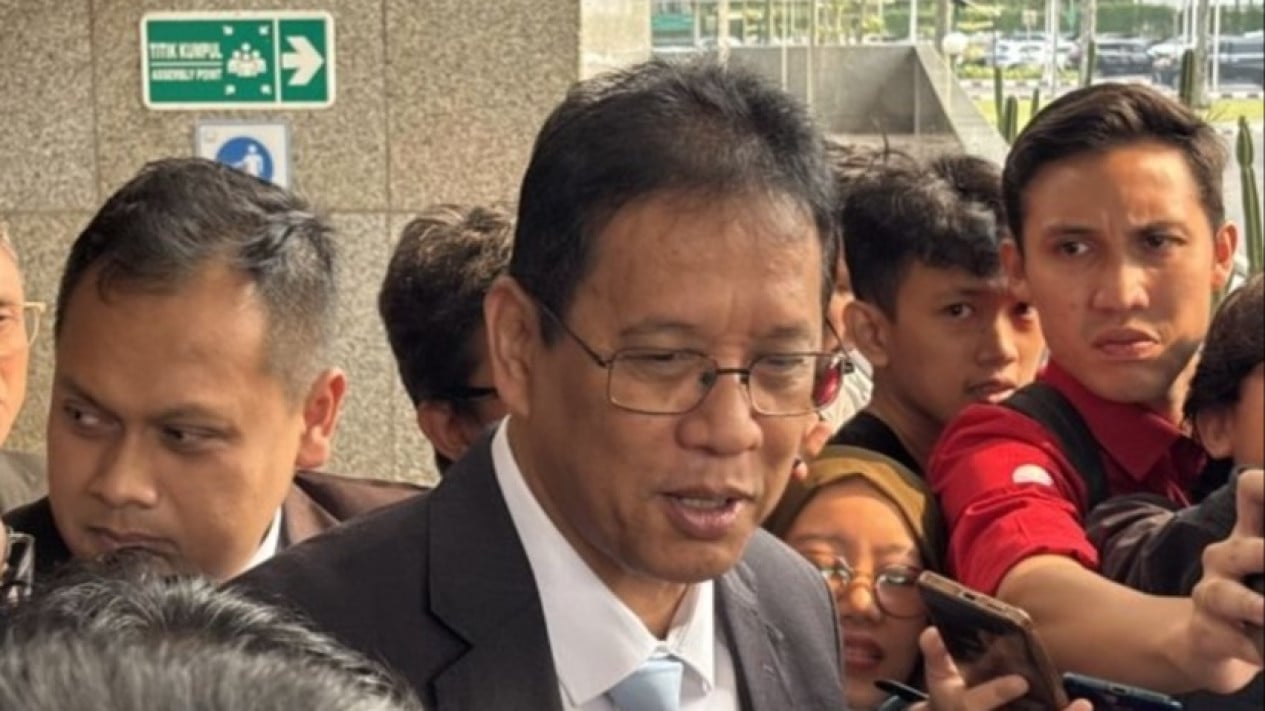
Finance Minister Purbaya Yudhi Sadewa has ensured that every decision made by President Prabowo regarding strategic policies has undergone a joint discussion mechanism that considers various economic, social, and national fiscal capacity aspects.
He stated that his office consistently provides analyses concerning fiscal risks and budgetary impacts to serve as essential considerations for the President when making decisions.
The state budget deficit is being maintained below the maximum limit of 3 per cent of Gross Domestic Product (GDP), while the government’s debt ratio remains at a safe level compared to other nations.
“Last year, the state budget deficit was around 2.81 per cent of GDP, and this year it is expected to remain below 3 per cent. The government debt ratio is also still around 40 per cent of GDP, which remains within a prudent category,” Purbaya said in a statement on Friday, 3 July 2026.
Regarding various government priority programmes, such as Free Nutritious Meals (MBG) and the Red and White Village/Sub-district Cooperatives, the Finance Minister stated that the government continues to conduct evaluations to ensure implementation becomes more efficient and well-targeted.
According to him, every new programme faces challenges during the initial stages, so supervision and refinement will continue to be carried out.
Purbaya stated that the government has taken steps towards budget efficiency, strengthening supervision mechanisms, and increasing coordination with implementing agencies to ensure the use of the state budget becomes more accountable.
“The government is not turning a blind eye to existing shortcomings. The most important thing is that every weakness is immediately rectified and supervision is strengthened,” said Purbaya.
On the other hand, the Finance Minister ensured that reforms within the Ministry of Finance continue to be strengthened, including the eradication of malpractice in the taxation and customs sectors.
He emphasised that there will be no tolerance for officials proven to have committed violations. Various improvement measures are being implemented through strengthened supervision, staff rotation, and legal action against individuals proven to have abused their authority.
These steps are expected to increase institutional integrity while simultaneously strengthening state revenue.