
Finally! Indonesian History Book to Soon Be Freely Accessible to the Public
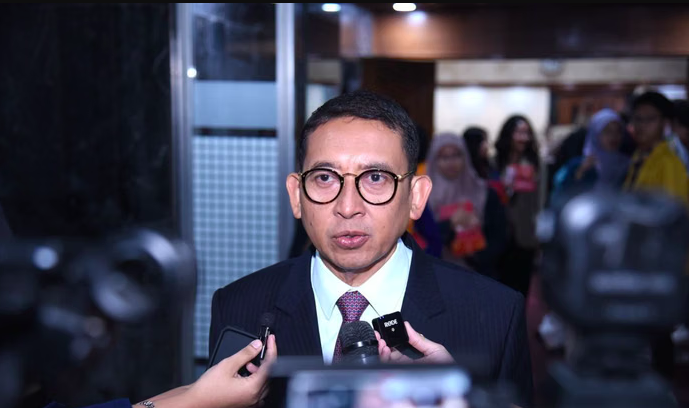
Culture Minister Fadli Zon stated that the book “Indonesian History” will at least be accessible to the public by the end of April 2026. “Hopefully it can. The substance is already finished,” said Fadli during an interview in Jakarta on Thursday (2/4). He emphasised that the book “Indonesian History: The Dynamics of Nationhood in Global Currents” is complete in terms of substance, but changes to the design and layout revisions are currently underway. “Oh yes, this history book is truly in the finalisation stage. Everything was done yesterday, just final revisions left. And also the design, there are changes to the layout,” he said. Thus, the team involved in writing the book, which is also planned to be presented in e-book form, is still completing technical matters. Previously, Culture Minister Fadli Zon targeted the book “Indonesian History: The Dynamics of Nationhood in Global Currents” to be accessible digitally and for free to the public in February 2026, after its launch in mid-December 2025. “And of course, there is a media conversion process. So it takes a process, they say about 1-2 months. Anyway, I target February, if possible, it can already be accessed,” said Fadli Zon (7/1). The Ministry of Culture launched the book “Indonesian History: The Dynamics of Nationhood in Global Currents” as part of the state’s efforts to nurture collective memory and strengthen national identity on Sunday (14/12). The writing of the book, which began in January 2025, involved 123 historians and experts from 34 universities in Indonesia. The book “Indonesian History: The Dynamics of Nationhood in Global Currents”, consisting of 11 volumes, maps the long journey of the Indonesian nation, starting from the roots of Nusantara civilisation; global interactions with India, China, Persia, the Middle East, to the West; the colonial era; the national movement; the struggle to maintain independence; state consolidation; the New Order era; to reform and democratic consolidation up to 2024. Fadli Zon also emphasised that culture must be placed as the main foundation in national development. Fadli Zon stressed that this determination is a manifestation of the state’s responsibility in safeguarding the legacy of the past while ensuring its continuity as an active cultural space.