
Final Israeli Election Results: Netanyahu Leads but Falls Short of a Parliamentary Majority
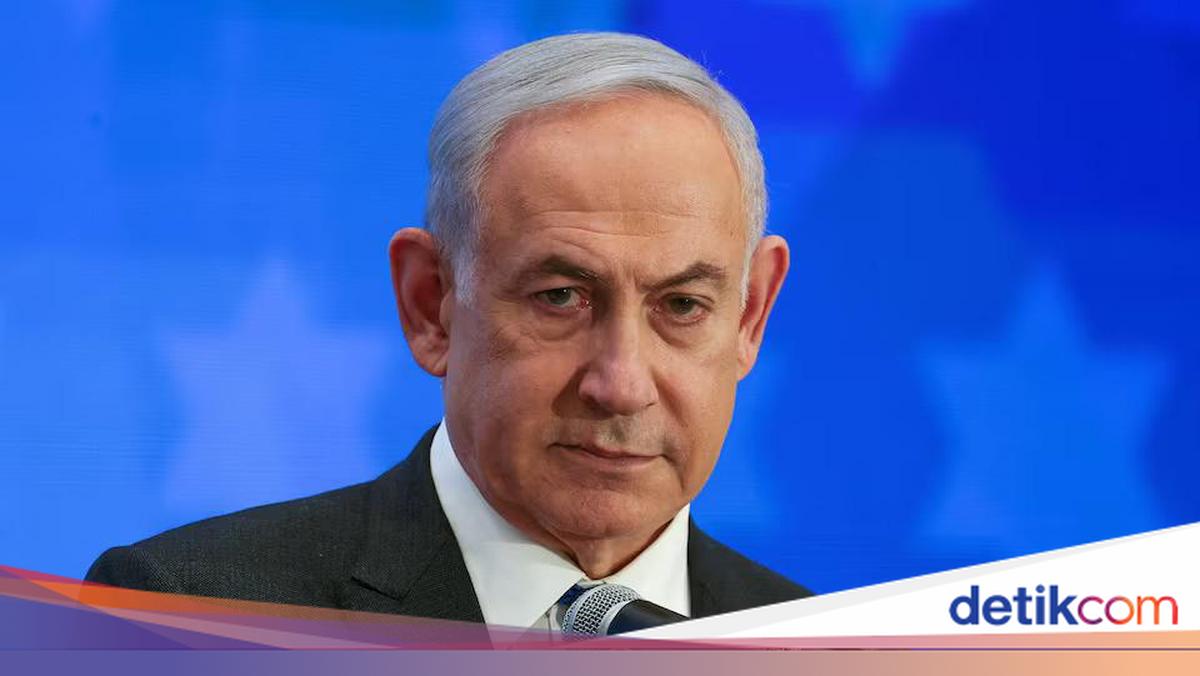
Israel’s Central Elections Committee (CEC) has released the official final results of the legislative election held on 27 October, showing Prime Minister Benjamin Netanyahu’s coalition ahead of the opposition but short of the parliamentary majority needed to form a government.
The CEC, as reported by AFP and The Times of Israel, announced the final results on Friday morning local time, after completing its final review of possible errors and complaints.
According to CEC data, turnout was 77.9 per cent of the approximately 7.3 million eligible voters. A total of 5,716,655 ballots were cast and counted, the highest figure in several decades.
The final results show Netanyahu’s right-wing coalition winning 53 of the 120 seats contested in the Knesset. Likud, Netanyahu’s party, remained the largest single parliamentary faction, with 27 seats.
The opposition bloc led by Gadi Eisenkot, head of the Yashar Party, won 48 seats.
The full seat allocation announced by the CEC was: Likud, 27; Yashar, 21; B’Yachad, 12; Joint List, 11; Democrats, 8; Ra’am, 8; Yisrael Beytenu, 7; United Torah Judaism, 7; Otzma Yehudit, 7; Shas, 6; and Religious Zionism, 6.
Netanyahu’s coalition consists of Likud, Shas, United Torah Judaism, Otzma Yehudit and Religious Zionism. The opposition bloc comprises Yashar, B’Yachad, the Democrats and Yisrael Beytenu.
With 53 seats, Netanyahu’s coalition is narrowly ahead of the opposition, but remains well short of the 61 seats required for a parliamentary majority and to form a government.
Meanwhile, Israel’s Arab parties—the Joint List and Ra’am—won a combined 19 seats, a record high. That is nearly double the 10 seats they currently hold.
Their total would have been more than enough to give the anti-Netanyahu opposition a strong parliamentary majority, had it not ruled out the possibility of forming a coalition with the Joint List and Ra’am.
The Arab parties, which could hold the balance of power in the coming coalition negotiations, were targeted on Thursday night by unsubstantiated allegations of election fraud circulated by Netanyahu’s camp.
The allegations claimed the parties had received funding from Qatar to “buy votes”. The Joint List and Ra’am denied the claims, as did Qatari authorities. Eisenkot, from the opposition, accused Netanyahu of trying to “delegitimise” the election results.
In a statement on Friday morning, the CEC dismissed claims of election fraud amid allegations of foreign funding intended to influence the vote, without directly referring to the accusations against the Arab parties.
“The reports circulating throughout the day are entirely baseless,” said Dean Livne, the CEC’s acting director.
Final election results to be submitted to Israel’s president on 4 November
The final results will be formally submitted to Israeli President Isaac Herzog on Wednesday 4 November. Herzog will then consult party leaders before asking one of them to form a government.
The absence of an outright parliamentary majority points to difficult coalition negotiations that could last for weeks.
If no new government can be formed, Israel could face another election, as it has several times in the past.
Source: jawawa.id (https://jawawa.id/newsitem/final-israeli-election-results-netanyahu-leads-but-falls-short-of-a-parliamentary-majority-1793335933)
Originally published by detikcom (https://news.detik.com/internasional/d-8730716/hasil-akhir-pemilu-israel-netanyahu-unggul-tapi-gagal-raih-mayoritas-parlemen), translated from Indonesian