
FHCI Emphasises Strengthening Employee Experience Amid AI Adoption
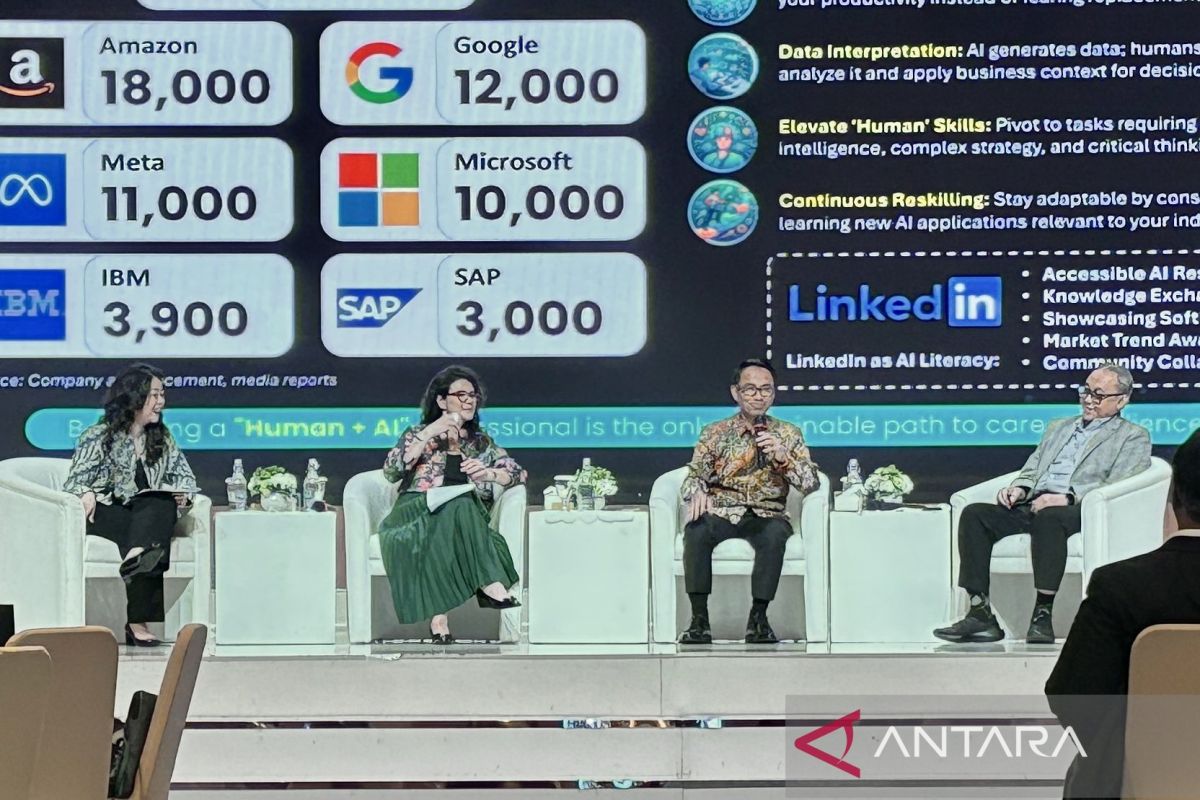
Jakarta (ANTARA) - The Forum Human Capital Indonesia (FHCI) has emphasised the importance of strengthening employee experiences amid the accelerating adoption of artificial intelligence (AI). At the FHCI Connect Expert Series 9 in Jakarta on Thursday (9/4), themed “Reigniting Employee Experience in the Age of AI”, the forum discussed AI’s role in supporting human resource management, in line with organisations’ growing need to maintain productivity while preserving the quality of employee experiences. The forum is expected to strengthen collaboration among state-owned enterprises (BUMNs) in developing human resources that are adaptive to AI-based transformations. In addition, Faizal emphasised the importance of managing access in AI usage to safeguard internal company data security. He also encouraged enhancing AI literacy in the work environment and shifting from digital natives to AI natives. “AI will not replace humans, but humans who use AI will replace those who do not,” he stated. Deputy Chairman of FHCI and Director of Human Capital and Transformation at PT Wijaya Karya (Persero) Tbk, Hadjar Seti Adji, highlighted the importance of an employee experience-based approach in human resource management in the AI era. Utilising digital learning platforms such as LinkedIn Learning, combined with the internal WIKAdemy platform, can help develop employee competencies and careers more directedly, in line with the increasing need for new skills. Through that platform, the integration shows an increase in learning activities, including a 14% rise in material access, 23% in course completion, and 40% in daily login frequency. LinkedIn Senior Programme Manager Monique Tugas highlighted the acceleration of changes in workforce skill needs alongside technological developments. LinkedIn Economic Graph data indicates that around 70% of skills in jobs are estimated to change by 2030. According to her, companies need to create safe and trust-based work environments, focusing on performance impacts and outcomes. Additionally, investment in reskilling and upskilling is crucial to ensure workforce readiness in facing changes.