
Fertiliser and Fuel Costs Rise, Malaysia's Oil Palm Replanting Slows
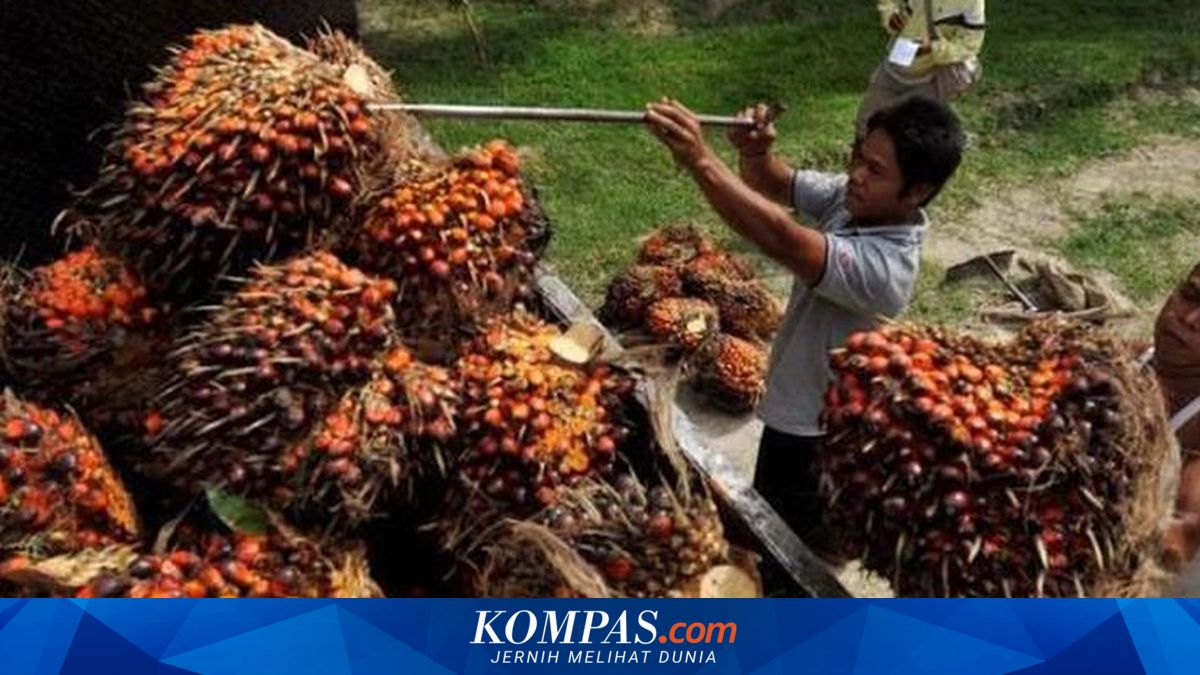
Kuala Lumpur, Kompas.com - The rise in fertiliser and fuel prices has begun to hinder the replanting of oil palm estates in Malaysia. This condition raises concerns about global palm oil supply in the coming years, amid the world’s high demand for vegetable oils. Quoted from The Edge Malaysia, Thursday (21 May 2026), palm oil producers in Malaysia are now facing a significant escalation in operating costs. On the other hand, the price of crude palm oil (CPO) has risen by about 10 percent since the end of February 2026. The rise in palm oil prices has prompted many farmers to choose to maintain production rather than undertake replanting. Replanting of estates is, however, an important step to maintain productivity and the sustainability of global palm oil supply. The palm oil industry in the country plays a crucial role in global vegetable oil trade because palm oil is widely used, from cooking oil to various household products. However, the sector is now facing pressure from rising production costs and global energy supply uncertainty. A number of palm farmers in Malaysia say they have delayed replanting because costs are deemed too high. Unlike food crops such as rice or wheat, which can be harvested within months, oil palm trees take about three to five years to start bearing fruit after replanting. On the other hand, high palm oil prices mean farmers tend to keep older trees to remain productive. This condition has caused many industry players to delay plant replacements even though orchard productivity had begun to decline. The slowdown in replanting has become a concern because old palm plantations have long been considered one of the main challenges facing the palm oil industry in Malaysia and Indonesia. In recent years, replanting efforts in both countries slowed. A new industry began to increase replanting in 2025 after previously being delayed for quite some time.