
Female MSMEs in Rural Areas Need Support; Ipemi Encourages Stakeholder Involvement
REPUBLIKA.CO.ID, JAKARTA – Female entrepreneurs running micro, small, and medium enterprises (MSMEs) in rural areas are still facing limited access to capital and production equipment. Concrete support from various stakeholders is considered key to enabling female-owned businesses in rural areas to develop and sustain themselves.
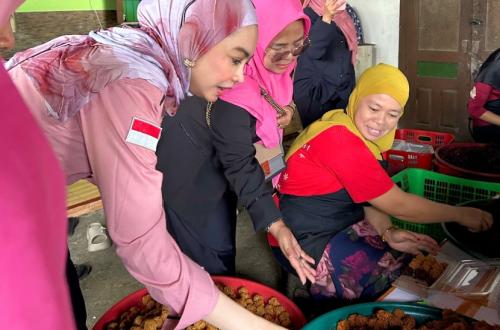
The Chairwoman of the Indonesian Muslimah Entrepreneurs Association (Ipemi), Ingrid Kansil, made these remarks after visiting Ipemi-supported MSMEs in Magelang Regency, Central Java, on Saturday, May 16, 2026. During the visit, Ingrid was accompanied by Ita Sarifah, Chairwoman of Ipemi Magelang, along with other administrators, to inspect Ipemi members’ businesses in Windusari District, Borobudur, and Mungkid.
Ingrid directly observed the activities of several home industries owned by Ipemi members, including a cassava-based snack business run by Endang, which empowers women in the surrounding area. From this visit, Ingrid noted that female MSME entrepreneurs in rural areas have a strong desire to develop but still face challenges in obtaining support for their businesses.
MSME entrepreneurs in rural areas need financial assistance and production facilities to increase their business capacity. “From the need for business equipment to the strong desire to remain productive and grow,” said Ingrid in a press release in Jakarta, Sunday, May 17, 2026.
While inspecting the production process, Ingrid assessed that the business practices implemented by Endang provide a real solution for women who play a dual role as mothers and workers. Endang allows her employees to bring their toddlers to the production site so that women can continue working without neglecting their family responsibilities.
According to Ingrid, this practice aligns with the spirit of Law Number 4 of 2024 on Maternal and Child Welfare during the First Thousand Days of Life, which encourages a female- and child-friendly work environment. “This is the spirit of Indonesian women: supporting each other, being independent, productive, and continuing to grow together,” said Ingrid.
She affirmed that Ipemi’s network has been established at the sub-district level, enabling it to reach female MSME entrepreneurs directly in rural areas. However, limited access to business capital remains a major challenge that requires collaboration between the government, financial institutions, and the private sector.
“MSME entrepreneurs in rural areas, especially Ipemi members, still need assistance with financing. For example, Ibu Endang’s business needs more modern cassava grating equipment,” said Ingrid.