
Feeding 10 Billion: AI Forced to 'Work' in the Fields
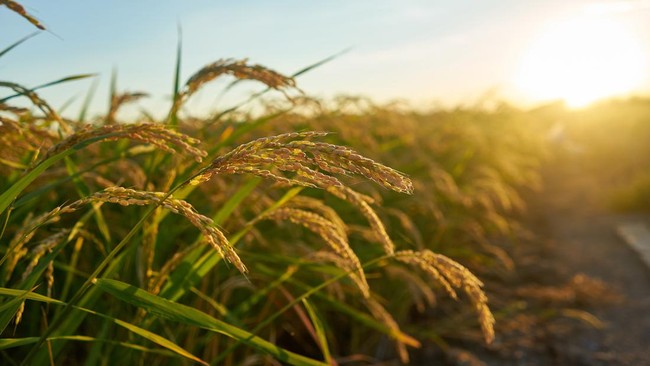
Climate change, war, and supply chain disruptions are making global food markets increasingly unpredictable. In recent years, the world has faced soaring food prices due to the Covid-19 pandemic, the Russia-Ukraine war, and the latest conflict in the Middle East. Simultaneously, the agricultural sector must contend with more frequent droughts, extreme weather, and declining land quality. These conditions are driving a large flow of investment into the agricultural technology sector. According to an AgFunder report cited by The Economist, global investment in agricultural innovation reached over US$16 billion in 2025. Of that amount, approximately US$9 billion was allocated to research for improving agricultural productivity, a sharp increase from around US$2.5 billion in 2016. This wave of investment stems from an increasingly urgent need. The world’s population is expected to approach 10 billion in the coming decades, whilst food production capacity faces pressure from climate change. The global food industry is ultimately seeking new ways to produce more food from the same land with more efficient use of water, fertilisers, and pesticides. One rapidly developing approach is precision agriculture. This technology combines field sensors, artificial intelligence (AI), weather analysis, and plant genetics data. Each plot of land is treated based on actual field conditions. Soil moisture, air temperature, sunlight intensity, and the presence of microorganisms in the soil are analysed to determine the most effective treatment for crops. Italian technology company EVJA is one example of applying this model. Sensors installed in the fields collect environmental data in real-time, then AI processes the information to estimate plant disease risk, water requirements, potential crop yields, and even the carbon footprint. According to the company, users of the system can reduce water and fertiliser consumption by up to 40% for several horticultural commodities like tomatoes, potatoes, and leafy vegetables. Innovation is also emerging from the crop protection sector. The startup B-COS is developing molecules with characteristics similar to chitin, a compound commonly found in insect exoskeletons and fungal cell walls. When sprayed onto plants, these molecules trigger the plant’s natural defence system, making it more prepared to face disease attacks. The company claims the technology under development can increase drought resistance and suppress disease attacks by up to 40-50%. Another major shift is occurring in the plant breeding process. Whereas developing new varieties previously took years with conventional selection processes, researchers are now utilising machine learning to speed up the search for the best genetic combinations. Plant genetic data is combined with information on crop yields, nutritional content, and flavour characteristics. The system then helps researchers select superior candidates for further development. This approach is used by Aardaia, a startup based at the Wageningen University & Research campus in the Netherlands. The company is developing aardaker, a wild plant known as the ‘protein potato’. According to its founder, plant geneticist Pádraic Flood, this commodity has the potential to produce several times more protein per hectare than soybeans. Through speed breeding techniques that regulate light, temperature, and humidity in growth chambers, Aardaia can produce five generations of plants in one year. Initial results show tuber productivity has already increased about tenfold compared to wild varieties. The hunt for future food crops is also targeting quinoa. Dutch startup Radicle Crops is developing quinoa varieties that are more resistant to climate change and have better competitiveness against weeds. The company has begun commercialising hybrid varieties claimed to produce 25-45% higher grain yields than previous varieties. Quinoa is gaining attention because of its high protein content, containing nine essential amino acids needed by the human body. Although technological development is progressing rapidly, adoption is still in its early stages. The Economist notes that agricultural technology companies only secured about 1.3% of global early-stage venture capital funding in 2024. This figure is still far below the agricultural sector’s contribution, which accounts for about 4% of global gross domestic product. However, the direction of movement is already clear. As the world faces the challenge of feeding a growing population, farmland is increasingly filled with sensors, algorithms, and genetic analysis. Global food competition in the coming decades will likely be determined by the ability of countries and businesses to turn data into harvests.