
Febrie Adriansyah's Asset Discovery in Spotlight, Expert: Indications of Money Laundering Must Be Proven in Court
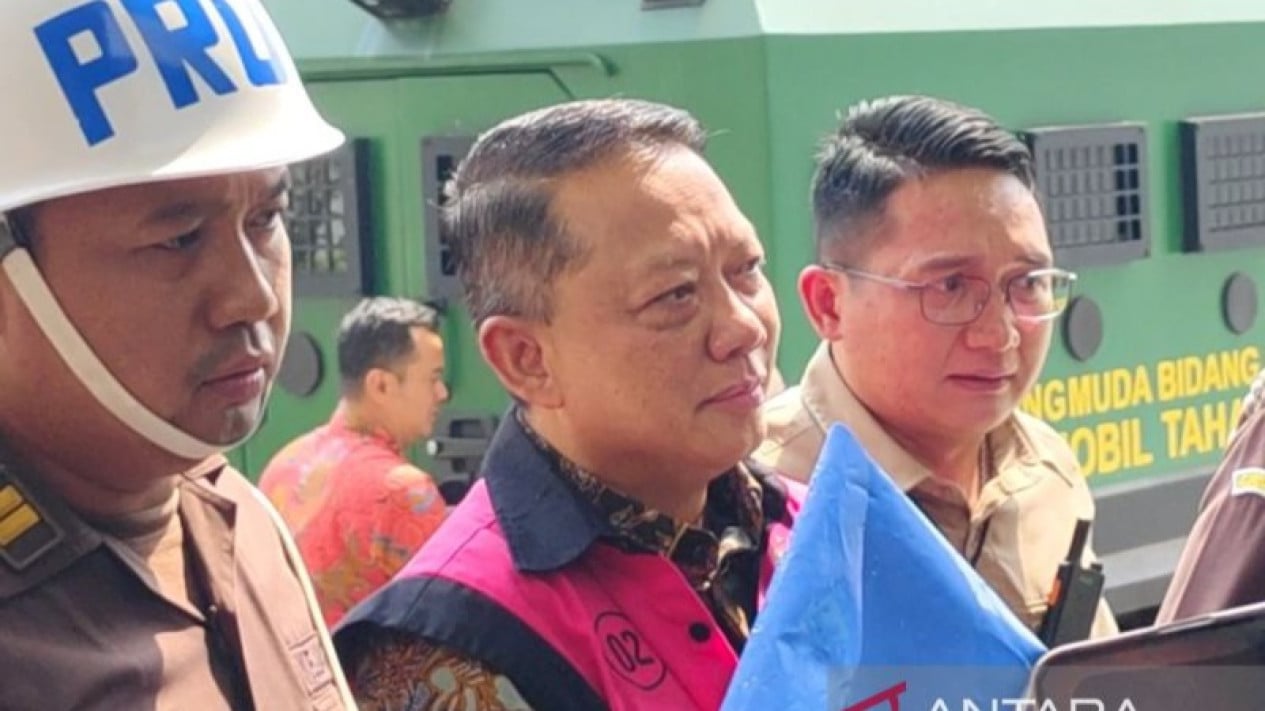
Money Laundering Crime (TPPU) law expert Yenti Garnasih considers the indications of money laundering in the case involving former Junior Attorney General for Special Crimes (Jampidsus) at the Attorney General’s Office, Febrie Adriansyah, to be quite strong.
This, according to her, is evident from the discovery of a number of assets in the form of cash and gold bars when officers conducted a search at Febrie’s residence. With the discovery of the cash and gold, she assessed that it was inappropriate for Febrie’s capacity.
“We see that the indication towards that, especially money laundering, is very much there. In his house there was that amount (of cash and gold bars) which is inappropriate for him,” said Yenti, quoted on Wednesday, 12 August 2026.
Furthermore, Yenti said that a person or law enforcement officer can allegedly commit corruption while carrying out anti-corruption duties. For example, by accepting bribes, gratuities or committing extortion.
“There is a possibility that they commit corruption because they are eradicating corruption with corruption. They want to eradicate corruption but they accept bribes or gratuities or extort,” she said.
Yenti then linked the issue to broader governance and corruption practices. According to her, the prevalence of corruption is related to issues of nepotism and collusion, corruption and nepotism (KKN) as well as alleged abuse of authority.
“Why is there so much corruption? This is related to nepotism, KKN, meaning there is a problem with the executive abusing authority or acting unlawfully to the detriment of state finances,” she explained.
Yenti asserted that such conditions show that the three pillars of the state have collapsed, namely the executive, legislative and judicial branches.
“This increasingly shows that all three pillars are already fragile. The executive, legislative and judicial branches are already fragile, tending towards corruption and money laundering,” she added.
In addition, she also criticised Febrie’s statement claiming he was being criminalised. As an academic, Yenti felt the need to correct the criminalisation statement made by Febrie. She said the term criminalisation used by Febrie is inaccurate because what can be criminalised is an act, not a person.
“The term criminalisation is also wrong. As an academic, I must correct this. The term criminalisation is a process. For example, previously we did not have a money laundering law, then suddenly we have money laundering, that is called criminalising the act of enjoying the proceeds of crime, which is now called TPPU,” she explained.
Source: jawawa.id (https://jawawa.id/newsitem/febrie-adriansyahs-asset-discovery-in-spotlight-expert-indications-of-money-laundering-must-be-proven-in-court-1786514042)
Originally published by VIVA.co.id (https://www.viva.co.id/berita/nasional/1920813-temuan-harta-febrie-adriansyah-disorot-pakar-indikasi-tppu-perlu-dibuktikan-di-pengadilan), translated from Indonesian