
Febrie Adriansyah Named Suspect, Police Transfer Corruption Cases to AGO
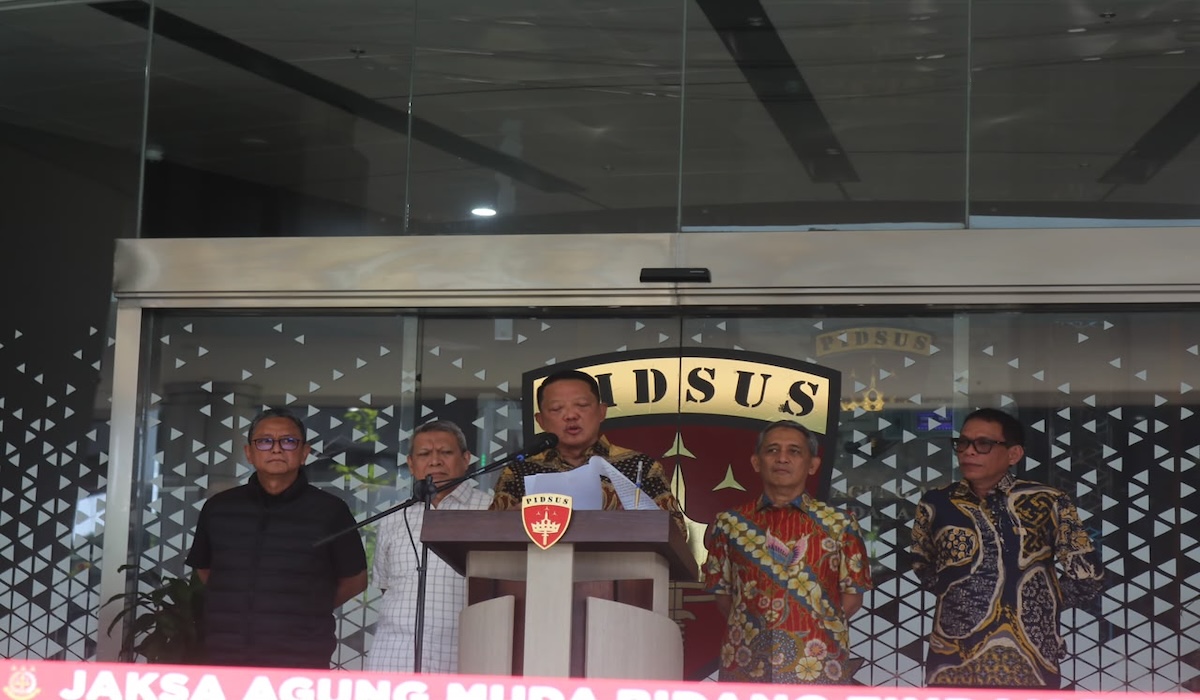
The Indonesian National Police’s Corruption Eradication Corps (Kortas Tipidkor) has officially transferred the investigation of three corruption cases implicating former Junior Attorney General for Special Crimes (Jampidsus) Febrie Adriansyah to the Attorney General’s Office (Kejagung). The transfer was carried out to strengthen synergy between law enforcement agencies in resolving the cases. Kortas Tipidkor Chief Inspector General Totok Suharyanto stated that the decision to transfer the case files had been agreed upon with the AGO. The announcement was made during a joint press conference with Commission III of the House of Representatives in Jakarta on Saturday, 11 July 2026. ‘We have agreed with the Attorney General’s Office that the handling of the investigation into three cases has been transferred to the AGO for the sake of synergy,’ Totok said. Prior to the transfer, the police conducted a marathon investigation, examining 15 witnesses and two experts, as well as searching a number of strategic locations. Based on the case review, the police named two main suspects: a private party with the initials DR related to money laundering, and Febrie Adriansyah. Febrie Adriansyah is being targeted for alleged corruption and money laundering in the legal handling of the PT ASABRI case and other matters. He is charged under Article 12 letter e and Article 12 letter B of the Corruption Eradication Law, Articles 3 and 4 of the Money Laundering Law, and Article 607 paragraph 1 of the new Criminal Code. Acting Jampidsus Rudi Margono affirmed his office’s readiness to continue handling the case transparently. He guaranteed that the legal process would be conducted professionally to meet public expectations and accelerate the development of evidence. ‘We will ensure the existing evidence, the exhibits, and the causal relationship with what is alleged. More importantly, we also uphold the presumption of innocence,’ Rudi stressed. This step is expected to provide legal certainty and maximise the development of evidence in the case involving the state official.