
FCC's Satellite Licensing Dominance and Giant Space Mirrors Under Scrutiny
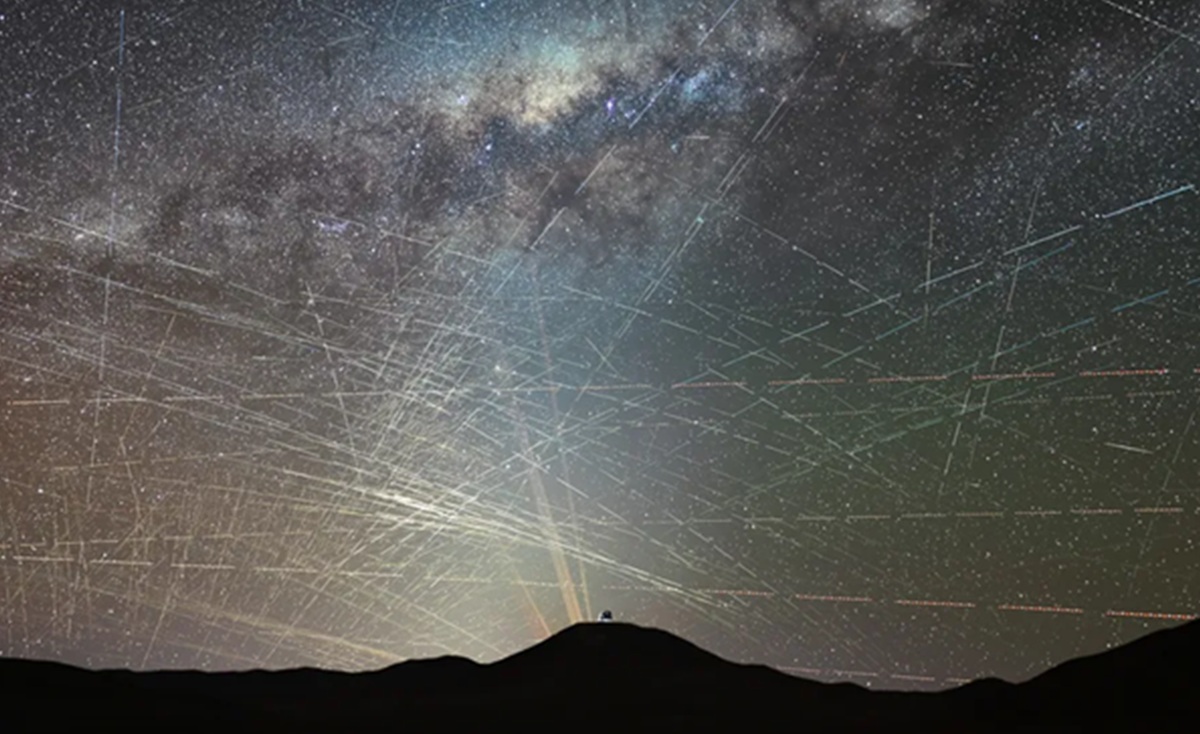
The US Federal Communications Commission (FCC) has come under scrutiny after approving Reflect Orbital’s application to launch a 18x18 metre space mirror. The decision, announced on 10 July, aims to test reflecting sunlight onto solar farms on Earth at night. The policy has triggered strong opposition from astronomers and environmental activists. They fear this initial step will pave the way for permits to operate 50,000 light-reflecting mirrors. At the same time, major companies like SpaceX, Blue Origin, and Starcloud are also awaiting FCC approval to launch thousands of orbital data centres and internet satellites.
Despite sparking a wave of global protests, space law experts believe the international community has limited ability to stop such FCC licences. “Technology is developing far faster than its regulatory environment,” said Ruskin Hartley, CEO and Executive Director of the advocacy group DarkSky International. Under the 1967 UN Outer Space Treaty, the authority to license satellite launches rests entirely with the country where the satellite is registered. An anonymous source from the UN Office for Outer Space Affairs (UNOOSA) noted that UN mechanisms require full consensus, making the process extremely slow. “These UN bodies were formed in the last century and move very slowly. They require absolute consensus to pass anything, and that clearly almost never happens. By the time UN COPUOS and UNOOSA finish their discussions, SpaceX will have launched thousands of new satellites,” the source said.
Furthermore, compensation rules in international treaties are considered to only cover physical damage. According to Hartley, impacts such as disruption to astronomical observations or light pollution are not yet accommodated as forms of damage requiring compensation. Former NASA legal adviser Robin J. Frank added that unilateral action by the US is not unprecedented. The US is often reluctant to be bound by international mechanisms that limit its industrial ambitions, a pattern also frequently seen in other major powers.
Criticism has also been directed at gaps in US domestic law. The satellite industry has been exempt from the US National Environmental Policy Act (NEPA) since the 1980s, meaning neither the FCC nor satellite companies are required to prove environmental impact before launch. This erosion of regulatory boundaries is feared to have wide-ranging consequences. A study by the European Southern Observatory indicates that night sky brightness could increase by up to 300 percent if all planned satellite constellations become operational. In addition to disrupting astronomical observations and ecosystems, the burning of satellite materials upon re-entry into the atmosphere risks damaging the ozone layer. “This is more than just a limited problem for astronomers. This is an issue that will affect the quality of life for everyone on Earth,” Hartley stressed.
Source: jawawa.id (https://jawawa.id/newsitem/fccs-satellite-licensing-dominance-and-giant-space-mirrors-under-scrutiny-1785216023)
Originally published by Media Indonesia (https://mediaindonesia.com/teknologi/915370/dominasi-fcc-terkait-izin-satelit-dan-cermin-raksasa-disorot-pakar), translated from Indonesian