
Fatwa Declaring Vaping Haram Raises Industry Concerns
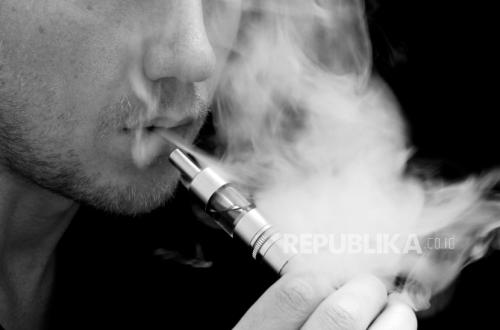
JAKARTA — Vape businesses are concerned about the impact of Indonesian Ulema Council (MUI) Fatwa No. 131 of 2026 on the sustainability of the e-cigarette industry. The decision declaring the use and trade of vapes haram is seen as potentially affecting consumers’ purchasing power and business activity.
Vape entrepreneur and VapePackers owner Rhomedal Aquino said the fatwa would, to some extent, affect public perceptions of e-cigarette products. It could also influence consumers’ decisions to buy them.
“An edict declaring them haram will inevitably have an effect. It will have some impact on people’s purchasing power, their beliefs and so on,” Rhomedal told Republika on Tuesday (10 November 2026).
However, he said it was too early to estimate the fatwa’s impact on sales. The decision had only just been announced, and no change in consumer behaviour was yet apparent. “We can’t respond to anything yet; we’re simply carrying on with our work as usual. It’s too early to say anything when it hasn’t even been 24 hours,” he said.
Rhomedal also questioned the difference in how conventional cigarettes and e-cigarettes are treated. He said the basis for distinguishing the legal status of the two products needed to be explained, given that both are related to tobacco products.
“Why are cigarettes considered makruh [discouraged], while vapes are haram? Under the law, we are in the same category; both are derived from tobacco,” he said.
Rhomedal also highlighted the treatment of other nicotine-derived products, such as nicotine gum. He said there was a difference in how products marketed by tobacco companies and similar products sold through pharmacies were treated, particularly in relation to excise duties.
He said the government should explain the difference in treatment to prevent questions arising among business operators.
On the industry’s future, Rhomedal called on the government to pay attention to the vape sector. He said it involved around 100,000 to 150,000 workers, according to association records.
“Imagine, this is a legal industry. Hundreds of thousands of people are involved; our association’s records put the number of workers in this industry at 100,000 to 150,000, and they work legally,” he said.
He feared that a blanket ban on vapes would affect not only business owners but also workers who depend on the industry for their livelihoods.
Rhomedal therefore urged the government to consider the economic and employment impact before taking further action against the vape industry. “We ask the Palace and the President to give this more attention, so the industry can be assessed more objectively, rather than subjectively,” he said.
Rhomedal added that businesses were continuing to operate as usual while monitoring developments following the fatwa. He also expressed concern that calls for a blanket ban on vapes could add to uncertainty for the industry.
Source: jawawa.id (https://jawawa.id/newsitem/fatwa-declaring-vaping-haram-raises-industry-concerns-1794315070)
Originally published by Republika (https://ekonomi.republika.co.id/berita/toabqs423/fatwa-haram-vape-terbit-pengusaha-khawatirkan-nasib-industri), translated from Indonesian