
Fatty Liver Increasingly Affects Those in Their 30s, Beware the Silent Killer
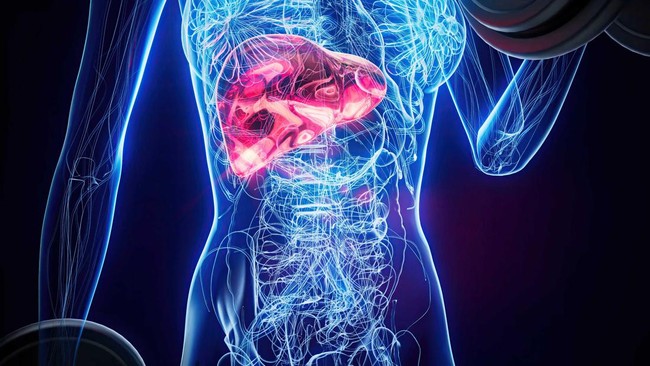
Fatty liver disease is no longer synonymous with the elderly. Dr Widya Khairunnisa Sarkowi, MSc, a lecturer at the Faculty of Medicine and Nutrition (FKGiz) at IPB University, revealed that cases of fatty liver, or metabolic dysfunction-associated steatotic liver disease (MASLD), are increasingly being found in adults in their 30s.
Widya explained that fatty liver occurs due to the accumulation of fat in the liver organ, which is linked to the body’s metabolic disorders. The disease is often dubbed a silent killer because it develops slowly without clear symptoms, yet can lead to permanent liver damage.
"Many people feel healthy, but when examined via ultrasound or liver enzyme tests, fatty liver is already detected. Individuals with obesity, diabetes mellitus, or other metabolic disorders have a higher risk of experiencing fatty liver," she said.
Globally, the prevalence of fatty liver is estimated to have reached around 30% and continues to rise. In Indonesia, the 2023 Indonesian Health Survey (SKI) showed the prevalence of obesity in adults increased from 21.8% in 2018 to 23.4% in 2023. The prevalence of central obesity, or abdominal fat, in the population aged over 15 years reached 36.8%.
Widya explained that the rising obesity rate signals an increase in metabolic disorders in society, such as central obesity, diabetes, high cholesterol, hypertension, high-sugar and high-calorie diets, and lack of physical activity.
However, she cautioned that fatty liver does not only affect overweight individuals. People with normal body weight can also experience this condition if they have a distended abdomen, insulin resistance, diabetes, frequently consume high-sugar foods, or rarely exercise.
She also urged the public not to be easily tempted by various products claiming to "cleanse the liver", such as supplements, herbal medicines, or detox products.
"Using medication alone is not enough without accompanying healthy lifestyle changes. Scientific evidence shows that lifestyle changes remain the most effective way to prevent and manage fatty liver," she said.
To reduce the risk of fatty liver, Widya shared five main steps aligned with the recommendations of the World Health Organisation (WHO):
Lose weight gradually, around 5-10% of initial body weight.
Reduce consumption of sugary drinks such as sweet tea, high-sugar milk coffee, bubble tea, soda, syrup, and packaged beverages.
Adopt a balanced diet by increasing vegetables, fruit, and protein, and limiting ultra-processed foods, fried foods, and high-calorie snacks.
Exercise regularly for at least 150-300 minutes per week, or about 30 minutes a day for five days a week, plus weight training twice a week.
Undergo regular health check-ups, including waist circumference, body mass index (BMI), blood sugar, cholesterol, blood pressure, and liver function tests and ultrasound if necessary.
Widya added that prevention should ideally begin in childhood. Children need to be accustomed to eating healthy foods, being active, limiting screen time, getting enough sleep, and reducing consumption of sugary drinks and ultra-processed foods.
For adults, she advised routinely monitoring body weight, waist circumference, blood sugar, and blood pressure, especially for those with a family history of diabetes, obesity, or heart disease. Upon entering the age of over 40, early detection needs to be pursued more actively as the risk of metabolic disease increases.
Widya also reminded the public not to take a diagnosis of "mild fatty liver" lightly. She stressed that the condition can develop into liver inflammation, fibrosis, cirrhosis, and even liver cancer if not addressed through consistent lifestyle changes.