
Fatal Risks of Feeding Raw Egg to a 24-Day-Old Baby
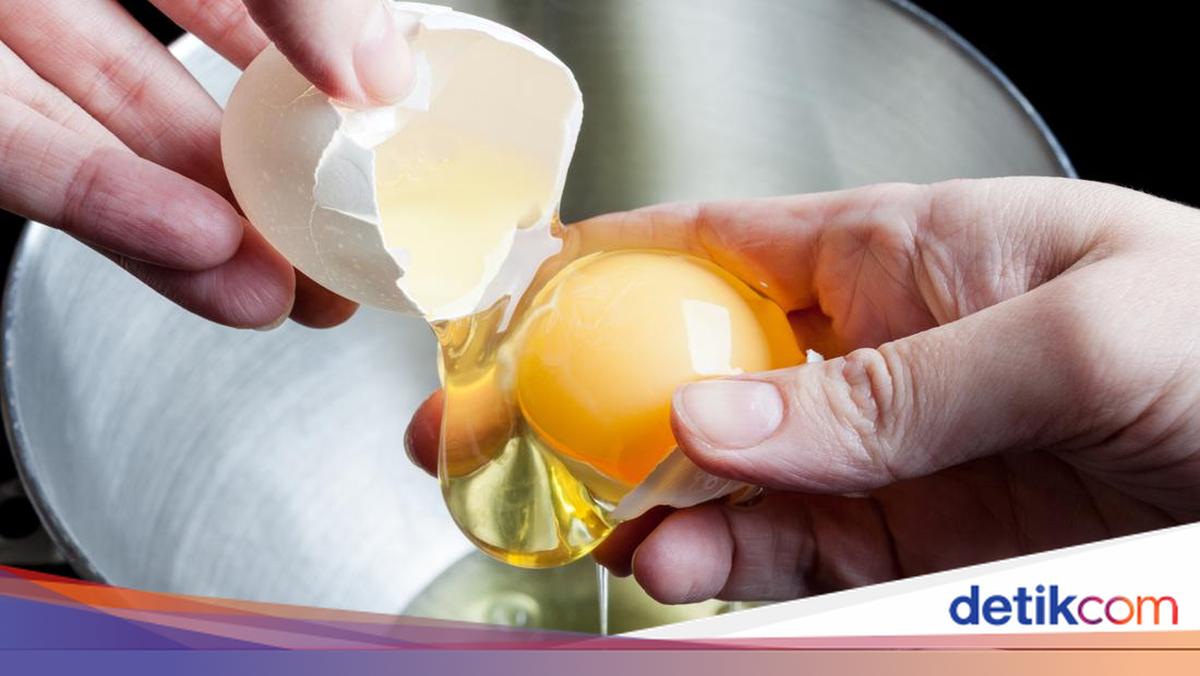
A 24-day-old baby in Surabaya, East Java, has died after reportedly being given raw egg by her grandmother. The infant did not survive after spending several days in critical condition at Dr Soetomo Regional General Hospital in Surabaya.
Reports circulating said the baby had developed a fever before her grandmother allegedly gave her raw egg in an attempt to bring it down. Alena was reported to have died on Sunday (11 October 2026), at the age of 28 days. The hospital confirmed the news.
The Indonesian Paediatric Society (IDAI), cited by detikHealth, has stressed the importance of feeding babies in line with their age, nutritional needs, developmental readiness and food safety.
At 24 days old, a baby is still in the neonatal period. Giving a baby food beyond what is appropriate for their needs at this age can pose serious health risks. Why is feeding raw egg to a baby under one month old so dangerous?
The digestive system is still developing
Newborns’ digestive systems are still developing, and the production and activity of several digestive enzymes are not yet mature. However, babies can digest breast milk, which is suited to their nutritional needs.
At one month, a baby’s stomach is also still small. The Maternal and Child Health Handbook describes it as roughly the size of a duck egg. Feeding therefore needs to be tailored to the baby’s capacity and needs.
A 24-day-old baby also still has the tongue-thrust reflex, a natural response in which the tongue pushes objects or food entering the mouth back out. This is part of a baby’s development and helps protect them from objects or food they are not yet ready to swallow.
Breast milk is recommended as the main source of nutrition during the first six months of life. Its energy, protein, fat, vitamins, minerals and bioactive components are sufficient to support a baby’s growth and development.
The World Health Organization recommends exclusive breastfeeding for the first six months. During this period, babies who are exclusively breastfed do not need additional food or drink, including water.
Giving water to babies under six months is not recommended unless there is a medical indication. It can reduce their intake of breast milk, while excessive water consumption may disrupt electrolyte balance and cause water intoxication. An inappropriate diet can also prevent a baby from receiving enough energy and nutrients.
Raw egg therefore has no nutritional justification for a 24-day-old baby. At this age, babies do not need complementary foods to supplement breast milk.
Babies’ immune systems are immature
As well as having a developing digestive system, newborns have immature immune systems. In early life, protection against infection comes partly from antibodies acquired from the mother during pregnancy and from immune components in breast milk.
A 24-day-old baby remains highly vulnerable to disease-causing germs, particularly those transmitted through unsafe food. Maternal protection does not make a baby fully immune to infection, making food safety particularly important.
One risk of eating raw egg is infection with Salmonella bacteria. The bacteria can contaminate eggs and cause salmonellosis, an infection that can lead to diarrhoea, fever, vomiting and dehydration.
In very young babies, an infection can become more severe and potentially cause serious complications. Fluid loss from vomiting or diarrhoea, for example, can have a major impact because babies have limited fluid reserves.
Even adults can contract Salmonella after eating raw or undercooked eggs. The risk is greater for babies whose immune systems are still developing.
IDAI chair Dr Piprim Basarah Yanuarso, a paediatric cardiologist, said in an official statement that raw or undercooked eggs should not be given to babies and children, principally because of food-safety risks.
“Raw or undercooked eggs are not recommended for babies and children, principally because of food-safety risks,” Dr Piprim said in a statement received by detik.com on Monday (12 October 2026).
IDAI also said raw or undercooked eggs offer no nutritional benefit that would justify the risk of giving them to babies. Cooked eggs are a high-quality source of protein, but they should only be introduced when a baby is old enough and ready to begin complementary feeding.
Source: jawawa.id (https://jawawa.id/newsitem/fatal-risks-of-feeding-raw-egg-to-a-24-day-old-baby-1792275620)
Originally published by detikBali (https://www.detik.com/bali/berita/d-8711576/dampak-dampak-fatal-bayi-usia-24-hari-diberi-telur-mentah), translated from Indonesian