
Farmers' Sugarcane Intake Strengthened
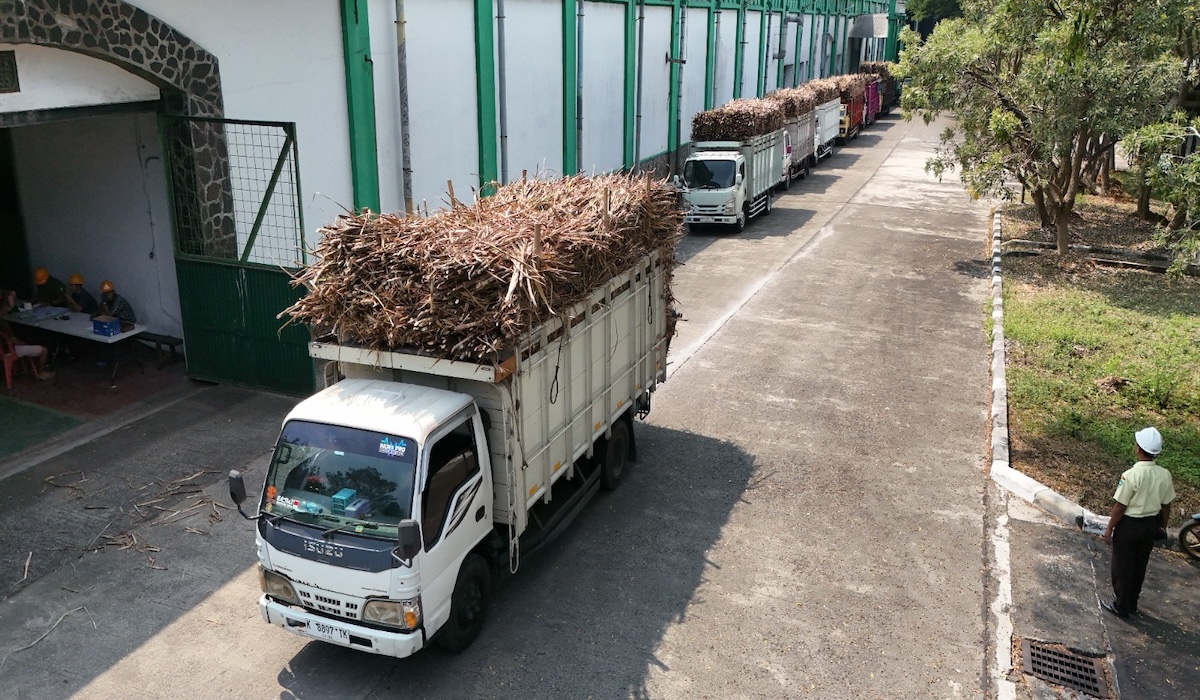
The Tjepiring sugar factory in Kendal, Central Java, is reopening its intake of farmers’ sugarcane for the 2026 milling season. This move is part of efforts to maintain the continuity of sugar production while providing certainty for farmers regarding their harvests.
General Manager of PG Tjepiring, Tri Mintorogojati, stated that the intake of sugarcane from farmers has been carried out routinely every year. The supply primarily comes from farmers’ sugarcane plantations in several regions of Central Java.
According to Tri, the presence of farmers is a crucial part of the sugar production chain. Therefore, the continuity of harvest intake is necessary so that sugarcane cultivation activities can continue and the factory’s raw material needs can be met.
PG Tjepiring itself operates under the auspices of Industri Gula Nusantara (IGN). The intake of farmers’ sugarcane is one form of industry involvement in supporting the government’s policy to increase national sugar production.
This effort aligns with Presidential Regulation Number 40 of 2023 concerning the acceleration of national sugar self-sufficiency and the provision of bioethanol. The policy is directed not only at increasing domestic sugar production but also at encouraging the development of bioethanol as a plant-based fuel.
The government is targeting self-sufficiency in consumption sugar by 2028, while industrial sugar needs are targeted to be met from domestic production by 2030.
To pursue these targets, a number of strategies have been prepared, including the rejuvenation of sugarcane plants, the use of superior seeds, the revitalisation of sugar factories, and the obligation for refined sugar factories to own their own sugarcane plantations.
The policy is also expected to have an impact on improving farmers’ welfare, while strengthening energy security and promoting the use of cleaner energy through the development of bioethanol.
Tri stated that the intake of farmers’ sugarcane is one of the industry’s contributions to supporting the sugar self-sufficiency agenda. He affirmed that this activity is carried out consistently every year.
“We consistently accept sugarcane from farmers every year, and this is a direct contribution to supporting the national sugar self-sufficiency programme,” he concluded.