
Farmers in Sukamantri, Ciamis Abandon Land Due to Irrigation Failure
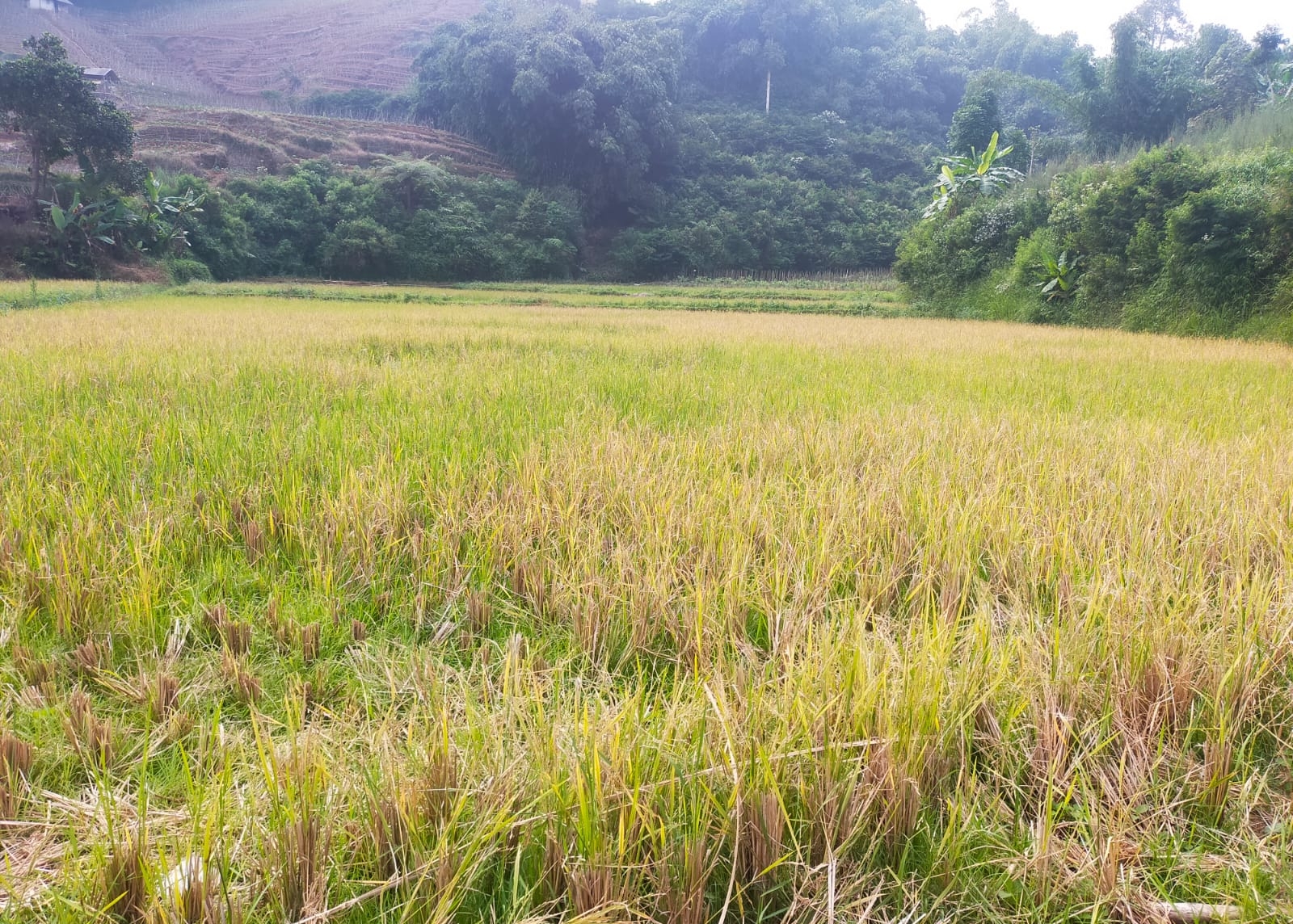
A one-hectare agricultural plot in Kampung Patrol, Cibeureum Village, Sukamantri District, Ciamis Regency, West Java, has suffered total harvest failure (puso). The failure occurred because the area lacks irrigation channels to water the rice fields, forcing farmers to abandon their land.
A farmer, 72-year-old Uham, a resident of Kampung Patrol, Cibeureum Village, said the dry season caused his farmland to experience both harvest and planting failures. Without irrigation channels to supply the one-hectare rice field, the land has dried up despite several days of rain.
“The farmland in Kampung Patrol, Cibeureum Village, consists mostly of rain-fed fields. Initially, there was water, so farmers dared to cultivate and plant rice. However, after several months of planting, some rice grains emerged but the leaves turned yellow and the soil dried out, resulting in total crop failure,” Uham said on Tuesday (16/6).
According to Uham, the drought in Sukamantri District has forced many tenant farmers to abandon their fields because all the planted rice failed, with yellowing leaves and empty grains. The failed crops have now become overgrown with grass and are being used as grazing land for sheep.
“Farmers have suffered losses because the land they worked is dry and overgrown with grass, and the rice plants turned yellow, leading to this year’s harvest failure. After experiencing losses on seeds, fertiliser, and tractor rental, farmers are now turning to establishing a Village Red and White Cooperative (KDMP),” he said.
Meanwhile, another farmer, 60-year-old Ucup from Rajapolah, said the current dry season has not yet caused drought impacts, as many farmers are still working the land and planting rice due to ongoing rainfall. However, some farmers have already abandoned other plots because the irrigation channels have dried up.
“The current dry season can still be managed because each farmer has a water pump and rainfall continues. But if the land is at a higher elevation, harvest failure is likely, and in some areas, farmers have already left their land because the water supply cannot be sustained,” he explained.