
Farmers Grow Concerned as Factories Confused by the One-Door CPO Export Regulation
Jakarta, CNBC Indonesia - The government’s plan to overhaul the palm oil export trade, including crude palm oil (CPO / minyak sawit mentah), is starting to cause anxiety on the ground. Palm oil operators say the direction of the new policy remains unclear because downstream rules such as PP, Permen and even the technical mechanisms have not been issued.
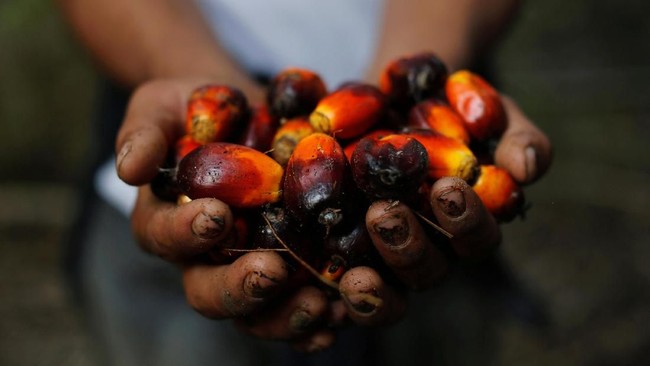
The situation is beginning to affect the supply chain of the national palm oil industry. A number of palm oil mills (PKS) are reportedly cautious about buying fresh fruit bunches (FFB) from farmers while waiting for certainty about the export mechanism that will apply.
Executive Director of the Palm Oil Agribusiness Strategic Policy Institute or PASPI, Tungkot Sipayung, urged the government to immediately provide an official explanation to avoid market speculation.
“These new policies are being interpreted variously by palm oil players because indeed PP, Permen and the mechanism have not yet been issued,” Tungkot told CNBC Indonesia on Friday (22/5/2026).
Government communication is the most urgent factor at the moment. After all, domestic markets and international buyers require certainty before making business decisions.
The lack of clarity in policy direction could trigger counterproductive reactions.
“To reassure players and the market, officials with authority need to explain in detail to palm oil players and international buyers so there is no misperception and counterproductive reactions,” he said.
The government has previously been preparing a major step in the palm oil export regime. President Prabowo Subianto even stressed that Indonesia must be a price setter for the world palm oil market, not merely follow prices formed abroad.
Prabowo also highlighted alleged under-invoicing practices in palm oil exports that are said to cause Indonesia’s export value to be far lower than the import data of destination countries. The government even claimed to have found a very large discrepancy in export values in a number of CPO transactions.
On the other hand, industry players say changes to the export regime must be made carefully to avoid causing panic at the industry level. After all, the palm oil industry involves a large economic chain from farmers, PKS, exporters to global buyers.
Tungkot says the government must ensure a smooth policy transition so farmers are not the first to bear price pressure.
“These days, the price of FFB at the farmer level has fallen because PKS is unsure whether exports can still proceed or what the situation is. It is the urgent issue that needs addressing so farmers are not the victims,” he asserted.