
Farmer and Trader Train Service Has Served 17,867 Passengers Up to 11 May 2026
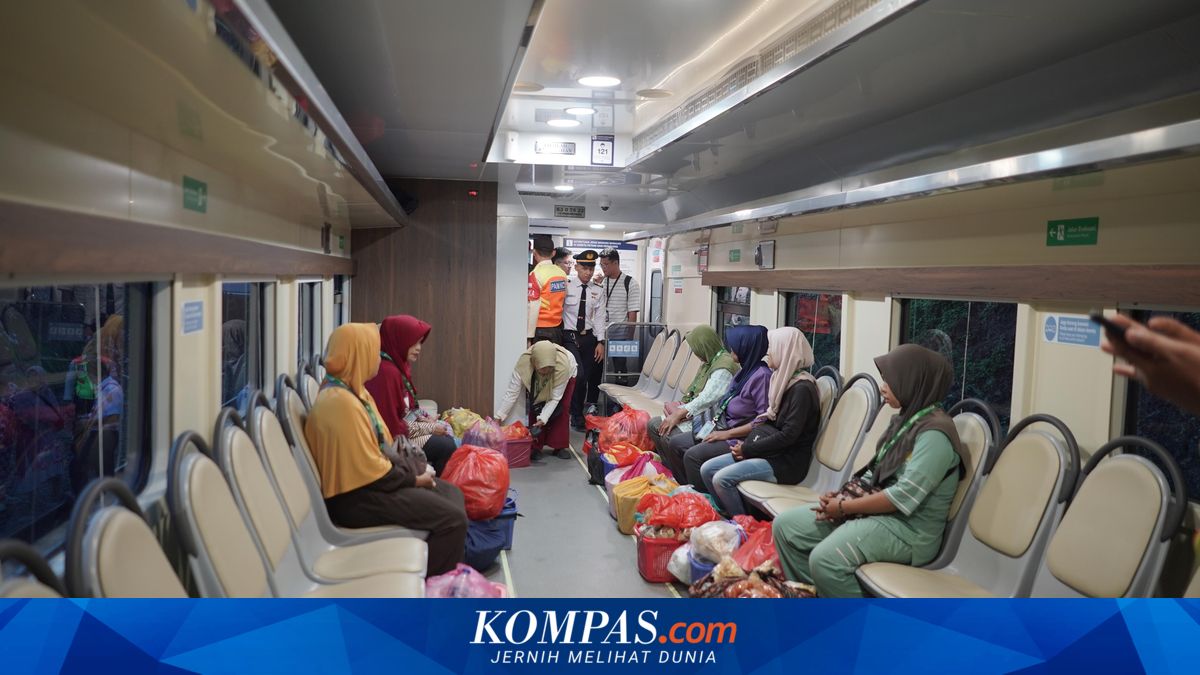
JAKARTA, KOMPAS.com - PT Kereta Api Indonesia (Persero) records that the Farmer and Trader Train service on the Merak-Rangkasbitung route has been utilised by 17,867 customers throughout the period from 1 January to 11 May 2026.
KAI Vice President of Corporate Communication, Anne Purba, stated that this service is one of the efforts to provide transportation that is close to the needs of small communities, particularly farmers and traditional market traders.
“For small farmers and traders, the difference in travel fares is very significant. When distribution costs are lighter, they can bring more harvest yields, keep their businesses running, and maintain family income,” said Anne in a written statement on Tuesday (12/5/2026).
The Farmer and Trader Train began operating on 1 December 2025 with a fare of Rp 3,000 per trip under the Public Service Obligation (PSO) scheme.
The train serves the Merak-Rangkasbitung return route every day with a total of 14 trips, consisting of 7 trips from Merak and 7 trips from Rangkasbitung.
According to Anne, the existence of this service also helps accelerate the distribution of agricultural commodities to markets, so that harvests can arrive in fresher condition and have a better selling value.
“When food distribution runs smoothly, the benefits are felt by many parties,” explained Anne.
“Farmers are helped in bringing their garden produce, traders find it easier to maintain their merchandise supply, and the public gets fresher food ingredients in the market,” Anne continued.
To use this service, farmers and traders register at the station ticket counter using their ID card to obtain a special customer card.
KAI has also adapted the train facilities to the needs of customers carrying agricultural produce and merchandise.
The train is equipped with side-facing seats with a capacity of 73 passengers, wider doors, and storage space for carry-on goods to make boarding and alighting easier.
Anne added that the service demonstrates how public transportation can directly connect with people’s daily lives, from agricultural activities to the circulation of the traditional market economy.
“In every journey of this train, there is harvest produce that has been nurtured with hard work for months. There are traders who set off at dawn to keep their businesses alive,” said Anne.
“When the journey becomes lighter and distribution smoother, the community can feel benefits that are close to their daily lives,” Anne concluded.