
FAO praises Indonesia’s progress in reducing hunger ahead of World Food Day 2026
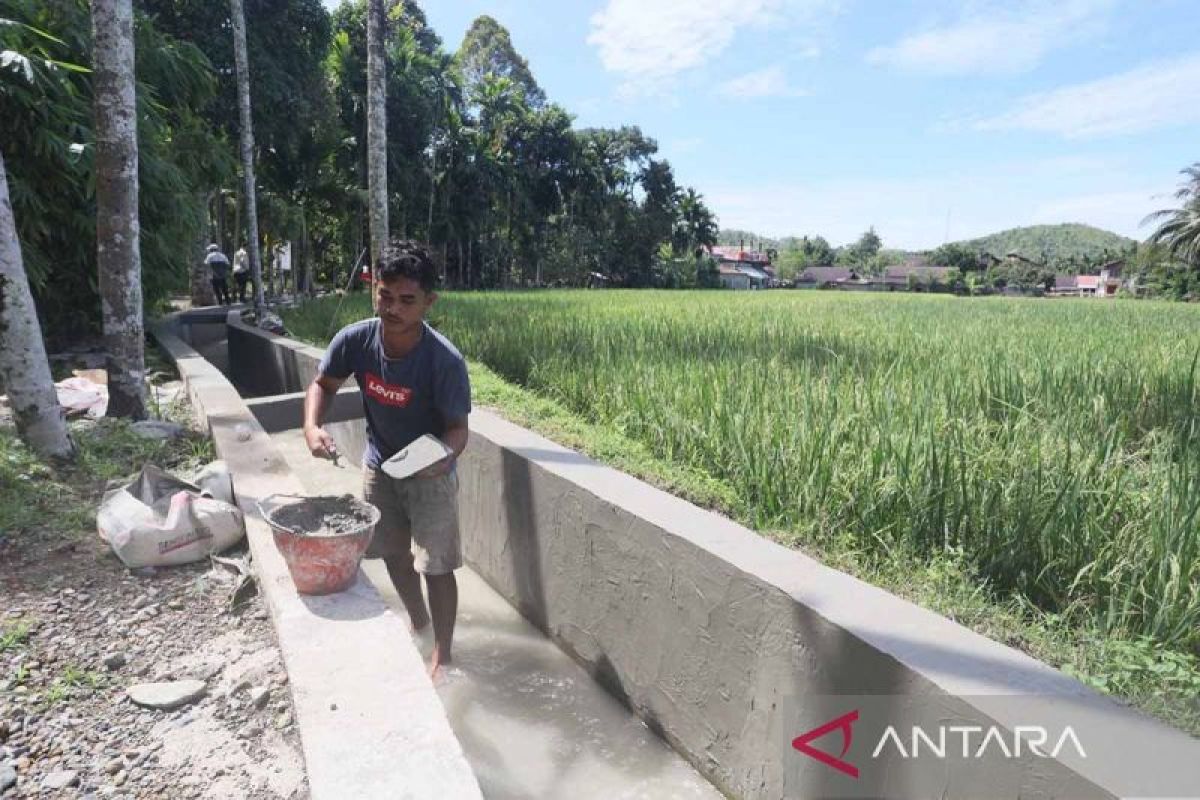
Indonesia has good irrigation systems, logistics infrastructure and innovation
Jakarta (ANTARA) – The Food and Agriculture Organization of the United Nations (FAO) has praised Indonesia’s progress in reducing hunger ahead of World Food Day on 16 October 2026, while calling for innovation to be expanded to improve access to nutritious food.
The FAO said its 2026 State of Food Security and Nutrition in the World (SOFI) report recorded a fall in Indonesia’s prevalence of hunger from 18.4% in 2004–06 to 6.3% in 2023–25.
“Indonesia has good irrigation systems, logistics infrastructure and innovation, which have supported the country’s progress in tackling hunger,” FAO Representative in Indonesia and Timor-Leste Rajendra Aryal said in an official statement received in Jakarta on Thursday.
The FAO said the government’s sustained investment in raising agricultural productivity, developing irrigation, strengthening logistics and food distribution, and improving nutrition had contributed to the decline in hunger.
Aryal said this progress needed to be extended so that people could obtain nutritious food more easily, including fruit, vegetables and animal-source foods.
“To make healthy food accessible to all Indonesians, this success needs to be expanded to include fruit, vegetables and other nutrient-rich foods,” he said.
The FAO stressed that food investment must reach underserved areas, small-scale food producers and low-income communities so that the benefits of increased food production and distribution are shared more equitably.
The call is in line with the theme of World Food Day 2026: “Innovate Today, Nourish Tomorrow”.
According to the FAO, innovation should be advanced through collaboration between government, businesses, development partners and communities, raising productivity while widening access to nutritious food and strengthening farmers’ resilience to climate change.
Such innovation includes digital agricultural advisory services, early-warning systems, nutrient sensors and precision irrigation to improve farming efficiency.
The FAO also emphasised inclusive financing for smallholders and food-processing technologies to reduce food loss and waste, create added value and support a circular economy.
These approaches are expected to create business opportunities while increasing food producers’ incomes.
Local and Indigenous knowledge can also be combined with modern technology to help farmers adapt to climate change and environmental challenges.
Alongside increased production, Aryal highlighted the importance of adequate, diverse, balanced and safe diets to address different forms of malnutrition, including anaemia, stunting, obesity and diabetes.
“A diet that prevents hunger does not necessarily prevent malnutrition. Healthy food is needed to meet nutritional requirements and live an active, healthy life,” he said.
The FAO said the SOFI 2026 report put the cost of a healthy diet in Indonesia at about US$5 (around Rp89,000) per person per day in 2025, based on purchasing power parity (PPP).
The affordability of nutritious food remains a challenge. The FAO has called for stronger production, distribution, infrastructure and technology to widen access, particularly for low-income groups.
The FAO also highlighted the empowerment of women farmers by expanding their access to finance, technology, information, infrastructure and markets.
The United Nations has designated 2026 the International Year of the Woman Farmer to strengthen policy support and investment for women in the food and agriculture sectors.
Aryal said proven innovations must be available, affordable and practical for small-scale farmers, including women, so that the benefits of stronger food systems reach more people.
Through innovation and cross-sector collaboration, the FAO hopes hunger will continue to decline alongside improvements in nutrition and farmers’ welfare.
Meanwhile, the government is expanding nutrition provision through its Free Nutritious Meals (MBG) programme.
According to a Finance Ministry report, as of 30 September 2026 the programme had reached around 57 million beneficiaries through 27,486 Nutrition Fulfilment Service Units (SPPG), with spending totalling Rp153.2 trillion.
The National Food Agency (Bapanas) reported that 967,500 tonnes of rice food aid for July–September 2026 had been distributed, equivalent to about 97% of the allocation. The government is also continuing food assistance for October–December 2026.
State-owned Bulog said domestic procurement of paddy and rice had reached 4.12 million tonnes in rice equivalent as of 8 October 2026, or 102.88% of its 4-million-tonne target. The procurement is intended to strengthen the Government Rice Reserve (CBP) and national food availability.
Source: jawawa.id (https://jawawa.id/newsitem/fao-praises-indonesias-progress-in-reducing-hunger-ahead-of-world-food-day-2026-1792072341)
Originally published by Antara (Indonesian) (https://www.antaranews.com/berita/5789521/fao-apresiasi-penurunan-kelaparan-ri-jelang-hari-pangan-sedunia-2026), translated from Indonesian