
FAO: Middle East Conflict Drives Up Global Food Prices
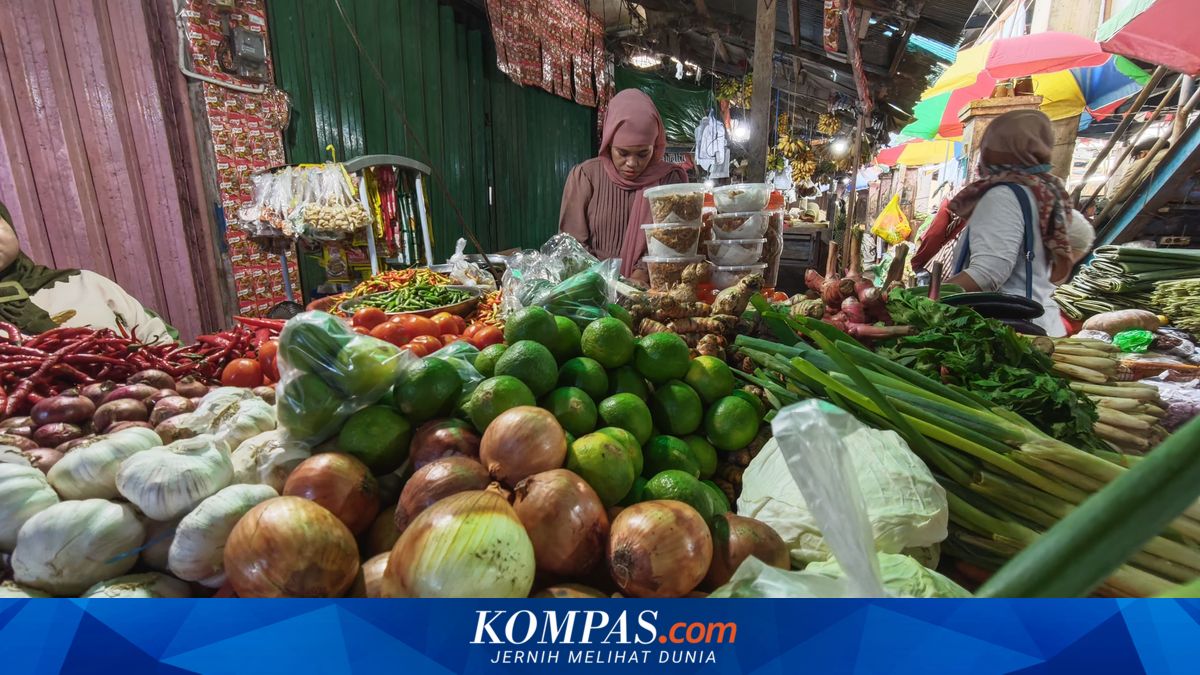
Global food prices rose again in March 2026 after a period of decline in the preceding months. The United Nations Food and Agriculture Organisation (FAO) noted that this surge was mainly driven by higher energy costs resulting from the escalation of conflict in the Middle East, which has begun to spill over into the global food supply chain. According to the latest FAO report, cited on Tuesday (14 April 2026), the Food Price Index (FFPI), an indicator measuring monthly changes in global food commodity prices, increased for the second month in a row. In March 2026, the global food price index reached 128.5 points, up 2.4 per cent from February. This rise occurred across nearly all commodity groups, though at varying levels. FAO emphasised that the increase reflects not only fundamental market conditions but also the direct impact of surging energy costs triggered by geopolitical conflict. “The price increase since the conflict began has been relatively small, mainly driven by higher oil prices and offset by abundant global cereal supplies,” said FAO Chief Economist Maximo Torero. The global food price rise in March 2026 was primarily propelled by sharp increases in vegetable oil and sugar prices, which are highly sensitive to energy price changes. FAO recorded a 5.1 per cent increase in the vegetable oil price index compared to the previous month, continuing an upward trend for three consecutive months. This rise was triggered by higher prices for palm oil, soy, sunflower, and rapeseed. Meanwhile, sugar prices recorded the sharpest increase, at 7.2 per cent month-on-month. FAO attributed this rise to expectations that Brazil would allocate more sugarcane to ethanol production, in line with rising global energy prices.