
FAO: Disruptions in Hormuz Trigger Risk of Global Food Crisis
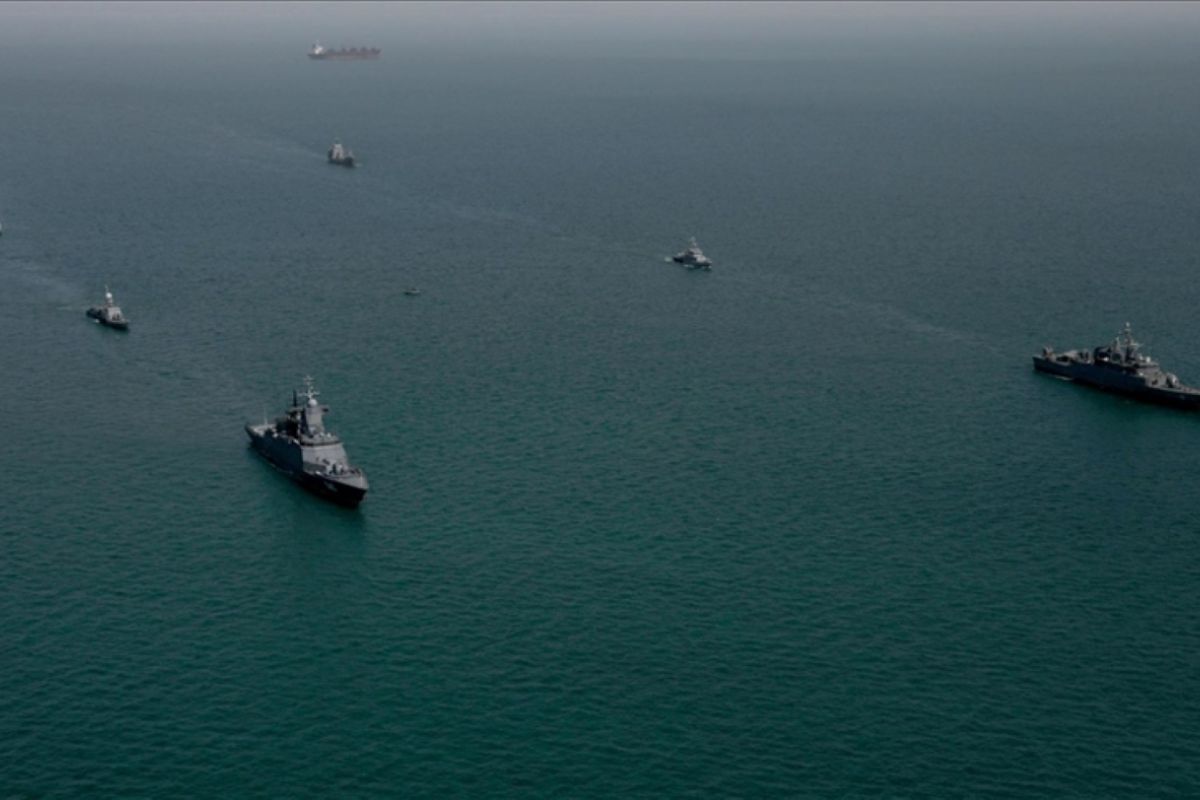
Istanbul - The United Nations Food and Agriculture Organisation (FAO) has warned that disruptions to shipping in the Strait of Hormuz risk triggering a global food crisis due to hampered supplies of fertiliser and energy, as well as rising food prices.
In a statement on Monday, the FAO said that ships carrying fertiliser and energy need to resume passage immediately to prevent prolonged disruptions to supplies.
FAO Chief Economist Maximo Torero stated that time is of the essence, and poor countries are most vulnerable to the impacts because they depend on these supplies for the planting season.
He added that harvests could decline and food prices could rise next year, which may prompt governments to take measures to suppress domestic prices.
The FAO noted that global food prices in March remained relatively stable due to sufficient supplies, particularly of wheat and cereals, but pressures are expected to increase in April and May.
Meanwhile, Head of the FAO’s Economics Division, David Laborde, said the world is already facing supply issues with essential materials and warned against them turning into a disaster.
The FAO has urged countries not to restrict exports of energy and fertiliser and to be cautious with biofuel use, as it could reduce food supplies.
The agency also recommends using international financial assistance, including from the International Monetary Fund, to quickly help countries in need of fertiliser.
The FAO records that around 20 to 45 per cent of essential agricultural inputs pass through the Strait of Hormuz, so even minor disruptions can have a major impact on prices.
The body also warns that risks could be greater if weather conditions like El Niño intensify.