
FAO: Agriculture Receives Just 4% of Global Climate Finance
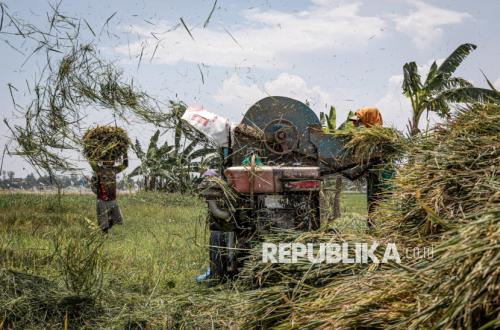
The United Nations Food and Agriculture Organization (FAO) has revealed that the agriculture sector, highly vulnerable to climate crises, receives only 4% of total climate adaptation and mitigation funding. The statement follows a joint report by the World Meteorological Organization (WMO) and FAO on the impacts of global warming on food systems, ecosystems, and human life. The report warns that certain regions may face 250 days too hot for outdoor work. WMO and FAO stress the need for improved early warning systems and climate-resilient farming practices. FAO Assistant Director-General and Director of the Climate Change, Biodiversity and Environment Office, Kaveh Zahedi, stated that climate change impacts on agriculture worsen each year. He noted a 1°C temperature rise reduces yields of key crops by 6%. Rice, maize, wheat, and soybean harvests have already declined. These staples provide 60% of the world’s calories, Zahedi said, stressing the need to prepare farmers for climate crises to safeguard global food security. ‘Farmers cannot prepare for what they do not know will happen. Therefore, multi-hazard early warning systems are one of the smartest investments we can make to protect farmers and food security from extreme heat,’ Zahedi said. Despite gaps in internet and mobile phone usage, Zahedi said early warning systems remain vital for protecting the most vulnerable. He noted barriers can be overcome using alternative communication methods such as SMS, community radio, or local government announcements. He stressed the importance of ensuring farmers receive timely and effective information, regardless of delivery method. Zahedi added that support must go beyond early warnings, providing actionable guidance for farmers to take steps. ‘They need more than just information about extreme heat. We need to go further and tell them exactly what to do,’ he said. Zahedi said farmers need training on protecting soil moisture through mulching, water storage, shifting irrigation to cooler hours, or using shade nets to protect crops. ‘Practical, actionable advice must go hand-in-hand with early warning systems,’ he said. Zahedi stated that available climate finance remains far below the sector’s needs. ‘When looking at climate finance, our analysis shows only around 4% of public climate funds are allocated to agriculture and building resilience in the sector,’ he said.