
Famous Wolverine Conservation Programme in Sweden Now Facing Failure
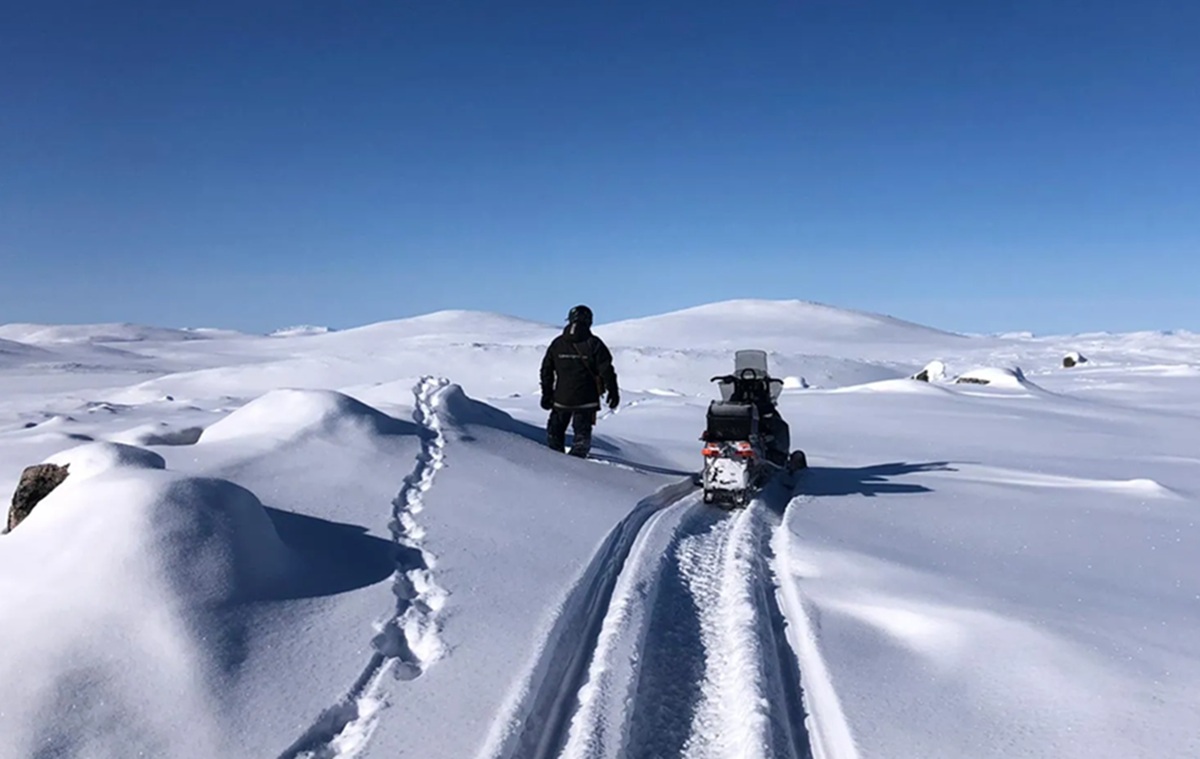
A world-renowned conservation programme that once saved the wolverine from extinction in Sweden is now facing significant difficulties. According to recent research, the stagnation of government funding and the erosion of trust among local communities are the primary drivers of this decline.
In 2015, Sweden drew international attention through the success of the Conservation Performance Payment (CPP) programme. This long-standing initiative was originally designed to benefit both the wolverine population and the indigenous Sámi reindeer herders who share their habitat with the predator. Unlike traditional compensation systems that pay for damages after they occur, the CPP pays communities for successfully coexisting with the predator.
However, a long-term study from the University of York and the Swedish Agricultural University, published in the journal Conservation Letters, shows that this initial success is now difficult to maintain. Dr Hanna Pettersson from the Leverhulme Centre for Anthropocene Biodiversity, University of York, explained the programme’s original mechanism: “Implemented in 1996, the scheme was revolutionary at the time. Rather than paying reindeer herders for damage caused by predators, the government paid the community to coexist with them, regardless of whether actual damage occurred.”
“The idea was to link income to the presence of predators, providing an incentive to find ways to live alongside them, thereby reducing conflict and increasing social justice. Early findings showed encouraging results, including a significant increase in the wolverine population, but after studying 30 years of data, we have shown that this success is unsustainable,” added Dr Pettersson.
Ecological data indicates that wolverine populations are now declining sharply in northern Sweden, particularly in areas like Norrbotten County, which was once a stronghold. In the early 2000s, Norrbotten accounted for approximately two-thirds of all documented wolverine reproduction in Sweden; that figure has now plummeted to less than one-third, and the region has repeatedly failed to meet minimum conservation targets.
Financial issues have become a crucial factor. “Payments to reindeer herders from this scheme have been frozen at 200,000 SEK (approximately £15,000) per predator reproduction since 2002, but due to rising costs and meat prices, the real value of these payments has decreased by about half over the last two decades,” said Dr Pettersson.
She continued that while the Sámi Parliament calculates that legal payments should be at least 480,000 SEK to comply with the law, the government only offered an increase of 25,000 SEK in 2024.
In addition to funding issues, climate change presents a new obstacle. Changing snow conditions in the Arctic region make wolverine tracks increasingly difficult to detect and officially document, leading to many observation reports being rejected due to strict documentation requirements.
According to Dr Pettersson, the situation in Sweden serves as a stark warning for other global conservation programmes. “If governments fail to adjust payments to meet the rising costs of coexistence, the burden is shifted to local communities that are often marginalised—in this case, already burdened by the cumulative impacts of mining, forestry, and climate change. This is a warning sign for other global conservation efforts. Governments must plan for the future and adapt interventions to changing conditions and local needs,” she concluded.