
Family: The First School That Determines the Nation's Future
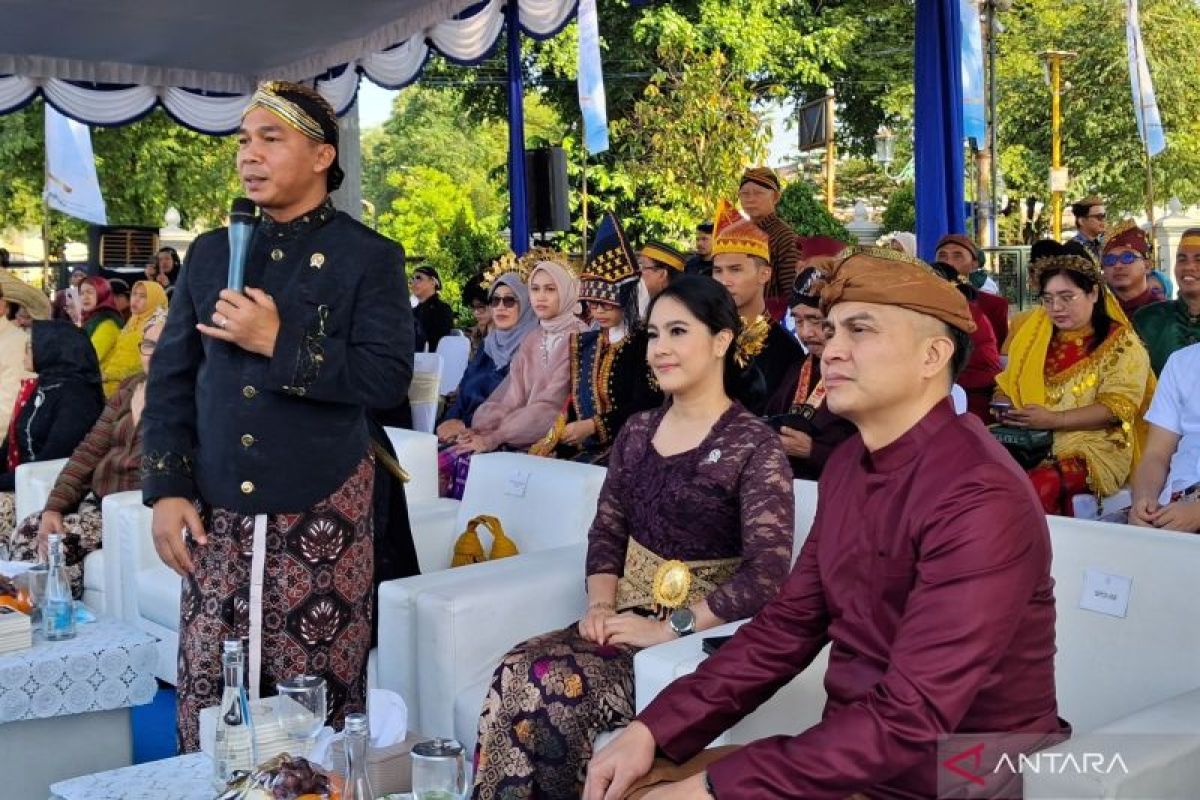
Jakarta (ANTARA) - The National Family Day (Harganas) commemoration on 29 June 2026 should not merely remain an annual ceremony. This momentum invites us to reflect on a fundamental reality: Indonesia’s future is not first built in classrooms, but within the family home.
It is within the family that a child first learns to speak, to love, to respect, to cooperate, and to distinguish between right and wrong. The family is the first school, as well as the school of life.
However, amidst rapid digital technological developments, economic pressures, and changing social relationship patterns, the function of the family as the primary educational institution faces increasing challenges. Many parents succeed in meeting their children’s material needs but do not always have enough time to be emotionally present. Consequently, gadgets are slowly replacing conversation, social media is taking over the parental role, and algorithms are becoming the new “teachers” for children.
Empirical data shows that these challenges are real. According to the Central Bureau of Statistics through the 2024 National Socio-Economic Survey (Susenas), internet access among Indonesian children and adolescents continues to increase year by year. Currently, 79.5 per cent of the Indonesian population, or approximately 221 million people, have accessed the internet, up from the previous 69.21 per cent.
On the other hand, various surveys from the Ministry of Communication and Digital (2026) show that 80 per cent of children (under 18 years old) spend 7 hours every day using the internet, primarily for social media, videos, and digital games. This high level of digital exposure is prompting the government to take stricter protective measures.
These facts demonstrate that the process of child socialisation is increasingly influenced by the digital world rather than direct interaction within the family.
Findings from UNICEF also indicate that the quality of parenting has a profound influence on a child’s cognitive, social, and emotional development. Children who achieve emotional attachment with their parents tend to have better academic performance, stronger mental health, and the ability to build healthy social relationships.
This view aligns with the educational philosophy of Ki Hajar Dewantara. He emphasised that the family is the first and primary centre of education. While schools develop knowledge, the foundation of character is formed first at home. Education is not merely the transfer of knowledge, but the formation of character through exemplary behaviour.