
Families of Executed Prisoners in Saudi Arabia Unable to Bury Deceased Relatives
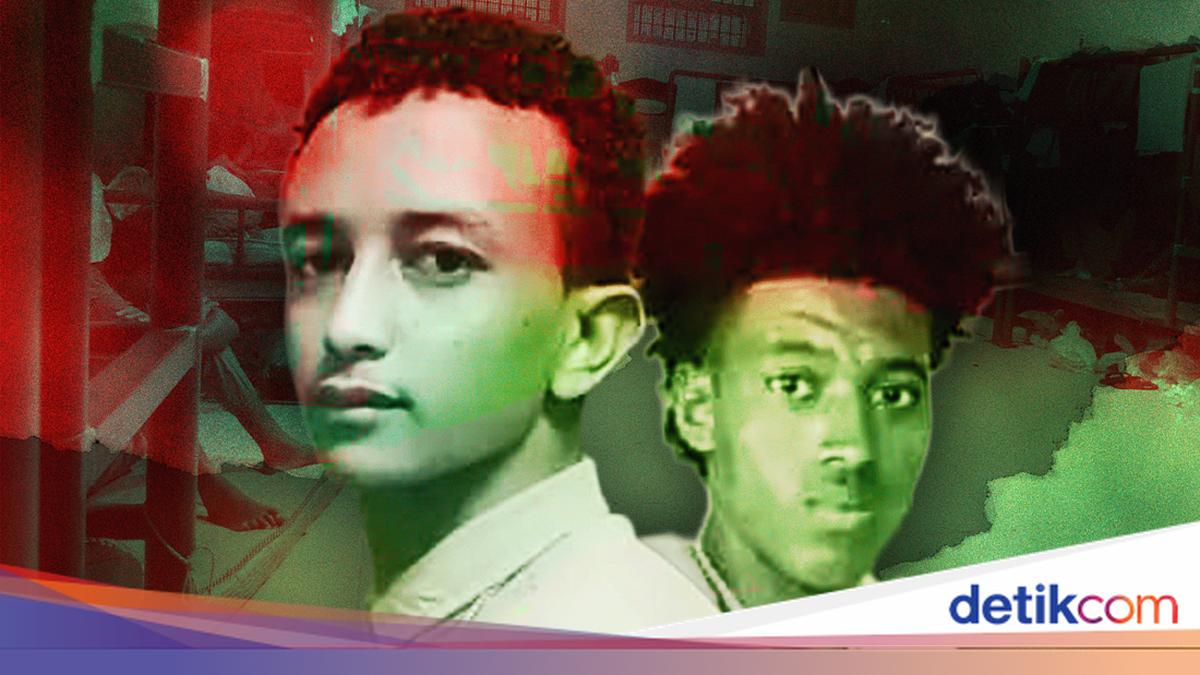
“We have performed all these rituals to help the family accept the reality that he has passed away and to find peace. But I myself will never find that peace,” said Kinfe Aregawi, a father grieving the death of his son, Kibrom.
“This regret and sadness will stay with me for a lifetime.”
Kibrom Kinfe Aregawi was one of five Ethiopian citizens executed in June this year after being found guilty of smuggling cannabis into Saudi Arabia. The kingdom consistently ranks among the countries with the highest number of executions globally, following only China and Iran.
For many Ethiopian Orthodox Christians, a funeral conducted according to religious rites is a vital part of their faith. The deceased are typically wrapped in specific shrouds and laid in wooden coffins. However, this was impossible for the 25-year-old man because his body was not returned to his family.
According to Human Rights Watch (HRW), Saudi Arabia executed 116 people between January and 27 July. Duaa Dhainy, a senior researcher at the European Saudi Organisation for Human Rights (ESOHR) and a consultant at Reprieve MENA, stated, “The refusal to hand over the body is not merely an administrative issue. This practice extends the punishment to the families of those executed.”
The UN Special Rapporteur on freedom of religion or belief, Nazila Ghanea, described the alleged practice by Saudi Arabia of withholding the bodies of executed individuals as a form of “torture and cruel treatment.”
According to the families, the five Ethiopians executed on 23 June at the Khamis Mushait facility in the Asir Province of southern Saudi Arabia received no prior notification of the executions. They also reported that they did not receive any personal belongings or death certificates of their relatives.
“Not being able to see my son’s body makes my heart feel very heavy,” said Letechristos Gebretsadik, the mother of Tsigabu Gebremariam (Mebrahtom).
Kibrom Kinfe Aregawi first travelled to Saudi Arabia in 2020 with his father, also named Kinfe, without a valid visa. They were arrested, imprisoned for 15 months, and subsequently deported. However, due to the civil war in Ethiopia, Kibrom decided to return to Saudi Arabia, crossing the Red Sea on a crowded boat and travelling overland through Yemen.
In 2023, Kibrom was re-arrested by Saudi authorities while crossing the border and charged with drug smuggling. According to Kinfe, after three months in detention, his son was found guilty and sentenced to death. After three years in prison, he was executed last June.
“He did not even have the chance to speak to us,” Kinfe said through tears. “I learned of his death through social media.”
Kinfe believes his son was innocent and was unjustly punished in Saudi Arabia. “There is no evidence showing my son was involved in cannabis smuggling. No one has given me his death certificate, his personal belongings, or his body. I can only weep and mourn in silence. What else can I do?”
Despite holding symbolic funeral services, the families of the executed prisoners say they will continue to feel a sense of loss as long as their relatives cannot be buried according to Christian traditions.
On the same day and in the same prison, Tsigabu Gebremariam was also executed after being convicted of the same offence. The 26-year-old was the eldest of eight siblings from a rural district in Central Tigray, Ethiopia. According to his father, Hagos Gebremeskel, Tsigabu left his home at age 18 to escape poverty and the civil war. “There are not many jobs for young people in our area. He went to Saudi Arabia to help me,” Hagos said.
Tsigabu was convicted of drug smuggling and served three and a half years in prison. He last spoke to his family in February. “He said he would come home soon and get married,” Hagos told the BBC.
His mother, Letechristos Gebretsadik, had even begun searching for a suitable bride for her son. Instead, she ended up managing his funeral arrangements. “All my children are girls; he was my only son. His sisters were so hoping their brother would return soon. They had even prepared songs for his wedding party. Now, the heartbreak they feel is greater than mine,” she said.
After learning of Tsigabu’s execution from relatives in Saudi Arabia, his Orthodox Christian family held a symbolic funeral and prayer service at a local church. “I want to know why his body has not been returned,” said Letechristos, who observed the 40-day mourning period according to tradition. “This makes our grief even heavier and heart-breaking.”
Tsigabu’s parents have called on Saudi authorities to provide evidence of the crimes alleged against their son and have questioned whether other parties may have exploited him.
Source: jawawa.id (https://jawawa.id/newsitem/families-of-executed-prisoners-in-saudi-arabia-unable-to-bury-deceased-relatives-1790769777)
Originally published by detikcom (https://news.detik.com/bbc-world/d-8686519/keluarga-korban-eksekusi-di-arab-saudi-tak-bisa-makamkan-jenazah-kerabat), translated from Indonesian