
Fallout from MBG Corruption: Attorney General's Office to Audit All Procurement at National Nutrition Agency
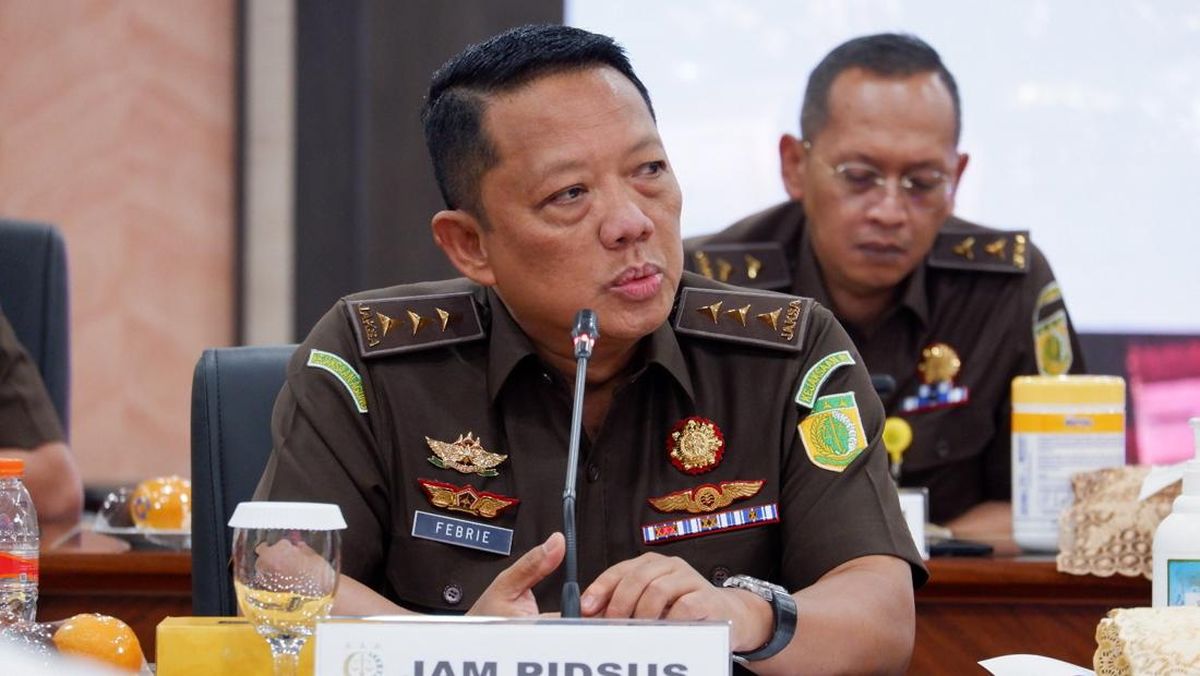
The Attorney General’s Office has stated it will examine all procurement of goods at the National Nutrition Agency (BGN) in the wake of the alleged corruption case in the governance of the Free Nutritious Meal (MBG) programme. Junior Attorney General for Special Crimes, Febrie Adriansyah, said that price mark-ups are currently suspected in the procurement of electric motorbikes, shoes, tablets, and televisions. However, he stated that investigators, together with the Financial and Development Supervisory Agency (BPKP), will check every procurement item for the MBG programme. “All of it, every procurement. We are scrutinising it and we are cooperating with the BPKP on this. Later, we will see the fairness of the prices. We are opening everything up,” he told reporters at the Asset Recovery Office on Monday (15/6).
Febrie said his office is still investigating the exact amount of the mark-up and the profits received by the suspects. He assured that this thorough investigation is being carried out to restore the MBG programme to its original plan. “If it turns out the vendors are genuinely from the local area around there, with their vegetables and chickens—that is what we hope for. That is why we are processing this, we are opening this up, and we are pushing for how the good objectives of this MBG programme can be achieved, we are ensuring its success,” he said.
The Attorney General’s Office has named a total of five suspects in the corruption case concerning the governance of the 2025-2026 Free Nutritious Meal programme. The five are former Head of BGN Dadan Hindayana; former Deputy Heads of BGN Sony Sonjaya and Lodewyk Pusung; an associate of Sony, Asep Yusuf Somantri (AYS); and the Commissioner of PT. Yasa Artha Trimanunggal (YAT), Andri Mulyono. In this case, the Attorney General’s Office explained that the MBG programme was supposed to be managed by the Nutrition Service and Fulfilment Unit (SPPG) foundations affiliated with recipient schools. However, in practice, many SPPGs were appointed because they had affiliations with BGN officials. Additionally, many foundations did not actually meet the requirements to become SPPG partners. Furthermore, there was a mark-up in the procurement prices of goods, resulting in losses that did not support the operational implementation of the MBG. The items involved include 21,801 electric motorbikes worth Rp1.03 trillion, 32,000 pairs of shoes, 31,994 tablets, and 5,400 75-inch televisions.