
Falkland or Malvinas: Spotlight Returns After Argentina vs England World Cup Qualifier
The Falkland Islands, or Islas Malvinas, have returned to the spotlight after Argentina’s national football team unfurled a banner reading ‘Las Malvinas Son Argentinas’ (‘The Malvinas belong to Argentina’) following their victory over England in a 2026 World Cup qualifier. The action prompted a response from British Prime Minister Keir Starmer, who asked FIFA to investigate. Behind the polemic, the islands hold a long history involving a sovereignty dispute between Argentina and Britain spanning more than a century.
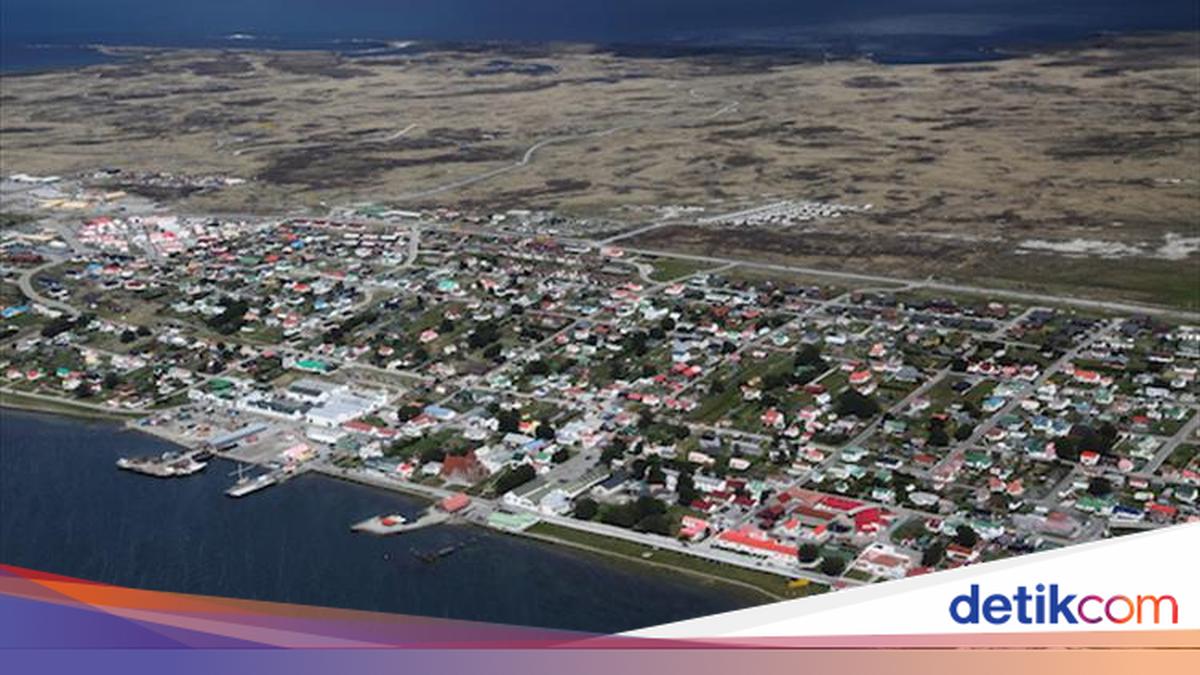
According to the United Nations, the Falkland Islands, or Islas Malvinas, are an archipelago in the South Atlantic Ocean located approximately 500 kilometres from the coast of Argentina. The territory consists of two main islands, East Falkland and West Falkland, along with hundreds of smaller surrounding islands. The Falkland Islands Government states the territory is currently a self-governing British Overseas Territory, where the local government manages most internal affairs, whilst Britain is responsible for defence and foreign relations.
Argentina maintains the islands are part of its national territory inherited after independence from Spain, arguing that Britain took over the territory in 1833. Conversely, the British Government asserts that the future of the islands must be determined by the Falkland community through the principle of self-determination. The dispute peaked in 1982 when Argentine forces landed and took control, leading to a 74-day war that ended with the Argentine surrender on 14 June 1982.
Currently, the Falkland Islands remain under British administration. In a 2013 referendum, 99.8 per cent of voters supported remaining a British Overseas Territory. Argentina does not recognise the result, arguing the principle of self-determination cannot be applied because the current population was formed after the British occupation. The UN continues to encourage both countries to resume dialogue and seek a peaceful resolution.