
Fajar 2026 held to strengthen Central Java's halal industry chain
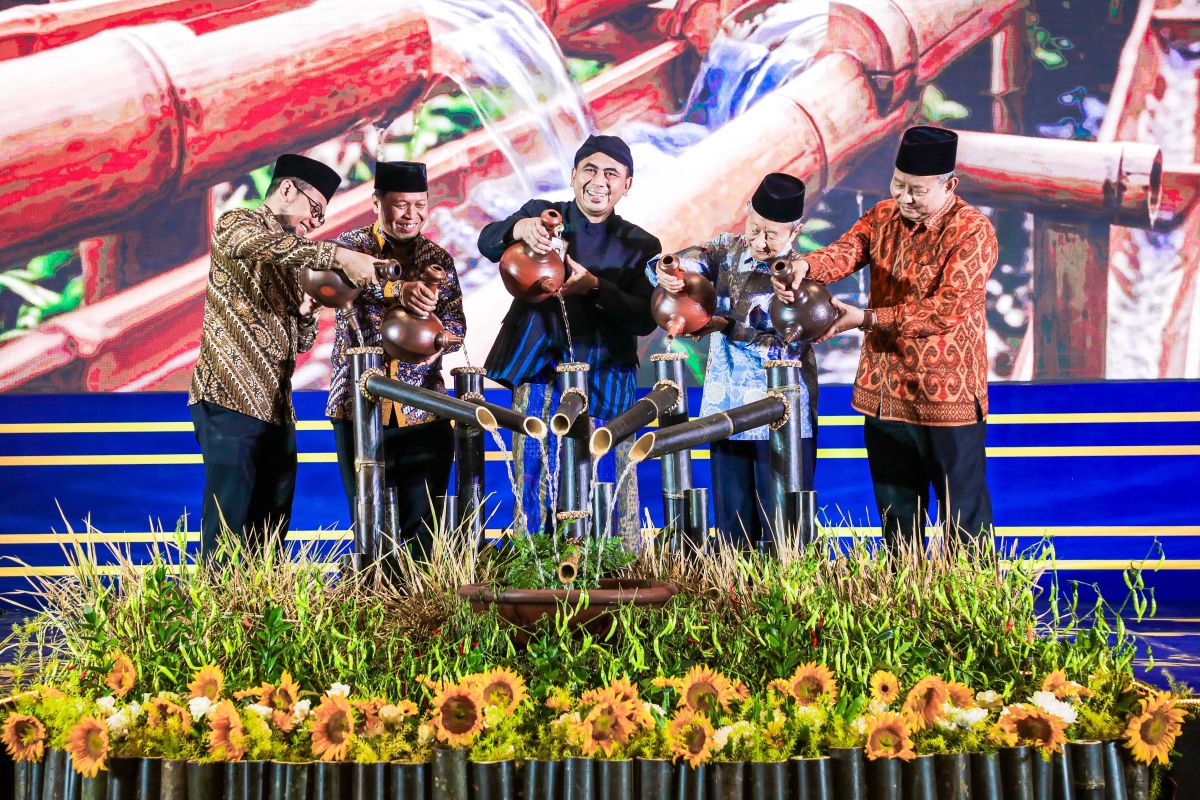
The Central Java Sharia Festival (Fajar) 2026 has been held again by the Bank Indonesia Representative Office for Central Java Province and the Central Java Provincial Government to strengthen the halal industry chain.
Central Java Deputy Governor Taj Yasin Maimoen, while opening Fajar 2026 in Semarang on Thursday, said the festival was the result of a long-standing synergy between the Central Java Provincial Government and Bank Indonesia Central Java in developing the sharia economy and finance.
Not merely showcasing halal products, the event held at Queen City Mall Semarang on 6–9 August 2026 also opens wider market opportunities for MSME players.
According to him, this development direction will be further strengthened in 2027, alongside the development of a sustainable economy and Muslim-friendly tourism.
“We have been working with Bank Indonesia for a long time to grow the sharia economy,” said Gus Yasin, as he is familiarly known.
He explained that the development of the halal ecosystem is carried out from upstream to downstream, including through the construction of a halal slaughterhouse in Magelang Regency.
Then, a poultry slaughterhouse in Jepara Regency in cooperation with Islamic boarding schools, as well as the development of a Halal, Safe and Healthy Culinary area (KHAS).
The existence of halal-certified culinary areas, adequate worship facilities, and Muslim-friendly services will be an attraction for foreign tourists, particularly from Middle Eastern countries.
“When we talk about Muslim-friendly tourism, one of them is that the food court area has a halal certificate, there is assurance, and the places of worship are good,” he said.
Meanwhile, Head of the Bank Indonesia Central Java Representative Office M. Noor Nugroho said Fajar 2026 carries the theme “Accelerating Inclusive and Sustainable Sharia Economic and Financial Growth through Synergy in Strengthening Literacy and the Halal Value Chain”.
The theme emphasises the importance of strengthening public literacy while building the halal value chain from production to consumption.
According to him, the development of the halal value chain is carried out starting from the certification of livestock and poultry slaughterhouses, milling, to halal certification for MSMEs.
It is hoped that when both the demand and supply sides grow, the sharia economy can become a new source of growth for Central Java, while supporting the Muslim-friendly tourism programme being prepared by the provincial government.
“If supply and demand meet, hopefully it can become a new source of economic growth in Central Java,” he said.
The impact of Fajar is also directly felt by MSME players, namely Roni Abdul Ghoni from Toros Farm Sulaimaniyah Magelang, who admitted to regularly attending the festival over the past four years because it is effective in expanding the market.
He said that on ordinary days his product sales range from Rp1–2 million per day, but seeing the crowd of visitors, his daily turnover can reach Rp5–10 million.
“Festivals like this really help MSMEs because our products become better known to the public,” he said.