
Fahira Idris Provides 5 Recommendations to Ensure Presidential Regulation on Out-of-School Children Has Impact
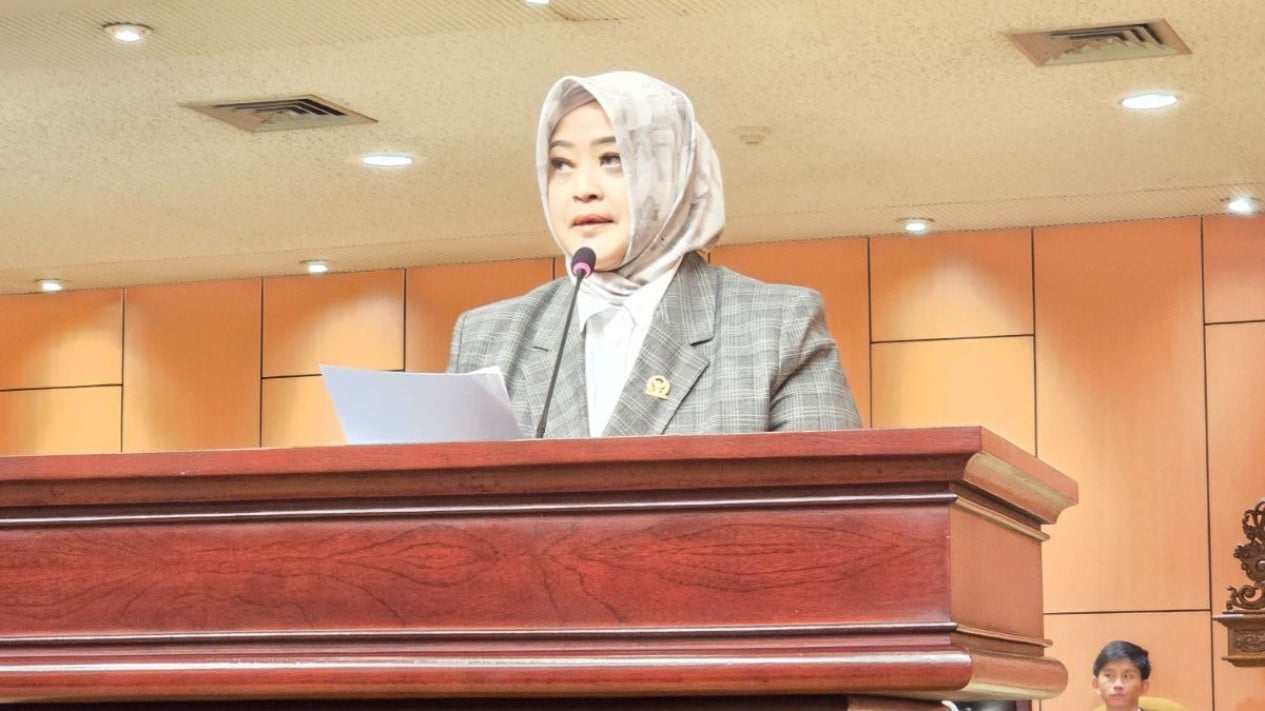
Jakarta, VIVA – Fahira Idris, a member of the Regional Representative Council (DPD RI) representing the Jakarta constituency, has welcomed the issuance of Presidential Regulation (Perpres) Number 3 of 2026 concerning the Prevention and Handling of Out-of-School Children (ATS).
According to Idris, the introduction of this regulation is a strategic step by the state to ensure every Indonesian child receives their right to education, while simultaneously accelerating the development of superior human resources towards the ‘Indonesia Emas 2045’ vision.
As an education observer, Fahira Idris noted that the issue of out-of-school children remains a significant national challenge. Various data indicates that millions of school-aged children have not received optimal educational services due to various factors, including poverty, limited access, child marriage, disabilities, and other social issues.
“The issuance of this Presidential Regulation deserves appreciation as it demonstrates the state’s seriousness in handling the issue of out-of-school children in a more systematic, integrated, and cross-sectoral manner. However, the real challenge lies in field implementation. Therefore, all parties must ensure that this regulation truly has an impact and is able to reach children who have been left behind by the education system,” Fahira Idris stated in a written release on Saturday, 6 June 2026.
Fahira Idris believes that education is not merely about schooling, but is also the primary instrument to break the cycle of poverty, prevent child marriage, reduce child labour, decrease vulnerability to violence, and improve the long-term quality of life for the community.
To this end, Fahira Idris presented five recommendations to ensure that the implementation of the Presidential Regulation on the Prevention and Handling of Out-of-School Children delivers real impact.
First, the establishment of a single database for out-of-school children, based on names and addresses down to the RT/RW (neighbourhood/community unit) level. Fahira Idris observed that one of the main obstacles in handling out-of-school children has been discrepancies in data between agencies, which causes many children to be missed by government programmes.
Therefore, data collection must be integrated, accurate, and regularly updated by involving local governments, schools, sub-districts, villages, and the community.
“The principle is simple: if we do not know exactly who the children are and where they are located, any intervention will be ineffective. Accurate data collection is the foundation for the success of all programmes to handle out-of-school children,” said Fahira Idris.