
Fadli Zon Sets Target for 1,750 National Cultural Heritage Sites to be Completed by 2026
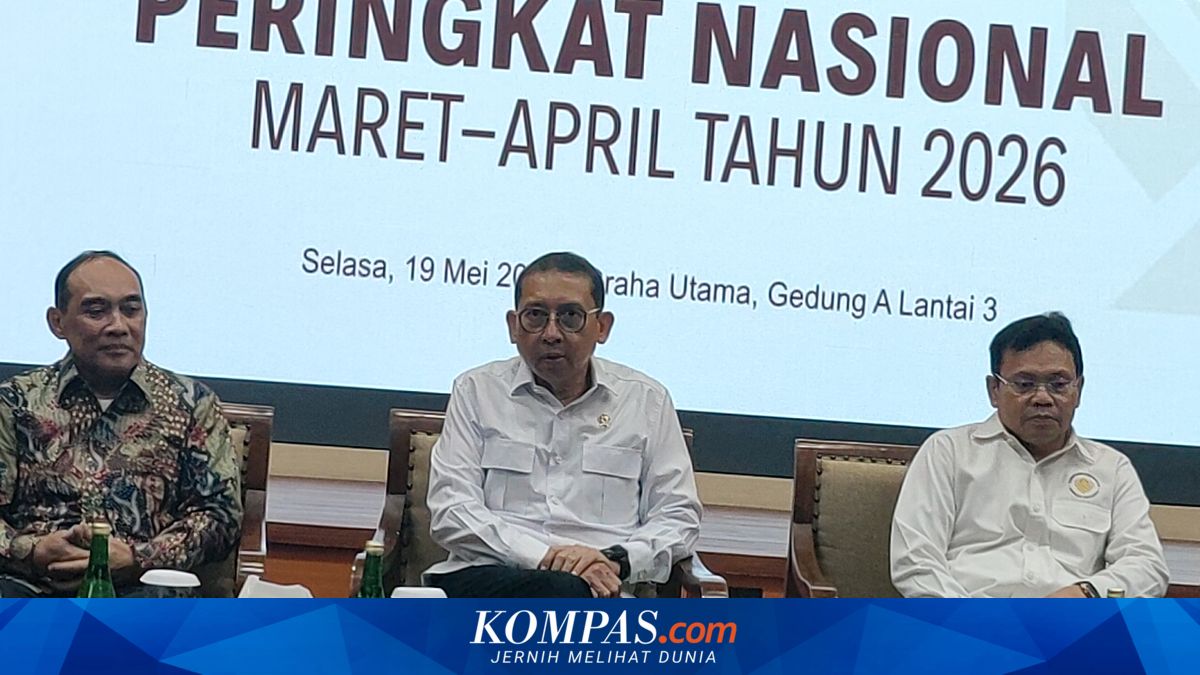
JAKARTA — Culture Minister Fadli Zon has targeted the designation of 1,750 national cultural heritage sites by the end of 2026. The government even opened the possibility that the number could exceed 2,000 objects. He announced the target at a media briefing on the designation of national-level cultural heritage on Tuesday, 19 May 2026.
“We hope to reach the 1,750 target. God willing, above 2,000. So that we are not late in recording this as our national heritage,” Fadli said at the briefing on Tuesday.
He said the acceleration of the designation of national cultural heritage is necessary because, until now, the number of designated objects has been very small compared with Indonesia’s cultural heritage wealth.
In 2024, the number of designations recorded was 10 objects, while in 2025 it rose to 85 objects.
Therefore, the Ministry of Culture decided to accelerate designations in 2026 by conducting designations up to three times a year.
“This year, we will carry out three times, because I have asked the Director-General to accelerate the designation of national cultural heritage,” he said.
He noted that many sites and cultural objects in Indonesia are indeed eligible for national cultural heritage status, but are hampered by lengthy bureaucratic processes.
According to Fadli, the designation of cultural heritage must pass through stages from district/city level to provincial and then national.
He cited the Baiturrahman Grand Mosque in Aceh, which was only designated as a national cultural heritage last year, although it has long been deemed to meet the criteria.
“In fact, this has implications for its maintenance, upkeep, development, and utilisation,” he said.
In 2026, the Ministry of Culture completed the ranking process for 430 objects recommended by the National Cultural Heritage Experts Team to be designated as national-grade cultural heritage.
With these additions, the total number of national cultural heritage now stands at 743 objects, comprising 313 objects recorded previously and 430 new objects.
Fadli said the designation recommendations come from proposals by regional governments, the collection of the National Museum of Indonesia, and items resulting from repatriation from abroad.
“In fact, these objects are extraordinary heritage,” he added.