
Fadli Zon pushes for TMII to connect more closely with the younger generation
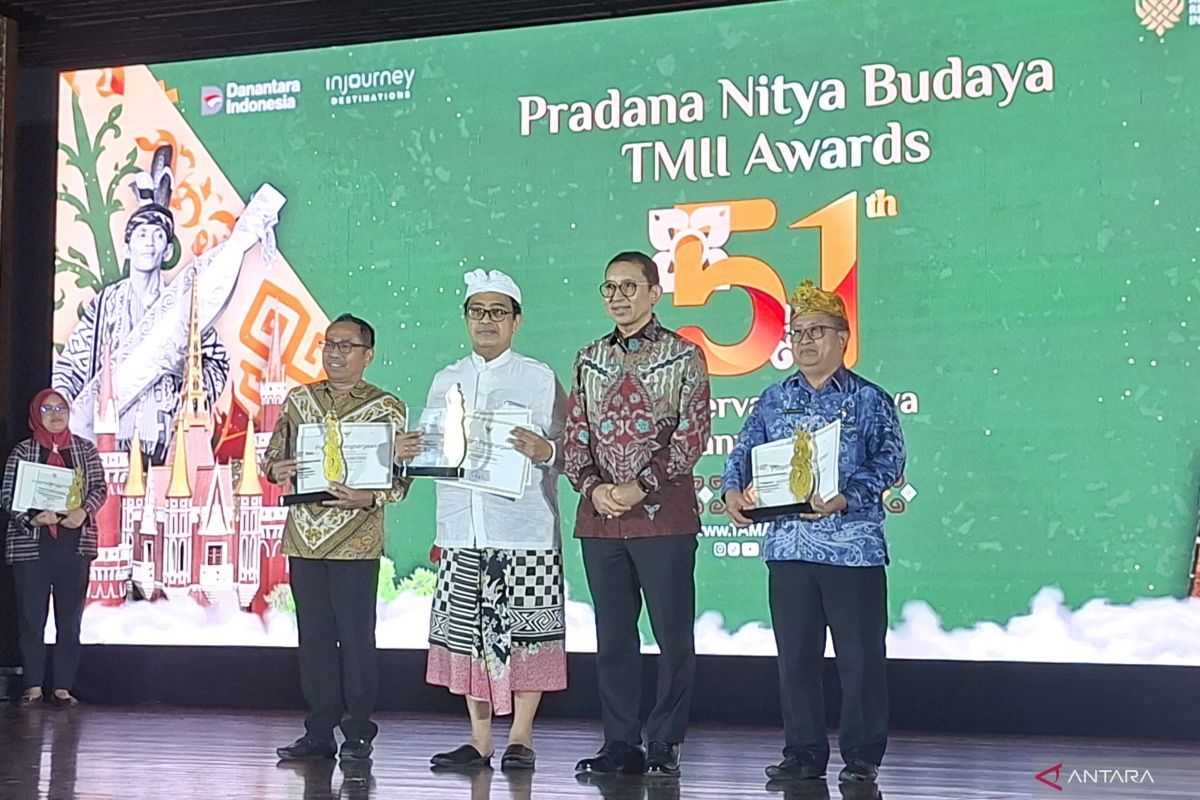
Jakarta (ANTARA) - Culture Minister Fadli Zon believes that Taman Mini Indonesia Indah (TMII) needs to be reintroduced to the younger generation through approaches that are more relevant to contemporary developments. “There needs to be a reintroduction, perhaps through pop culture to remain relevant to today’s youth,” Fadli said at the Pradana Nitya Budaya TMII Awards 2026 event at TMII in East Jakarta on Friday. This effort is considered important so that TMII is not just a nostalgic destination but also a vibrant creative space that appeals to the new generation. According to Fadli, previous generations had an emotional connection to TMII because they once made it their primary destination for education and recreation. However, this is different from the current younger generation, who tend to require new approaches to getting to know and love their culture. Fadli explained that strengthening TMII’s concept can be done through various strategies, such as presenting modern culture-based activities, cross-art collaborations, and the use of digital technology. With this approach, TMII is expected to reach the younger generation who are more familiar with current trends. Fadli also stressed that TMII holds a strategic position as a showcase of Indonesia’s cultural diversity. In his view, the area represents the richness of the archipelago’s culture in miniature form, encompassing traditional houses, regional pavilions, museums, and various cultural activities. “If tourists or people from other regions want to see Indonesia in a short time, they can come here. Our diversity or mega diversity is here in miniature form,” Fadli explained. Therefore, the existence of the pavilions is very important as the face of each region’s culture at the national and international levels. On that occasion, Fadli also highlighted the importance of more active promotion, not only by TMII’s management but also by regional governments. He encouraged each region to use its pavilion as an effective cultural promotion medium. “If people haven’t had the chance to visit the region, just look at Taman Mini. The miniature is already here,” he said. Fadli also appreciated several regions that have been deemed successful in managing their pavilions well. This year’s best pavilion was won by South Kalimantan, followed by Bali in second place and Central Java in third. In addition, there were 13 other nominations that were assessed to have significant attention to pavilion management. Fadli believes that regional governments’ attention to the pavilions at TMII is very important. This is because the area is visited by people from various regions, even foreign tourists, making it a great potential medium for effective cultural promotion. “It would be a loss if not managed well, because this is seen by all of Indonesia. People who want to know about a region will definitely visit that pavilion,” he said. Moving forward, Fadli hopes that each pavilion can be more active by presenting a variety of scheduled cultural activities through an annual events calendar. In this way, TMII will not only be a place to see cultural miniatures but also an interactive space that displays the dynamics of regional culture directly. This rebranding and strengthening of cultural activities at TMII is considered key to maintaining the sustainability of national cultural preservation amid increasingly strong globalisation.