
Fadli Zon Opens Indonesian Keris Museum at TMII to Preserve Culture
The keris is an expression of culture that enriches Indonesia’s heritage as a country with “cultural mega-diversity”. Its diversity should not be viewed solely through the lens of weapons, heirlooms or mystical objects.
Culture Minister Fadli Zon said the keris is a cultural inheritance reflecting artistic expression, traditional knowledge, history, technology and the values of society.
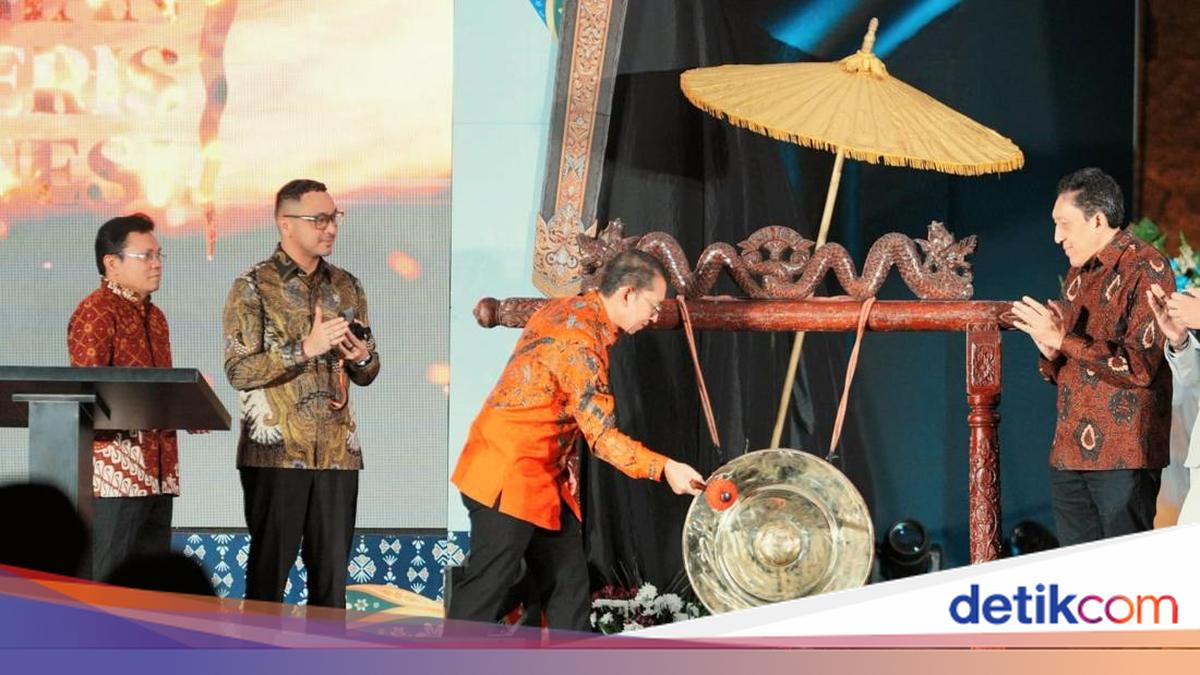
Speaking at the inauguration of the Indonesian Keris Museum at Taman Mini Indonesia Indah (TMII) in Jakarta on Friday (16 October), Fadli said the museum’s revitalisation was part of President Prabowo Subianto’s directive.
“We hope these museums can become centres of education, culture and information, as well as cultural enclaves. We also hope they will foster a cultural economy that strengthens the nation’s identity,” Fadli said in a statement on Saturday (17 October 2026).
He stressed that museum revitalisation involves more than improving buildings and facilities. It also requires stronger governance, curation and research, digitisation, the development of narratives, and wider public access to knowledge.
The inauguration of the Indonesian Keris Museum represents a concrete effort to preserve the nation’s cultural heritage, including its history and values. The keris was recognised by UNESCO in 2005 and entered on the Representative List of the Intangible Cultural Heritage of Humanity in 2008. That recognition, Fadli said, brings a responsibility to ensure that knowledge, skills and traditions associated with the keris are preserved and passed on to future generations.
Fadli thanked all those who contributed to and collaborated on the museum’s revitalisation. The change of name from the Heritage Museum to the Indonesian Keris Museum was initiated to reinforce the keris’s identity as part of UNESCO’s intangible cultural heritage.
He said the new name carried significant meaning, clarifying the museum’s identity and supporting its development. The change is expected to be reflected in collection management, the exhibition storyline, curatorial narratives and educational programmes that offer visitors—particularly young people—new experiences.
The Indonesian Keris Museum holds 6,021 objects, including kerises, spears, swords and some ceramics. The collection illustrates the diversity of keris traditions across the archipelago. The keris is not confined to Java: it is also widespread in Sumatra, Bali, Lombok, Sumbawa, Sulawesi, Kalimantan and eastern Indonesia. Keris traditions have also developed in Malaysia, Singapore, Brunei Darussalam and the Philippines.
Fadli said the keris carries profound meaning beyond the form of its blade, the variety of its pamor patterns and its aesthetic beauty. It embodies philosophy, knowledge and the skills of empu (master bladesmiths), passed down from generation to generation.
He added that the importance of the keris as national heritage had also been underlined by the designation of 19 April as National Keris Day. Established last year, the annual observance is intended to promote recognition and appreciation of the keris as part of the nation’s identity and cultural heritage.
Restu Gunawan, Director General for Cultural and Traditional Heritage Protection at the Ministry of Culture, explained that the name change was part of a sharper institutional identity and management focus. The keris would be the museum’s main subject, presented through its collection and information, giving the museum a clearer character and enabling it to communicate its educational message more effectively to visitors.
Restu thanked the management of Taman Mini Indonesia Indah, empu and the keris community. He said he hoped the museum would continue to develop as a professionally managed institution, open to collaboration and able to make a tangible contribution to protecting and advancing Indonesian culture.
The museum’s revitalisation and reopening under its new name are expected to support continued collaboration among government bodies, educational institutions, communities, businesses and the public. With sound management and sustained cooperation, it could deliver broader benefits for education, culture and society.
Source: jawawa.id (https://jawawa.id/newsitem/fadli-zon-opens-indonesian-keris-museum-at-tmii-to-preserve-culture-1792205434)
Originally published by detikcom (https://news.detik.com/berita/d-8711049/lestarikan-budaya-fadli-zon-resmikan-museum-keris-indonesia-di-tmii), translated from Indonesian