
Fadli Zon Meets UNESCO Executive Board President to Discuss Cultural Funding
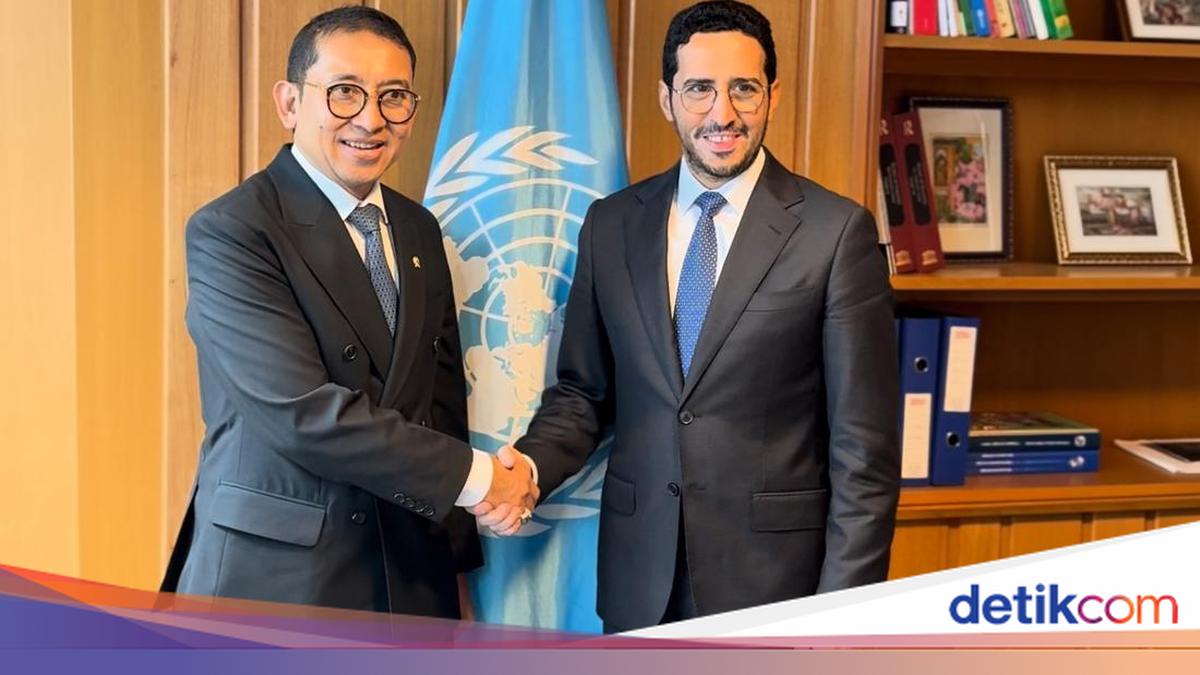
Indonesia’s Culture Minister Fadli Zon met UNESCO Executive Board President Dr Nasser bin Hamad Al Hinzab on the sidelines of the board’s 225th session in Paris, France.
The meeting focused on strengthening Indonesia’s role at UNESCO. The two officials also discussed improving the organisation’s governance and developing new, sustainable funding models.
Indonesia is currently a member of the Executive Board for the 2023–2027 term. The 58-member board oversees UNESCO’s programmes and the implementation of its policies.
Fadli Zon reaffirmed Indonesia’s commitment to taking a more active and substantive role. He said the country aimed to bring the perspectives of South-East Asia and countries that have been under-represented in global discussions.
“Indonesia wants to contribute ideas, experience and good practice more actively to UNESCO. We also want to ensure that countries of the Global South have a stronger voice in global discussions on education, science and culture,” Fadli Zon said in a written statement on Friday (9 October 2026).
Al Hinzab welcomed the commitment, saying Indonesia’s active participation was important. He highlighted three key priorities for UNESCO: raising the visibility of its mandate, improving transparency, and securing new sources of funding.
“UNESCO needs countries such as Indonesia to play a more active role on the Executive Board. We need to raise the visibility of UNESCO’s mandate, improve governance and transparency, and find new funding instruments so that UNESCO programmes can be delivered sustainably,” Al Hinzab said.
The two sides also discussed UNESCO’s strategy for expanding funding partnerships beyond contributions from member states. The Executive Board president cited potential collaboration with the Qatar Fund and the exploration of new financing models with various partners.
Fadli Zon stressed the importance of creating more opportunities for the private sector, corporations and philanthropic organisations. He shared Indonesia’s experience of establishing a Board of Patrons to involve external parties in revitalising cultural sites.
“We need more innovative funding models. The government cannot do this alone. The private sector, corporations and philanthropy need to be involved to strengthen the sustainability of cultural programmes,” Fadli Zon said.
“Indonesia’s experience shows that these partnerships can be an important resource for the revitalisation and protection of cultural sites,” he added.
The two officials also exchanged views on mechanisms to protect cultural heritage. Fadli Zon called for the nomination process for Intangible Cultural Heritage to be strengthened, saying UNESCO recognition could serve as an instrument of peace diplomacy.
Al Hinzab also underlined the importance of effective engagement among member states during evaluation processes, including the involvement of experts whose expertise is appropriate to the characteristics of the sites and cultural heritage being assessed.
Fadli Zon invited Al Hinzab to visit Indonesia to see the country’s cultural ecosystem at first hand, from World Heritage Sites and Biosphere Reserves to Creative Cities.
The meeting comes as Indonesia strengthens national coordination through Presidential Regulation No. 31 of 2026 on the Indonesian National Commission for UNESCO (KNIU). The Culture Minister now serves as its chair.
“Indonesia is ready to be a more active, constructive and responsible partner on the Executive Board and across UNESCO as a whole. We want to ensure UNESCO remains relevant and inclusive, and has the capacity to fulfil its mandate amid increasingly complex global challenges,” Fadli Zon said.
Source: jawawa.id (https://jawawa.id/newsitem/fadli-zon-meets-unesco-executive-board-president-to-discuss-cultural-funding-1791535913)
Originally published by detikcom (https://news.detik.com/berita/d-8699610/fadli-zon-temui-ketua-dewan-eksekutif-unesco-bahas-dana-budaya), translated from Indonesian