
Fadli Zon Highlights Sheikh Yusuf al-Makassari, the Only National Hero Recognised in Two Countries
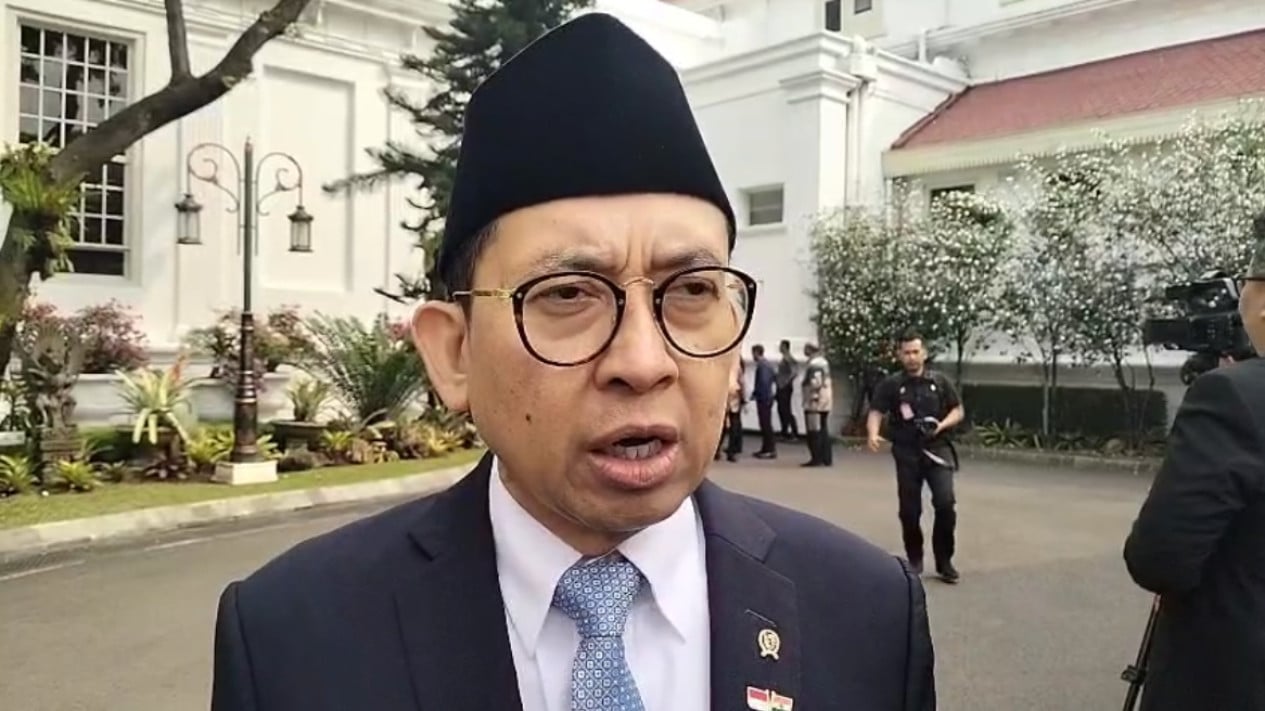
Culture Minister Fadli Zon said Sheikh Yusuf al-Makassari was the only Indonesian national hero also recognised as a hero in another country.
“Syekh Yusuf may be the only one of our national heroes who, in addition to being recognised as a hero in the Republic of Indonesia, is also recognised as a hero in South Africa,” the Culture Minister said in a statement received in Jakarta on Tuesday, 10 November 2026.
He said Sheikh Yusuf was both a fighter and a religious scholar who struggled through armed resistance, thought, ideas and spirituality. The legacy of his struggle remains alive and continues to be discussed.
Fadli added that recognition across national borders demonstrated the far-reaching influence of Sheikh Yusuf’s struggle and thought in world history.
“Syekh Yusuf’s struggle is a great inspiration not only to the people of Indonesia, but also to people in South Africa and Sri Lanka. He showed that struggle is not confined by borders. The values of struggle, learning and spirituality that he bequeathed remain alive today,” he said.
The Culture Minister also said Sheikh Yusuf left behind a valuable intellectual legacy. A total of 52 works, including books and other writings, attest to the breadth of his thought and depth of scholarship.
As part of efforts to preserve and disseminate this intellectual heritage, the Ministry of Culture is preparing to publish 23 of Sheikh Yusuf’s works, with publication planned for December 2026.
“We have 52 works by Syekh Yusuf, and 23 of them will soon be published. We hope these works will help introduce his thought more widely and inspire present and future generations,” he said.
Sheikh Yusuf al-Makassari was born in 1626 in Gowa, South Sulawesi. During his struggle, he became known not only as a leading Islamic scholar from Makassar but also for his important role in the Sultanate of Banten.
He was the Sultanate of Banten’s grand mufti and fought alongside Sultan Ageng Tirtayasa against the Dutch East India Company (VOC), including through armed resistance.
Because of his opposition to colonial rule, Sheikh Yusuf was exiled to several places, including Cirebon, Batavia, Sri Lanka and Cape Town in South Africa. He died in 1699. His exile did not bring his struggle to an end.
In Sri Lanka, Sheikh Yusuf continued his work and built a community of people from the Indonesian archipelago. In Cape Town, he became a spiritual leader with many disciples and had a major influence on the development of Islam and the formation of Cape Malay identity in South Africa.
Source: jawawa.id (https://jawawa.id/newsitem/fadli-zon-highlights-sheikh-yusuf-al-makassari-the-only-national-hero-recognised-in-two-countries-1794333043)
Originally published by VIVA.co.id (https://www.viva.co.id/berita/nasional/1942621-fadli-zon-ungkap-sosok-syekh-yusuf-al-makassari-satu-satunya-pahlawan-nasional-yang-juga-diakui-di-2-negara), translated from Indonesian