
Fadli: Jepara woodcarving has high artistic and economic value
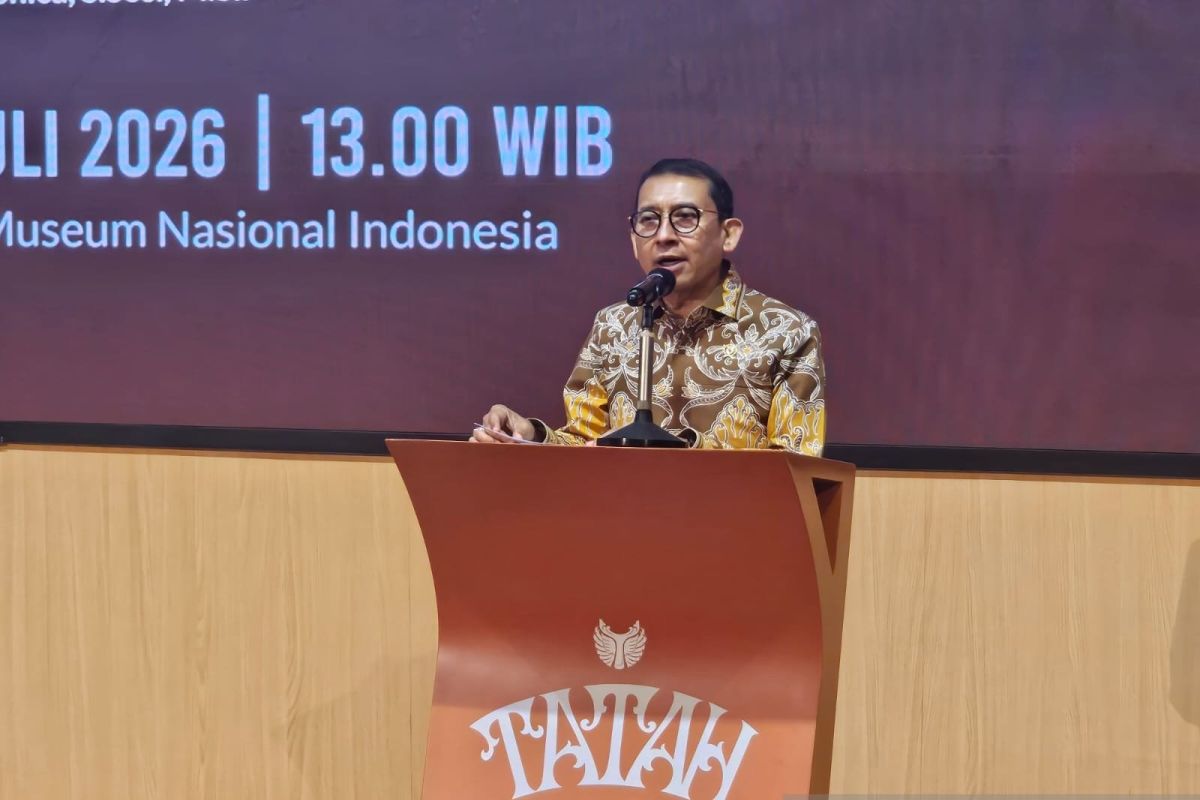
Minister of Culture Fadli Zon has stated that Jepara woodcarving is a cultural heritage with immense artistic and creative economic value. He noted that the work of Jepara carvers is widely recognised internationally and has become part of the global creative industry. “Jepara woodcarving not only has economic value, but is also a high artistic achievement as an expression of Indonesian culture,” he said in Jakarta on Friday.
Fadli assessed that the presence of the book Rekonstruksi Jepara Melalui Seni Ukir (Reconstructing Jepara Through Woodcarving) is a strategic step to strengthen literacy regarding the history and development of Jepara woodcarving. According to him, the book not only documents the journey of the art form but also offers a new perspective on Jepara’s future as a world centre for woodcarving. Therefore, the Ministry of Culture is encouraging various preservation programmes, such as training with master craftsmen, the development of carving schools and workshops, and capacity building for the younger generation to ensure the skills are passed on.
“This book is an intellectual endeavour to record the historical journey of Jepara woodcarving while strengthening efforts for its preservation, development, and utilisation,” he said. Fadli also affirmed that the government will continue to pursue recognition of Jepara woodcarving as a UNESCO Intangible Cultural Heritage, while strengthening safeguarding mechanisms to ensure the tradition endures.
Jepara Regent Witiarso Utomo stated that the book launch is part of efforts to introduce the history of woodcarving to the younger generation so they do not lose their regional cultural identity. Meanwhile, public enthusiasm for the TATAH exhibition has been notably high, with the exhibition recording over 53,000 visitors by early July 2026. One of the book’s authors, Arif Akhyat, explained that the publication offers a new approach to reading Jepara’s history. Woodcarving is understood not only as an aesthetic work but also as a result of historical journeys, social dynamics, trade relations, and cultural strategies that have shaped Jepara’s identity over centuries. He mentioned that the historical reconstruction was carried out through the study of various artefacts, archives, and cultural relics that have not been widely examined in national historiography. TATAH Director Veronica Rompies said the book is not the end of the effort to understand Jepara, but rather the starting point for broader discussions on woodcarving, history, and the lives of the carvers. She expressed hope that the ideas emerging from the book and discussion forums could develop into research, policies, and concrete steps to strengthen the Jepara woodcarving ecosystem.